


SpaceX intends to conduct the fourteenth test flight of Starship before the end of August 2026 and attempt to catch the upper stage on land. The company plans for the spacecraft to circle Earth once before returning to Starbase, where mechanical arms on the launch tower will attempt to catch it in mid-air.
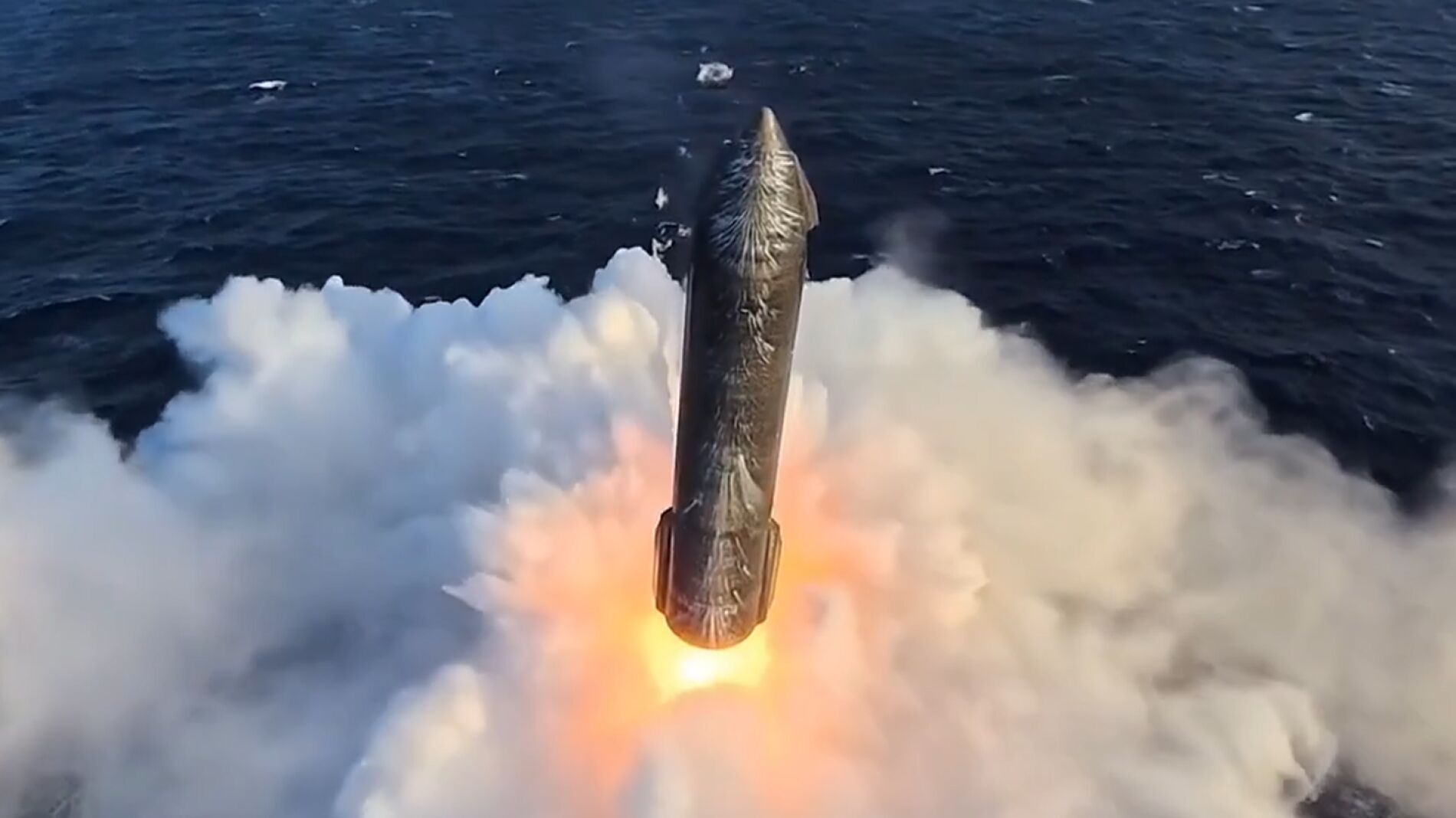
Elon Musk confirmed the launch goals during SpaceX's quarterly earnings presentation. According to Reuters, Musk emphasized that the launch date and recovery attempt remain dependent on approval from regulatory authorities in the United States. Musk said that preparations look very good and that the company will attempt the tower catch on the upcoming flight, provisionally scheduled for late August, if authorization is granted.
The recovery attempt will focus strictly on the 52-meter upper stage, known as Starship or Ship. The Super Heavy booster will not return to the launch tower during this mission and will instead splash down in the Gulf of Mexico. SpaceX has previously caught three Super Heavy boosters with the tower arms, but has never attempted to catch the upper stage.
Flight 13 performance and thermal shield
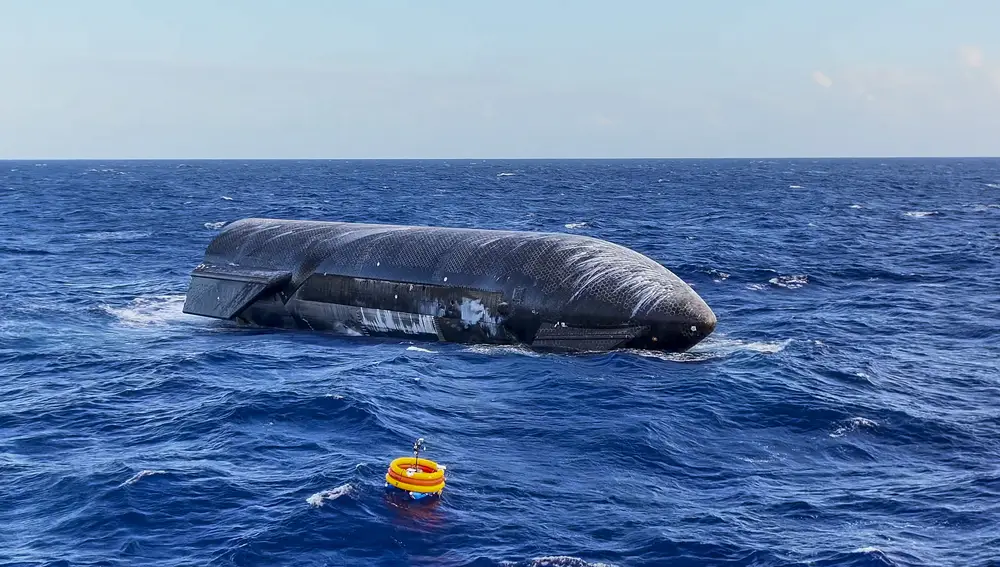
SpaceX's confidence in the upcoming attempt builds on the results of flight 13, which launched on July 24 from Starbase. During that test, the upper stage completed its suborbital trajectory and executed a soft splashdown in the Indian Ocean off the coast of Western Australia. The spacecraft remained intact without breaking or exploding upon hitting the water.
The heat shield also survived atmospheric descent in good condition, resolving a major technical difficulty experienced during earlier flights. Musk said he did not want to jinx the progress, but stated that he considers the heat shield issue resolved at this point, though future missions will need to confirm the results.
The spacecraft from flight 13 remained floating intact in the ocean after landing. Musk expressed plans to recover the vehicle, and satellite images published on Wednesday showed a ship towing the spacecraft toward Australia. Engineers will examine the vehicle to evaluate how its structure and thermal protection tiles handled the extreme conditions of re-entry.
Starlink V3 payload and launch frequency goals
Flight 14 will also attempt to deploy Starlink V3 satellites into an operational orbit for the first time. The previous test flight carried 20 units of the new satellite generation, but those were released on a suborbital path and were not intended to remain in Earth orbit.
Musk also outlined plans to rapidly increase the Starship flight schedule toward a daily operational pace. He said SpaceX expects the launch rate to accelerate quickly, predicting that the company could achieve at least one launch per day within a year. Capturing the upper stage on land represents SpaceX's first attempt at ground recovery for Starship as it works toward high-frequency launches.


