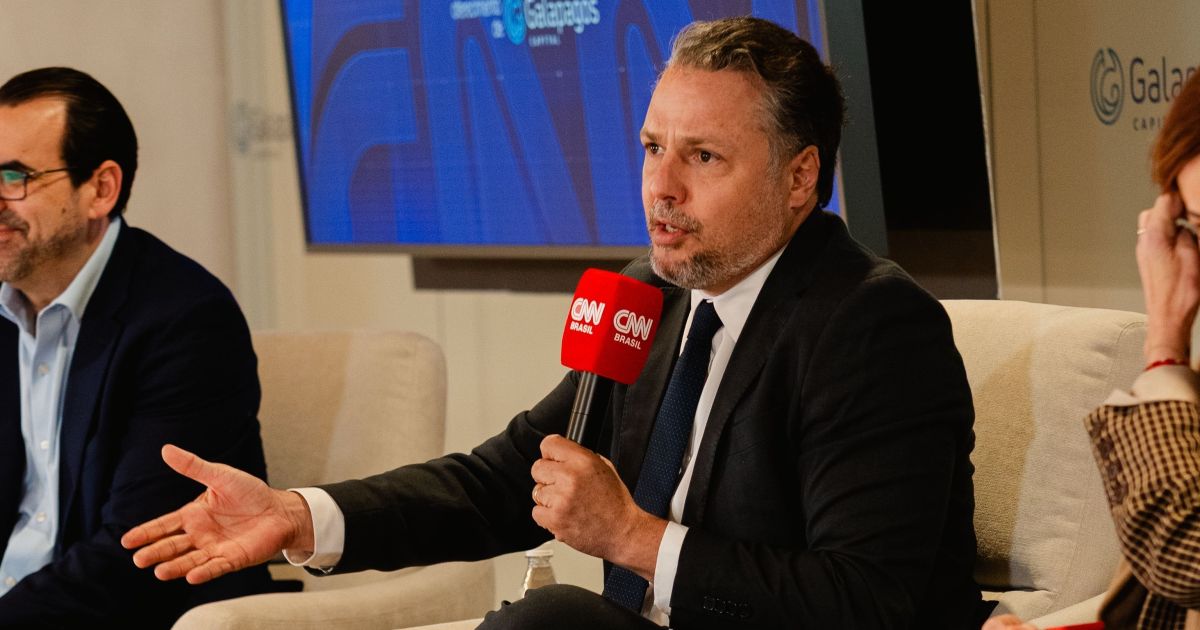
Silvio Cascione, the Brazil director at political risk consultancy Eurasia Group, said a judicial reform involving Brazil's Supreme Federal Court has become inevitable, CNN Brasil reported from São Paulo.
Speaking on Wednesday, 16 September at the fifth edition of the WW Talks series, the political scientist said the only remaining question is who will lead the overhaul of the court, which is known in Brazil by its Portuguese initials STF.
Cascione assessed that in its current state, the Supreme Federal Court is heading towards becoming a dysfunctional court as a result of internal division. The Wednesday episode examined the impact of the crisis surrounding the court on the elections.
Push for Supreme Federal Court reform in Brazil
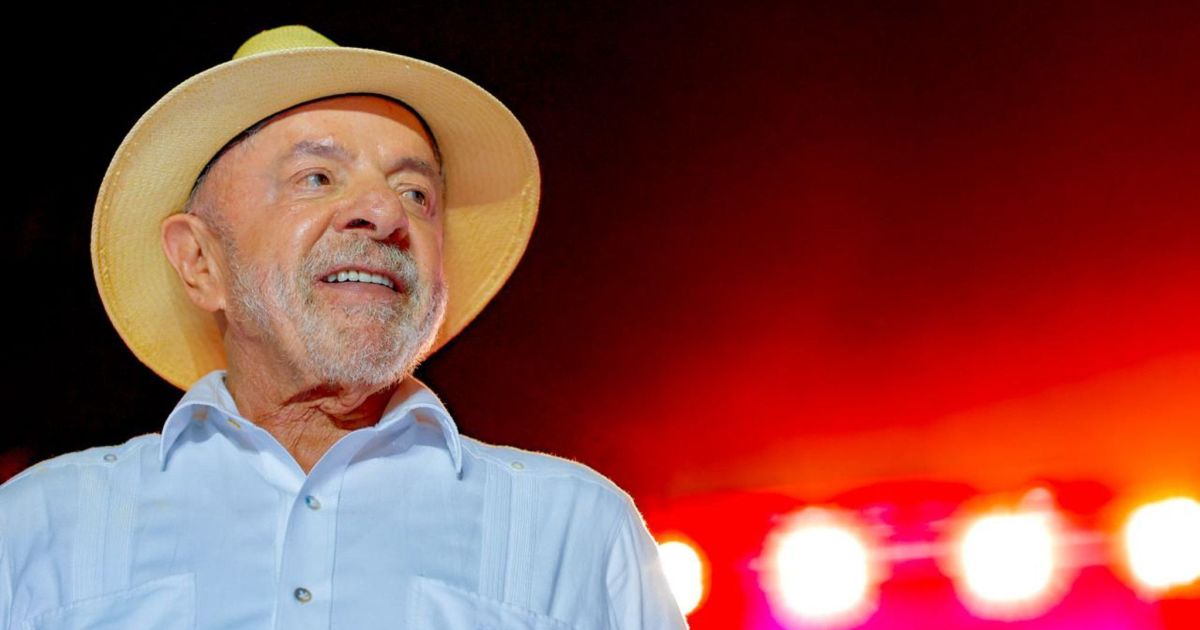
According to Cascione, it is no coincidence that Brazilian President Luiz Inácio Lula da Silva has been speaking increasingly about reforming the judiciary. The political scientist added that Supreme Federal Court Justice Flávio Dino himself has also been placing the issue on the agenda.
Based in Brasília, the 11-member Supreme Federal Court serves as Brazil's highest court and final arbiter on constitutional matters, with justices appointed by the president and confirmed by the Federal Senate. Lula is serving his third non-consecutive term as president after returning to office in January 2023, while Dino, a former justice minister in Lula's cabinet and former governor of Maranhão state, joined the court in February 2024 following Lula's nomination.
Election impact and the WW Talks series
Alongside Cascione's remarks, CNN Brasil highlighted three related assessments of the political landscape. Analyst Caio Junqueira stated that the defining mark of the 2026 election lies between the Supreme Federal Court and public debt, while William Waack assessed that the economy and demographics work against Lula in the vote, and Thais Herédia noted that voters hear Lula as a voice from the past that does not sell the future.
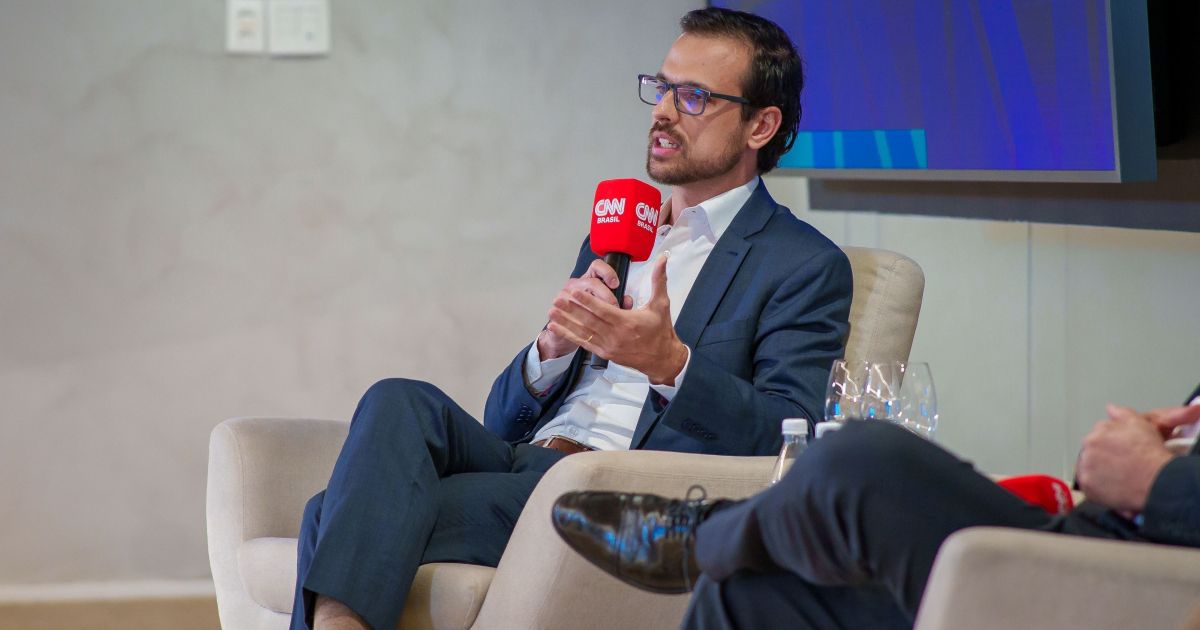
WW Talks is a monthly series of episodes organised by CNN Brasil in partnership with Brazilian investment firm Galapagos Capital and New York-based consultancy Eurasia Group. The programme aims to deepen analysis of the trends shaping Brazil and the world by bringing together different perspectives on what drives political and economic decisions by domestic and global actors, with journalist Henrique Sales Barros publishing the report on Thursday, 17 September.