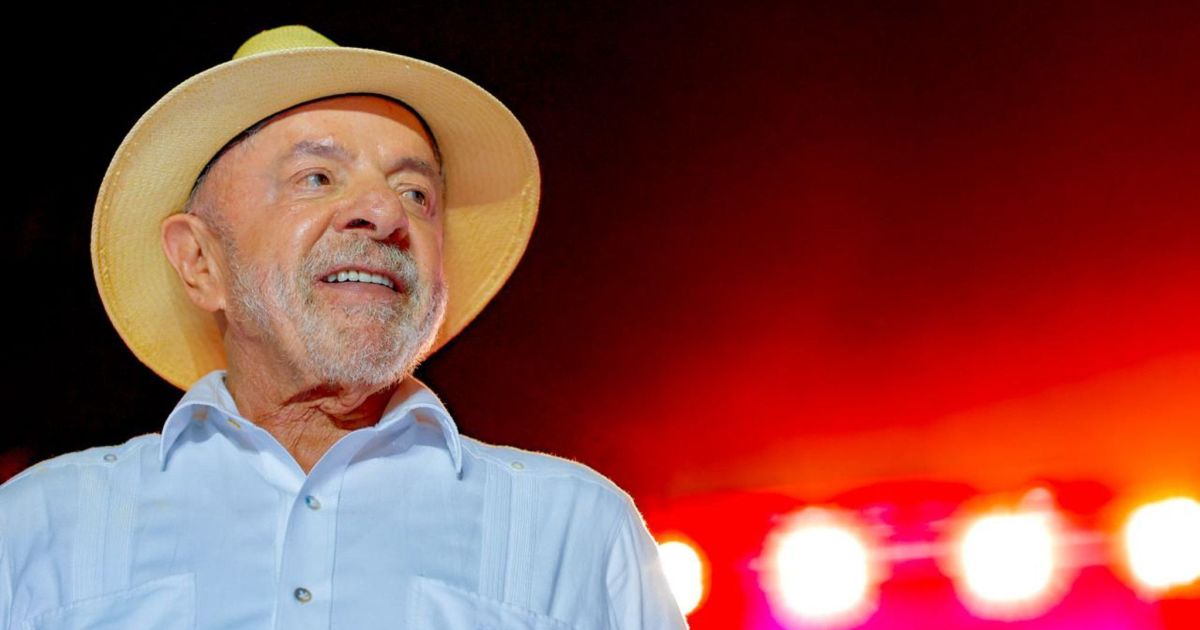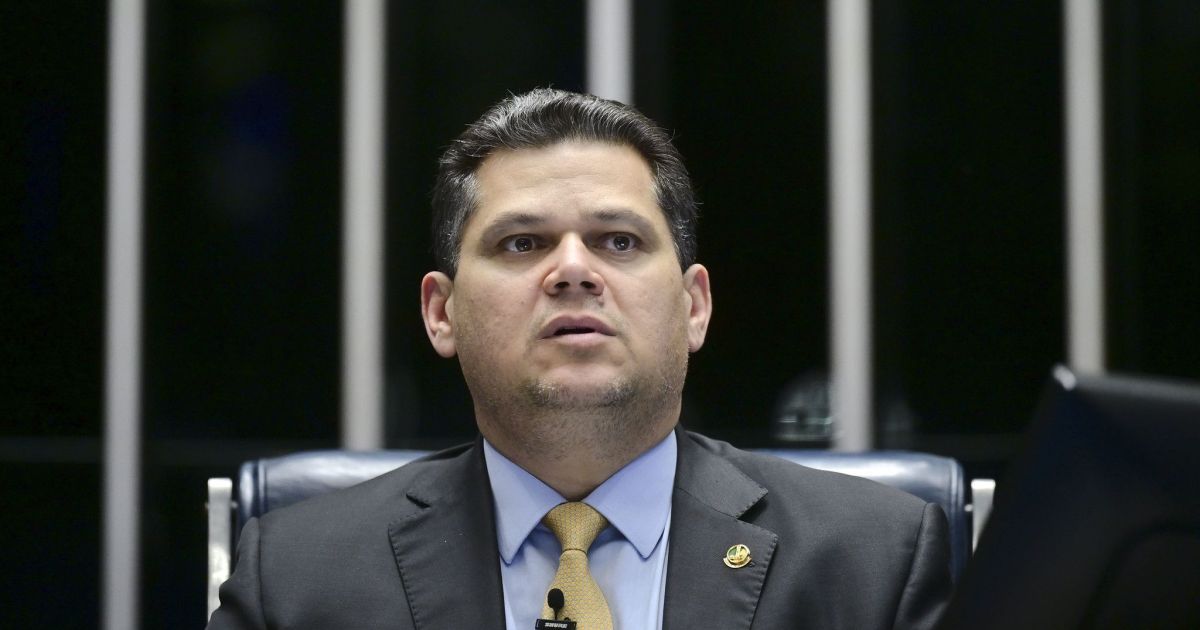


Christopher Garman, managing director for the Americas at Eurasia Group, said in São Paulo that fiscal adjustments by President Luiz Inácio Lula da Silva will shape Brazil's 2027 economy and presidential approval. According to the political risk analyst, the Workers' Party administration will need to introduce measures in the coming months to control the growth of mandatory federal spending.
Speaking on Monday, November 9, at the headquarters of Galapagos Capital in São Paulo, Garman assessed that the intensity of this fiscal correction will be decisive for the country's economic scenario next year and could influence the president's popularity. He delivered the analysis during WW Talks, an initiative organised by CNN Brasil in partnership with Galapagos Capital and Eurasia Group to discuss the outlook for Lula's fourth presidential term.
Eurasia Group is a New York-based political risk consultancy that advises institutional investors and multinational corporations on how government policies affect financial markets, while Galapagos Capital is a São Paulo-based investment management and financial advisory firm.
Constitutional reform and mandatory spending rules
According to Garman, the main policy discussion facing the government is not the possibility of immediate spending cuts, but the creation of mechanisms to control future expenditure. He asked during the forum whether the administration would make some correction to its fiscal course and said he believed the answer was yes, adding that the real question was the degree of that correction, which would focus on controlling future spending rather than cutting current outlays.
Among the alternatives is a constitutional reform to alter the rules governing mandatory government expenses. In Brazil's federal budget, mandatory spending consists of constitutionally protected outlays such as social security pensions, public sector payrolls, and minimum funding floors for health and education, which expand automatically under existing indexation rules unless lawmakers approve a constitutional amendment.
Garman said that signalling changes to the country's fiscal rules could improve investor perception. However, he noted that it is not yet defined whether a potential constitutional amendment proposal will be presented right now or only next year, adding that the decision will also depend on the next finance minister.
Inflation pressures and Central Bank interest rates
Even with steps to restrain future spending, Garman expressed concern about the possibility that the fiscal adjustment might not create the conditions needed for the Central Bank of Brazil to reduce interest rates in 2027. He stated that his worry was that after putting some course correction in place for mandatory spending, conditions still might not open up for the Central Bank to lower interest rates next year, adding that the chance of that outcome happening was high.
The Eurasia Group director cited inflationary pressures related to the El Niño weather phenomenon, the reduction of working hours, and the country's tax reform as factors that could complicate the economic scenario.
The Central Bank of Brazil sets the country's benchmark interest rate to keep consumer prices within an official inflation target framework established by the National Monetary Council. Climate patterns such as El Niño, which warms surface waters in the tropical Pacific Ocean and shifts rainfall across South America, often pressure Brazilian food and electricity prices by disrupting agricultural harvests and hydroelectric power generation.
Middle class stagnation and monetary policy risks
In that context, Garman assessed that an economic slowdown accompanied by a drop in presidential approval could increase the government's difficulties in 2027. According to him, there is a feeling of stagnation among segments of the Brazilian middle class, despite falling unemployment and rising average income in the country.
Addressing the political repercussions of slower growth, Garman commented that when the economy slows down and the president's approval rating begins to fall, his concern is how the president and the government react at that moment. He added that it is at that point that the debate over monetary policy worries him the most.
Despite those concerns, Garman noted that he does not expect, at this moment, a discussion about raising the inflation target or making deeper changes to the conduct of monetary policy. In his assessment, that risk could arise next year if economic activity loses strength and Lula's popularity retreats.
Two-stage outlook for Brazil in 2027
Summarising his analysis, Garman highlighted that the size of the fiscal adjustment carried out in the coming months will be decisive for the country's economic difficulties in 2027.
He concluded that he viewed the outlook in two stages, explaining that the size of the fiscal course correction in the coming months will dictate the scale of the economic difficulties next year, the size of the drop in gross domestic product, and the decline in the president's approval rating. Gross domestic product, or GDP, measures the total value of goods and services produced in a country and serves as the primary gauge of national economic activity.
Lula, leader of the left-wing Workers' Party, previously served two consecutive presidential terms from 2003 to 2010 before returning to the presidency in January 2023.
The WW Talks forum is a series of monthly meetings promoted by CNN Brasil in partnership with Galapagos Capital and Eurasia Group. The initiative seeks to deepen analysis of the movements shaping Brazil and the world, bringing together different perspectives on the factors that guide the political and economic decisions of national and global actors.