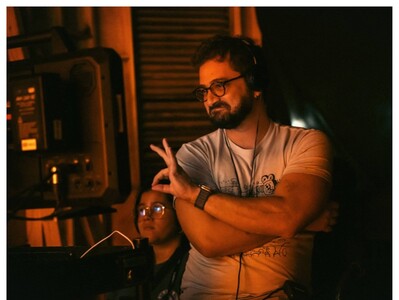
Dominican photographer Sandra Garip opened a photographic exhibition titled "A la Merced" at the Museo de la Catedral in Santo Domingo, presenting fifteen years of images documenting popular devotion to the Virgen de la Merced.
The project, sponsored by the Fundación Central Barahona, gathers photographs taken between 2011 and 2026 that capture faith expressed through gestures, rituals, promises and processions tied to the church of las Mercedes, in the Colonial City of Santo Domingo, where the devotion took root following the events of Santo Cerro.
Presenting the show, Garip said the project goes beyond documenting a religious celebration. She said it reflects on territory, identity and memory, and aims to show the resilience of a tradition of colonial origin that has transformed over time without losing its meaning, becoming part of the cultural heritage of the Dominican Republic and other countries in the region.
Garip said many of the devotees she photographed over the years now recognize her at the processions.
She thanked her son-in-law, Jaime, who together with his foundation helped drive the initiative, as well as everyone who took part in the research, the printing of the photographs and the mounting of the exhibition.
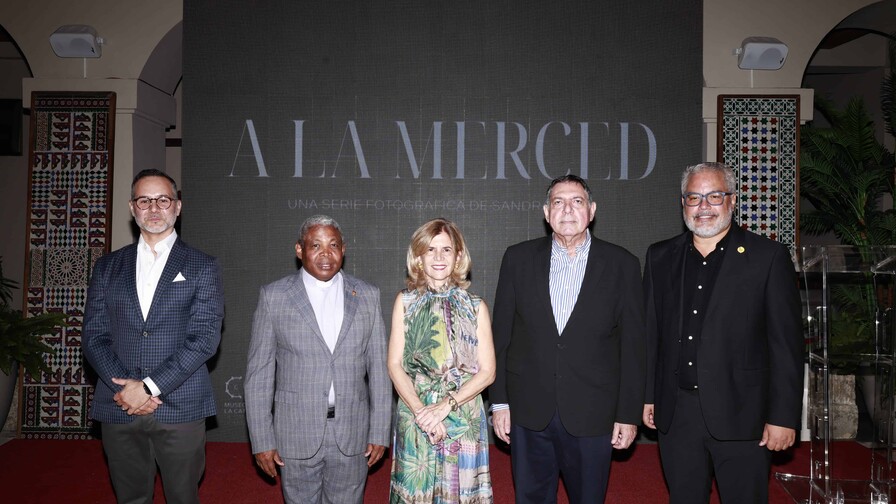
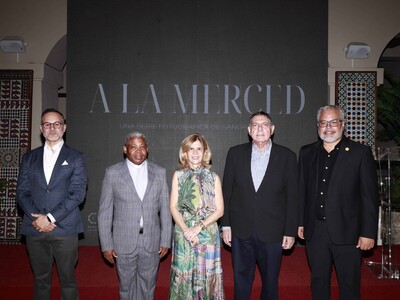
The inauguration was blessed by the priest Marcos Antonio Pérez Pérez, rector of the Universidad Católica de Barahona (Ucateba) and of Radio Íes Barahona. Also taking part were Deputy Culture Minister Gamal Michelén and José Antonio García, executive director of the Fundación Central Barahona, the project's sponsor.
An altruistic mission
García presented the foundation, the social arm of the Consorcio Azucarero Central, as the project's sponsor. He said art and culture sit among its strategic pillars alongside health, education and the environment, areas in which the foundation has worked for almost 25 years.
García recalled that from his first contact with Garip, she made clear her interest was not personal gain but that the photographs be shared and enjoyed by the public. He described that goal as "very noble," and said that although the initiative had not originally been planned by the foundation, it decided to back it with confidence.
All proceeds from the photographs will go to the Hogar de Ancianos of the Perpetuo Socorro parish in Barahona, which currently supports 50 elderly residents.
A devotion with medieval roots
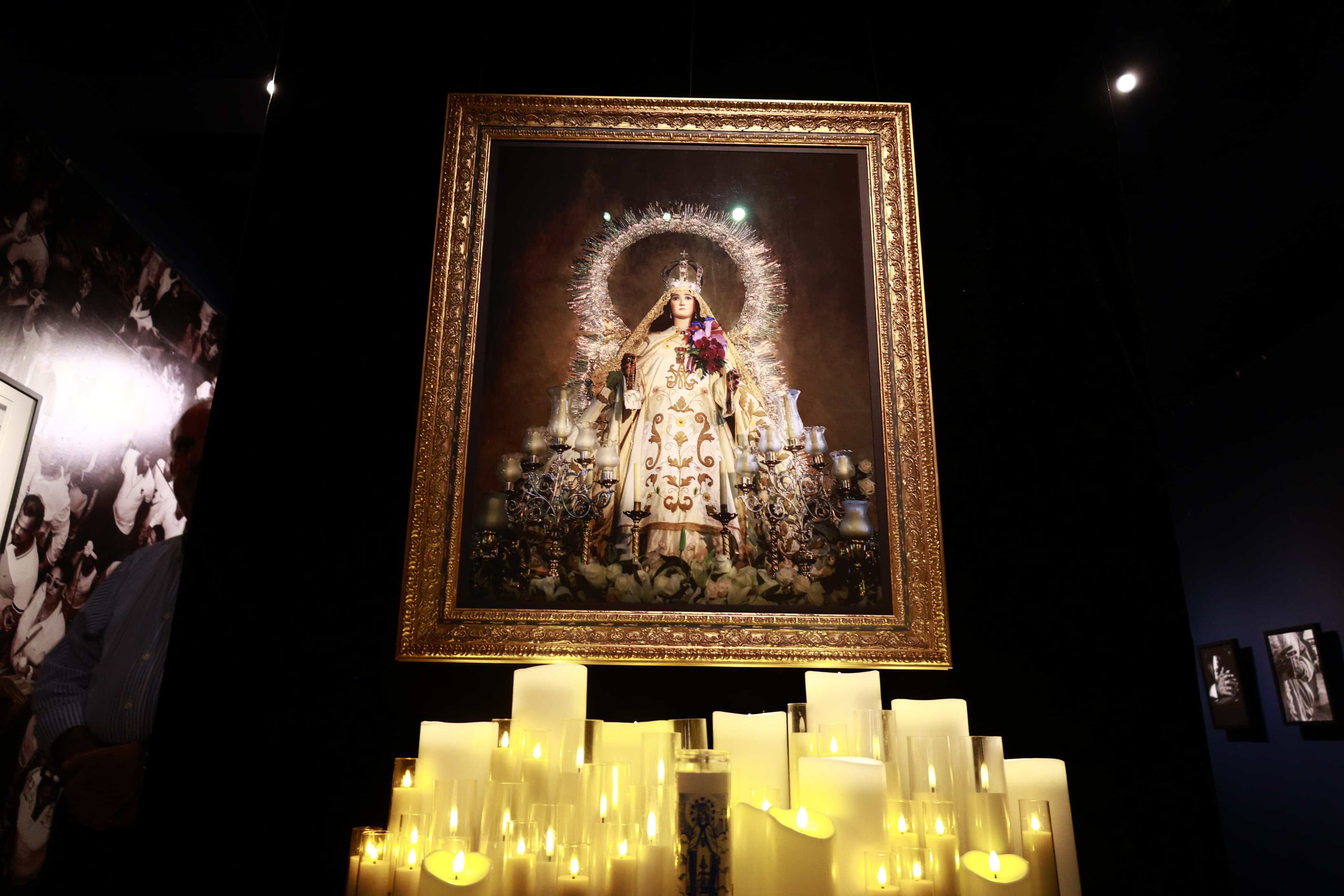
During his remarks, Michelén traced the historical origins of the devotion. He explained that the Mercedarian order was founded in 1218 by Pedro Nolasco under the invocation of the Virgen de la Merced, or of Mercy, and that its friars took a fourth vow in addition to the traditional vows of chastity, obedience and poverty: a commitment to give their own lives, or become prisoners themselves, in order to free Christians held captive by Muslim peoples. For that reason, he said, the Virgin was historically venerated as the protector of captives.
Michelén linked that origin to the arrival of the devotion on the island in 1494, brought by Mercedarian friars who accompanied Christopher Columbus. He also recalled early episodes of the colony's history, such as the destruction of the Fort of La Navidad after the deaths of the Spaniards who had remained there.
He pointed to the involvement of figures such as Anacaona and Guacanagarix, and the later founding of La Isabela by Columbus in the area of Luperón, events that, according to Michelén, form part of the same cultural and historical fabric in which this devotion is rooted.