

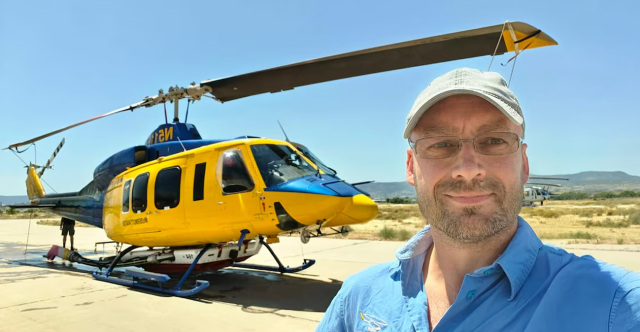
Investigations are underway into the cause of a crash between two Bell-type helicopters that were fighting fires in Western Attica, Greece. The Danish pilot and the Greek liaison officer aboard one of the aircraft died in the collision, while the British pilot and the Greek coordinator aboard the second helicopter survived. The brother of the Danish pilot has now told the story of 46-year-old Rune Kindal, who was killed while battling the fire.
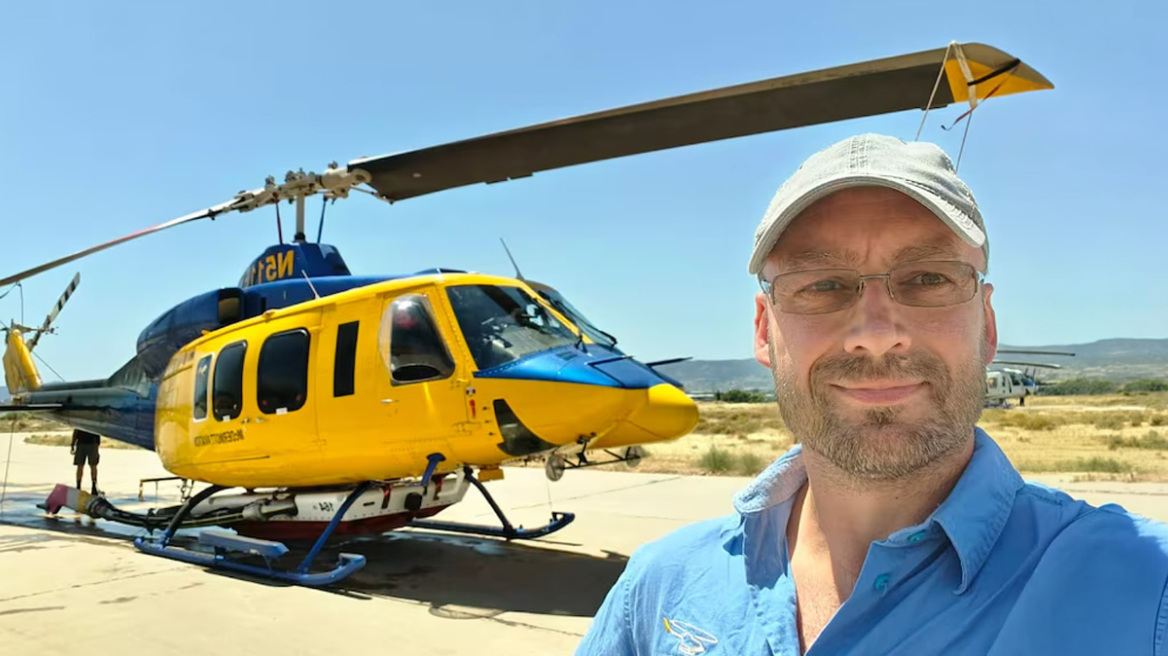
Speaking to the Danish broadcaster dr.dk, Tue Kindal said that he and his brother both fell in love with aviation after their father took them, as children, to the Tirstrup air base and to the airport at Braedstrup.
Tue, who is himself a pilot, said Rune decided that the cockpit would be his workplace. The Kindal family has three brothers in total, and all of them are third-generation pilots who flew with their father from a young age. Tue said that he and his brother had flown a great deal over the years, and that he too had flown all his life.
Both Tue and Rune went on to university. Tue studied to become a surveyor, while Rune wanted to become an engineer. The third brother, Kaare, aimed to become a surveyor like their father.
But the pull of freedom drew Rune away from his studies, and he left university to chase his dream of becoming a helicopter pilot. He later moved to Vancouver, Canada, where he worked in the timber and mining industries, according to Tue.
Two decades fighting fires from the cockpit
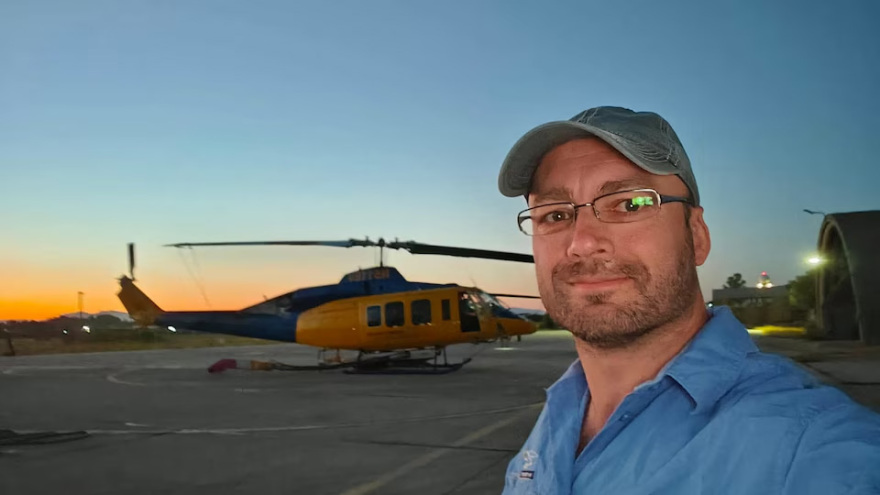
Rune spent the last 20 years of his life working as a helicopter pilot. According to his brother, he dedicated his career to firefighting missions. He had settled in Terrace, in British Columbia, Canada.
Earlier in his career he worked in heliskiing, an activity in which skiers are flown by helicopter to mountain summits so they can ski off-piste down untouched snow. He stopped doing that work, Tue said, because it was too dangerous.
Instead, he turned to aerial firefighting, a job that let him alternate a month of work with a month off. Tue said his brother genuinely believed that firefighting flights were very safe.
A photo sent the day before the crash
The outcome, in the end, was fatal. The two helicopters collided, and Rune lost his life along with the Greek coordinator on board. Tue had spoken with his brother the day before the accident, and Rune had sent him a photograph of the helicopter he was about to fly.
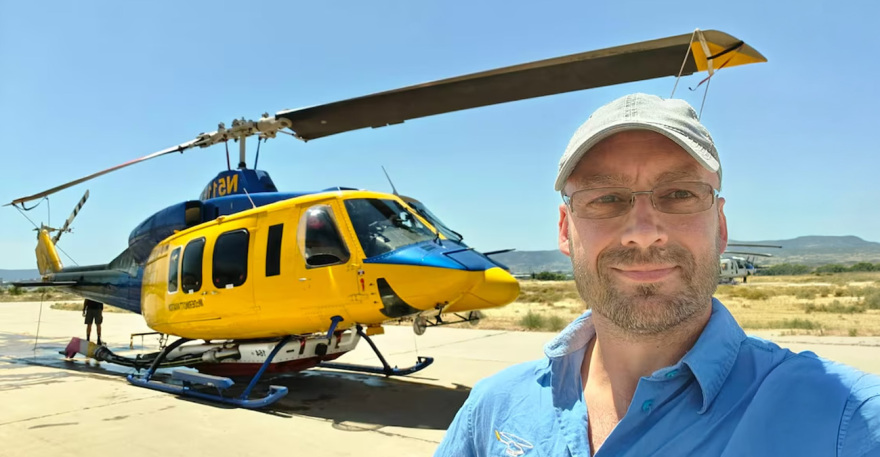
Tue said Rune had been very proud to be piloting that particular aircraft, a slightly bigger and slightly more powerful helicopter than he was used to.
According to his brother, Rune was an extremely capable and widely respected helicopter pilot. He drew on the knowledge he had gained during his engineering studies to invent new methods of flying helicopters.
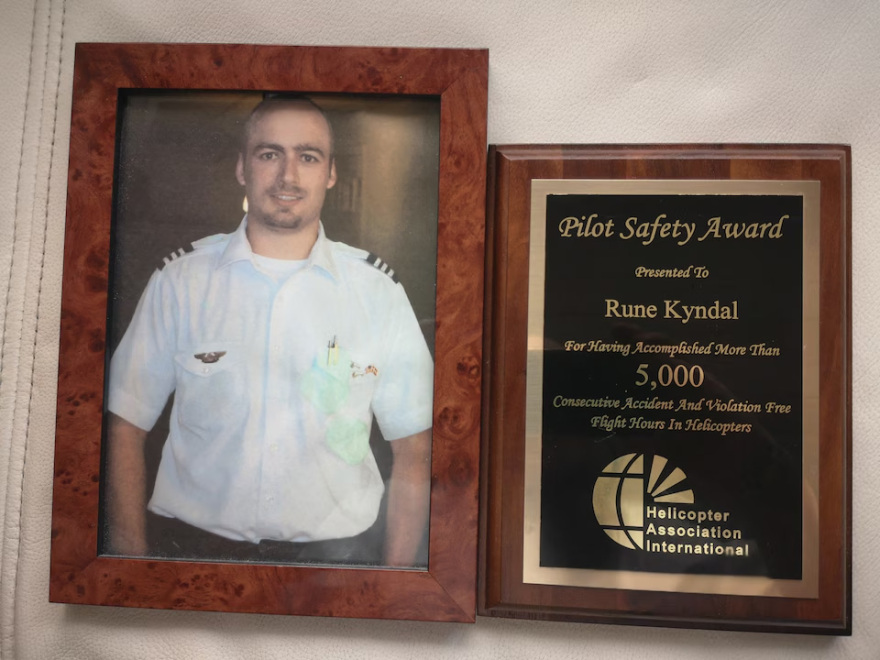
Tue said that when Rune reached 5,000 flight hours, he received an award from the Canadian aviation authority, given to any pilot who has logged 5,000 helicopter flight hours without an accident. Rune gave that award to their mother, and it now sits on a shelf above the fireplace in the family home.
Family arranging repatriation
The family is now in contact with the authorities in Denmark and Greece to arrange the repatriation of Rune's body. He leaves behind a close friend in the city of Terrace, Canada. The woman has two young children who, according to his brother, were a significant part of Rune's life.


