Peruvian political scientist and analyst Paula Távara has urged democratic forces in Peru to process their political grief following recent election losses and rebuild opposition efforts ahead of regional and municipal elections scheduled for October 2026.
Writing in an opinion piece for 247 News Agency after weeks of necessary silence, Távara stated that the election outcome marked the collapse of the political firewall that Peruvian democrats had built over decades to keep authoritarian forces from taking direct control of state institutions.
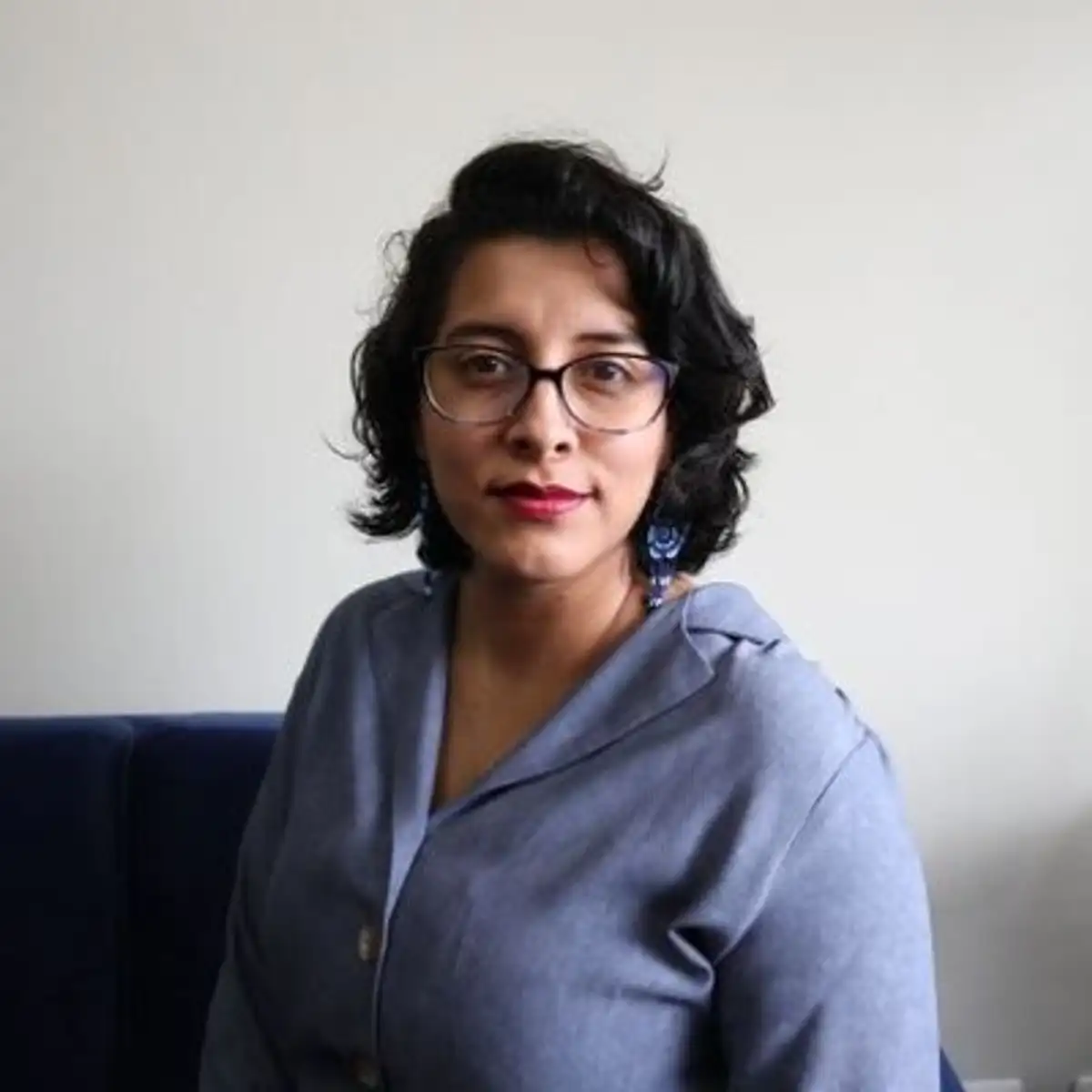
Távara, who holds master's degrees in public policy and political leadership, explained that while accepting defeat is a fundamental rule of democracy, doing so remains deeply painful. She recalled voting at six years old against Peru's 1992 Constitution on a hand-drawn paper ballot created by her mother, adding that many of her fellow citizens shared a similar sense of emotional loss after the recent ballot counting concluded.
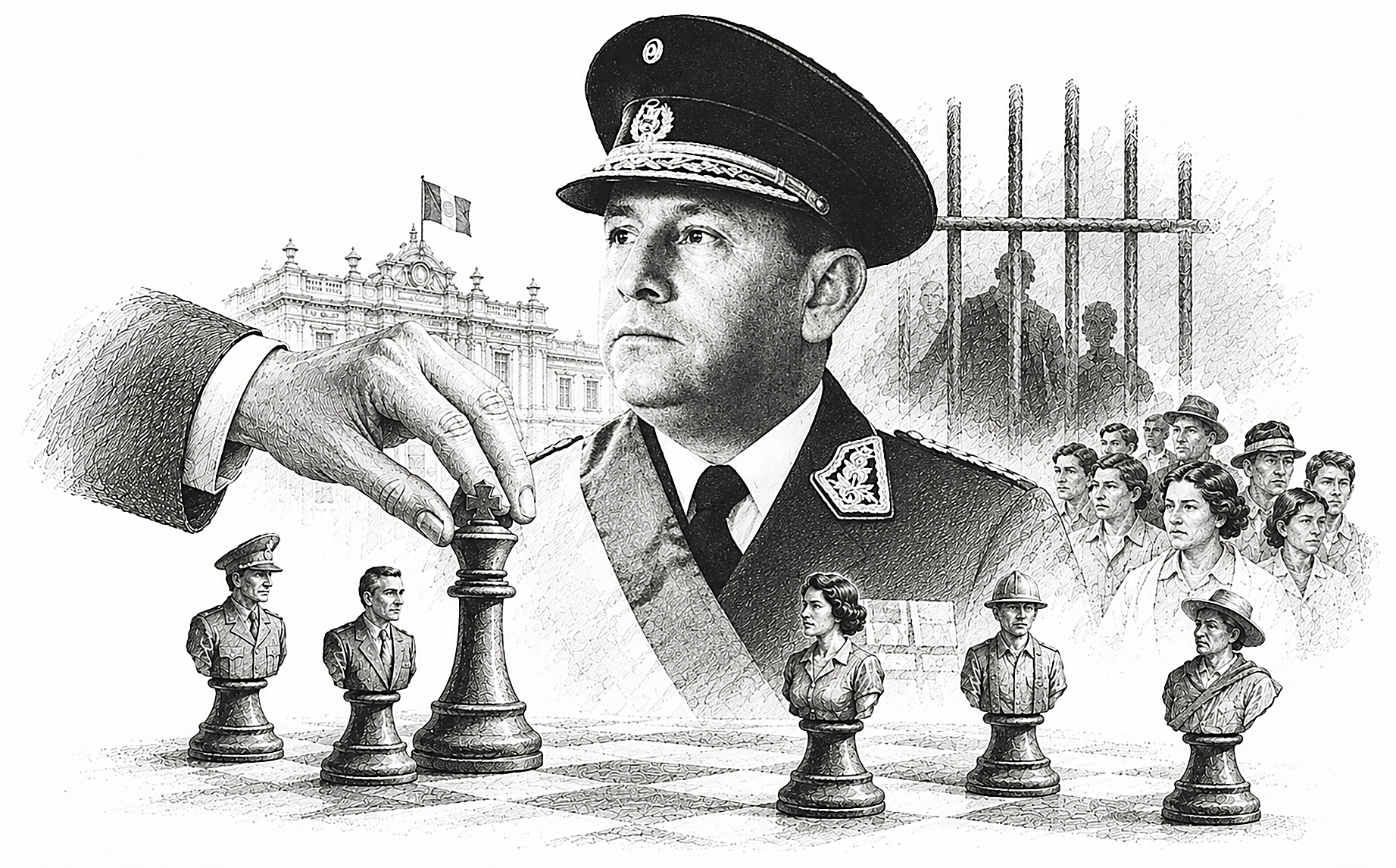
Peru adopted its 1992 Constitution under former president Alberto Fujimori after he dissolved Congress and seized executive control in a self-coup. For decades, Peruvian center and left-leaning political groups attempted to maintain a cordon sanitaire, or political containment line, to prevent populist and authoritarian movements from gaining complete authority over national governance.
Applying the Five Stages of Grief
To analyze the post-election landscape, Távara drew on the five stages of grief framework introduced by Swiss-American psychiatrist Elisabeth Kübler-Ross. She identified the initial phase as shock and denial, noting that while her own data analysis after the first round indicated a tough contest, the formation of a broad opposition coalition raised temporary hope among voters.
She recounted how a colleague spent days reviewing election tally sheets and making optimistic calculations, which he referred to as mathematically possible, before the reality of the defeat set in. She noted that witnessing his pain felt like sharing her own.
The second stage, anger and frustration, brought forward difficult questions regarding civic responsibility. Távara asked what democratic citizens would answer when asked where they were when authoritarian groups moved from exercising power in the shadows to taking front-line control of the government.
Kübler-Ross established her grief model of denial, anger, bargaining, depression, and acceptance in her 1969 book On Death and Dying. In Peruvian politics, analysts have long criticized shadow power, referring to parliamentary blocs that exert control over executive decisions through political pacts while avoiding formal public accountability.
Bargaining, Depression, and Political Shifts
Addressing the third stage, bargaining, Távara acknowledged that she saw little possibility of neutralizing the victorious political force, citing its long history of backroom deals, constitutional modifications, and political maneuvering. However, she pointed to significant shifts within the parliamentary coalition as a source of hope.
She reported that of all the political partners that sustained former president Dina Boluarte, José Jerí, and Waldemar Balcázar in power, only two managed to maintain parliamentary representation. Parties such as Alianza Por el Progreso, Avanza País, Podemos Perú, and Perú Libre faced severe electoral penalties after years of misusing state funds and enacting laws to serve personal interests.
Dina Boluarte became president of Peru in December 2022 following the impeachment and arrest of former president Pedro Castillo. Her administration relied heavily on informal congressional alliances with both right-wing and left-wing parties to survive political crises. Alianza Por el Progreso, led by politician César Acuña, and Perú Libre, the party that originally brought Castillo to power, formed core components of that ruling parliamentary alliance.
In describing the fourth stage, depression, Távara reflected on the deep sadness that followed years of defending citizen rights, opposing abuses of power, and protesting citizen deaths and authoritarian regressions. She shared that she was sustained by family affection, including a virtual embrace with a family member named Belén across physical distance, discussions with female friends, her daughter lamenting the victory of a candidate who did not represent them, and listening to the song El necio on repeat.
Acceptance and the October 2026 Elections
Moving into the final stage, acceptance, Távara stressed that authoritarian forces have not taken control of everything. She emphasized that a moderately articulated opposition is taking shape in the Peruvian Congress, where ruling parties do not possess enough votes to arbitrarily appoint members to the Constitutional Court or elect an Ombudsman of the current incumbent's caliber.
Peru's Constitutional Court serves as the highest judicial authority on constitutional matters, while the Defensoría del Pueblo, or Ombudsman office, oversees civil rights and public administration. Selecting members for either body requires a two-thirds supermajority in the unicameral Congress, creating an institutional barrier against total political capture.
Looking ahead, Távara pointed to Peru's upcoming Regional and Municipal Elections in October 2026 as an immediate opportunity for democratic renewal. She explained that newly elected mayors and regional governors could coordinate local governance while serving as a crucial bulwark against potential executive abuses from the central government.
Concluding her analysis, Távara referenced journalist Eliazer Budasoff, describing the political future as a strange promise grounded in stubbornness rather than optimism. She urged Peruvian citizens to work past grief and commit to building a more just and livable country.