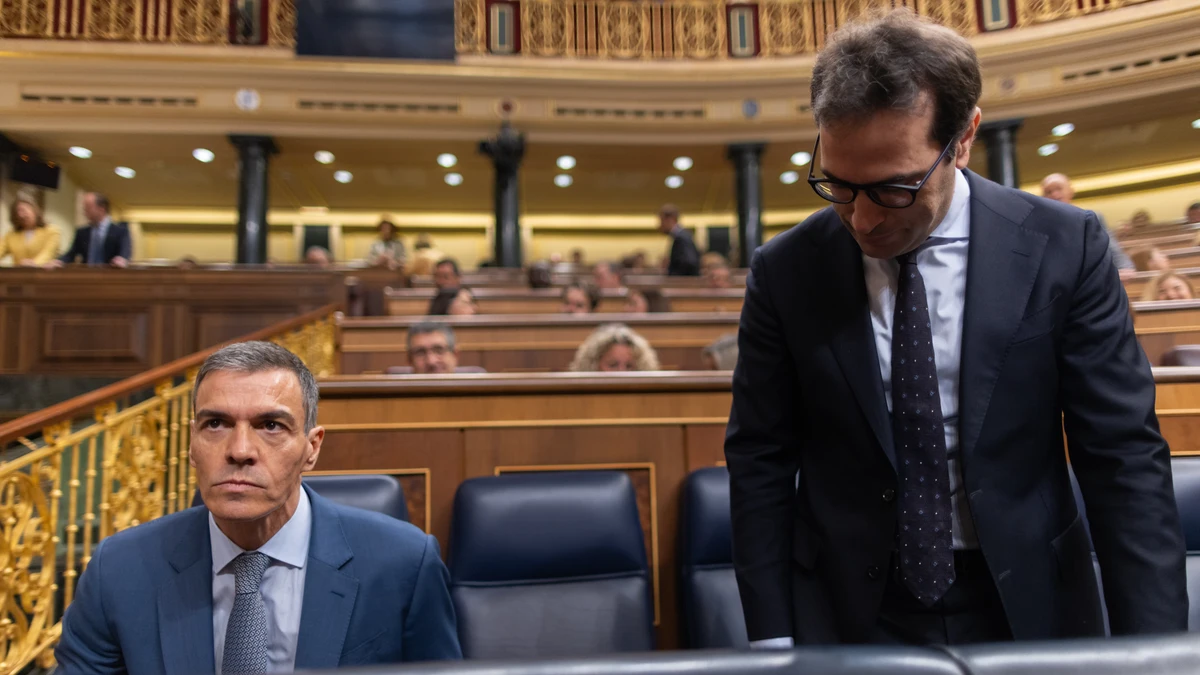
A speechwriter working for Prime Minister Andy Burnham asked the artificial intelligence program ChatGPT to add "emotive" content to one of his speeches, according to an investigation by the Mail on Sunday.
The newspaper reported that the aide was spotted working on the request while travelling by train from London to north Wales, and that he was drinking prosecco at the time.

The disclosure has prompted questions over how much of Burnham's public rhetoric, including passages previously praised for their emotional force, comes from the Prime Minister himself rather than from staff using a chatbot to help draft his words.
Conference speech comes under scrutiny
The report followed renewed attention on a speech Burnham gave at the Labour Party conference in Liverpool, during which he paused before speaking emotionally about his late father. At the start of that address, he told the audience: "It's very hard to put into words the emotion I feel standing here before you all."
The speech also referred to his grandmother and to working-class aspiration, and argued that "kids" could no longer get ahead in life because of Brexit and Conservative governments. Some Westminster commentators described it as one of the most powerful speeches in British politics in a generation.
Comparisons with past Whitehall officials
A newspaper columnist writing about the disclosure likened the use of AI-generated emotional content to a technique used by Hollywood actresses, who use drops of glycerine to trigger tears for dramatic effect, producing what the columnist called "fake emotion that cons audiences."
The column argued that an earlier generation of senior Whitehall figures, including Harold Wilson, Douglas Hurd, Chris Patten and George Robertson, combined intellectual rigour with personal authenticity before rising to prominent roles in British public life. Wilson served as Prime Minister, Hurd and Patten both held senior cabinet positions, and Robertson later became secretary-general of NATO.
The column also noted that Burnham was born into what it described as a loving, middle-class family, studied at Cambridge University, and worked as a Westminster special adviser before entering frontline politics, contrasting him with past parliaments that included former coal miners, North Sea trawlermen, farm workers and factory workers.
Wider AI use across government
The disclosure came amid separate reports, referenced in the same coverage, that half of civil servants in several Whitehall departments admit to using artificial intelligence tools to save time at work.
The columnist argued that the Left often reaches for arguments about poverty and hardship, including comparisons to the Thatcher era, to build a case for higher taxes and more welfare spending, and accused Labour figures of exaggerating hardship for political effect.
Of Burnham's conference speech, the columnist wrote: "I am sorry to say that our outwardly likeable Prime Minister has been caught peddling poverty porn for dirty electoral purposes," arguing that if there were real force behind such arguments, no aide would need to ask a computer program for help, and that genuine conviction could instead be drawn from personal experience.
The column concluded that authenticity in political speech "comes only from the heart" and cannot be manufactured by artificial intelligence.
Test yourself
Which AI program did Andy Burnham's speechwriter reportedly use?
Where was the aide reportedly spotted working on the speech?
What did the Mail on Sunday report the aide asked ChatGPT to add?
Have your say
Should politicians use AI tools like ChatGPT to help write their speeches?
Where it happened
London, United Kingdom