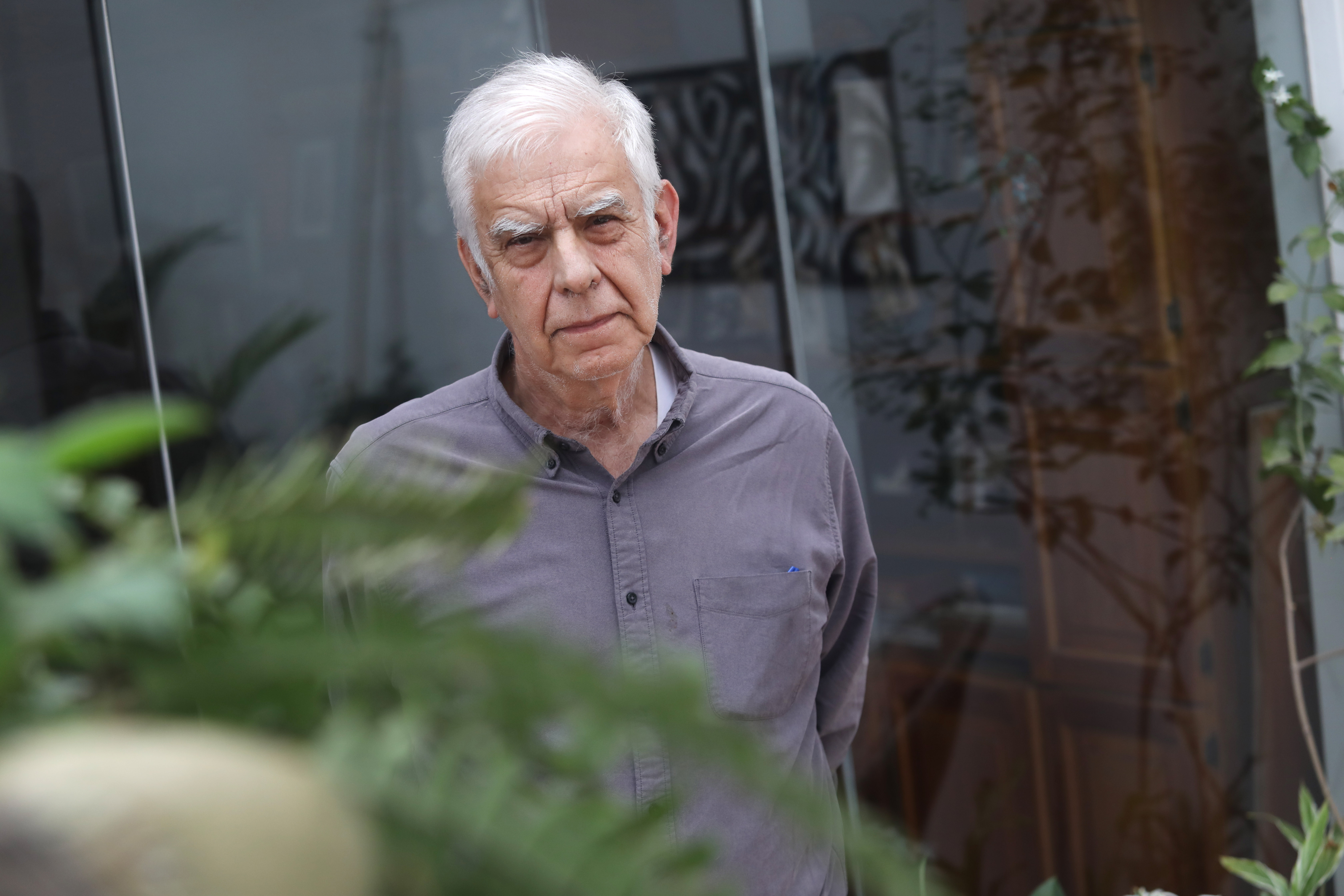
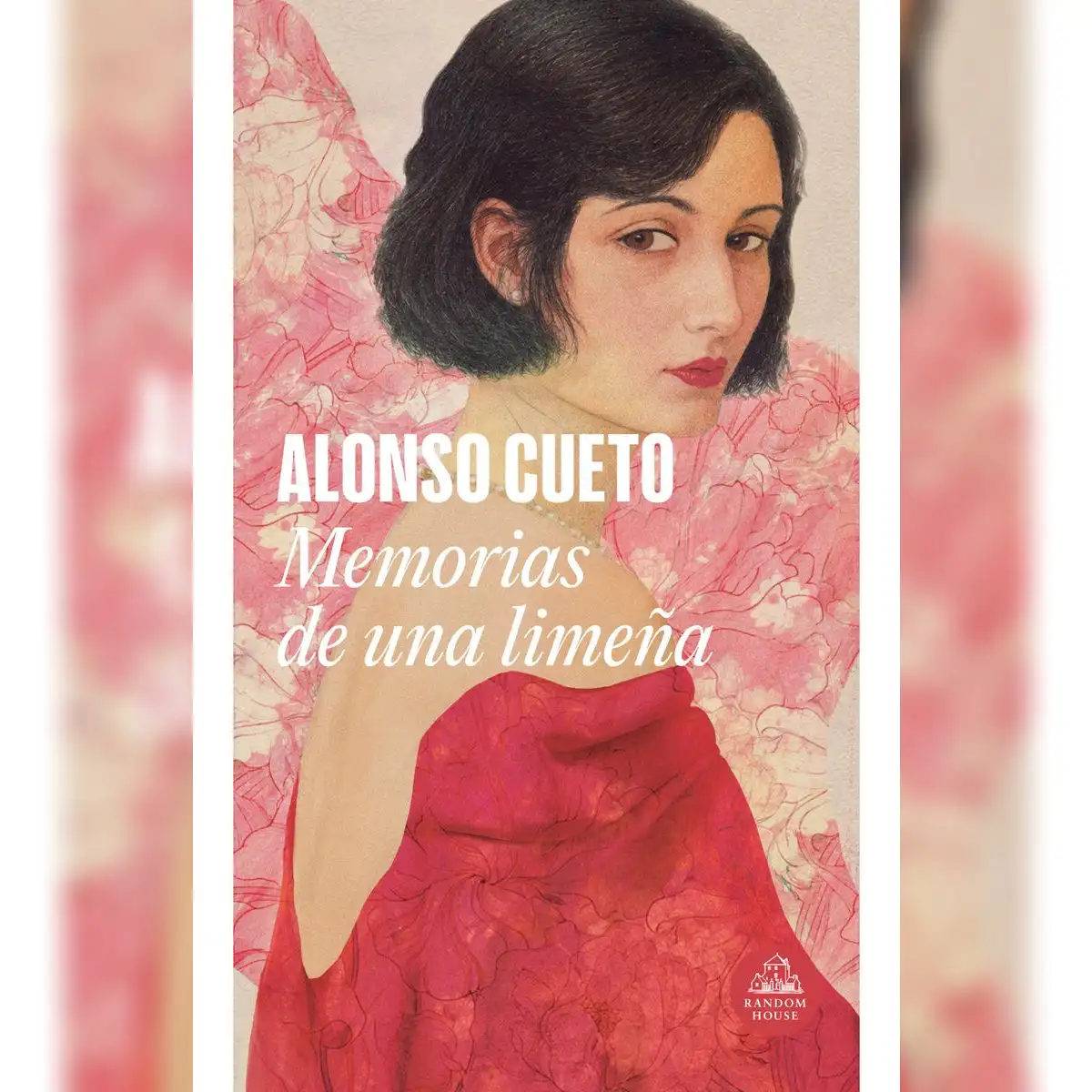
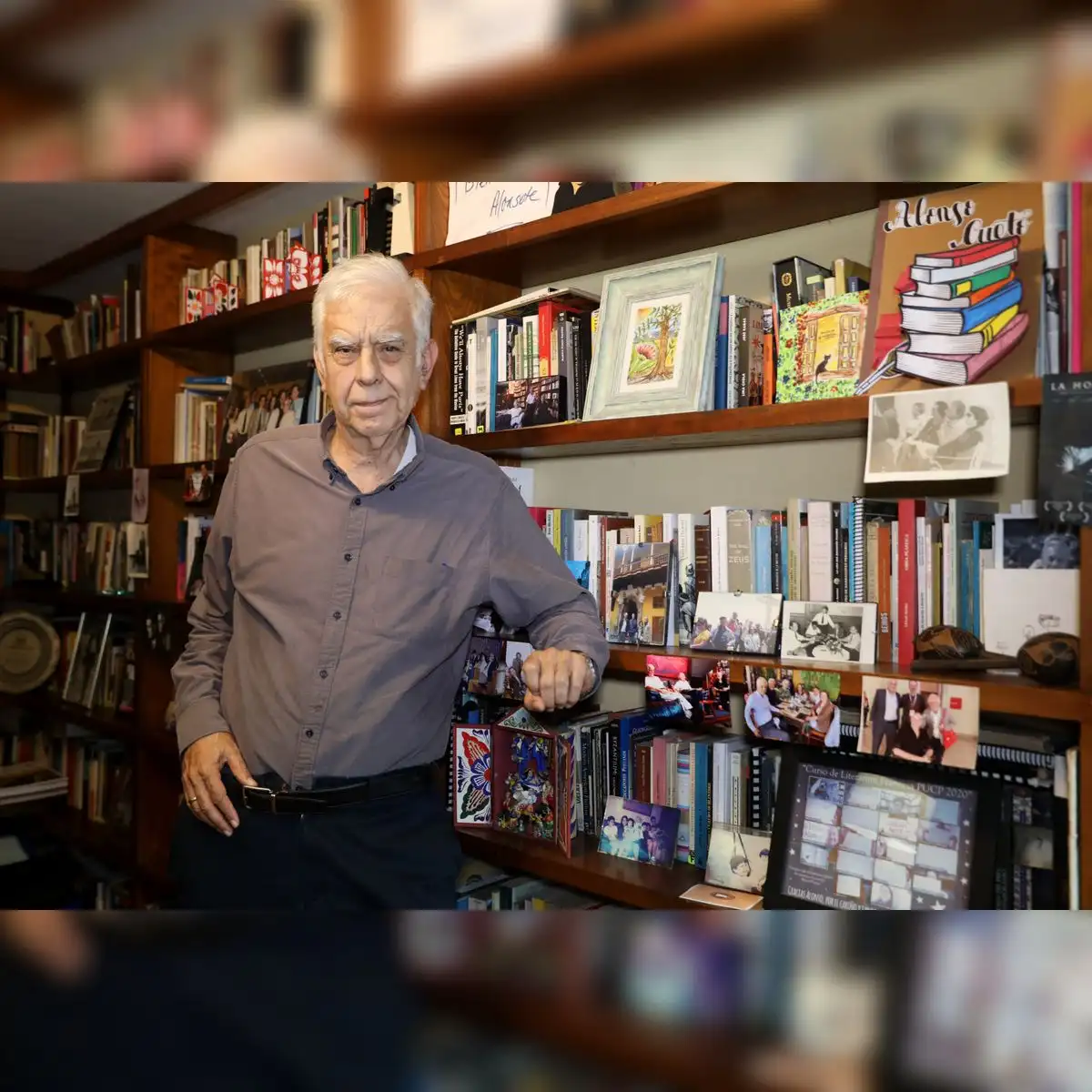
Peruvian author Alonso Cueto has released his latest novel, Memorias de una limeña, which has become the best-selling Peruvian novel of the year. Published by Penguin Random House at a price of 79 Peruvian soles, the book explores the cultural effervescence, social contrasts, and political crises of Lima during the first half of the 20th century.
In an interview with Gabriel Ruiz Ortega for the Peruvian newspaper La República, Cueto explained that the narrative is told from the perspective of Adriana Verón Taipe, a woman approaching 70 years of age. Through writing about her life, the protagonist undergoes a journey of personal redemption in which Peruvian culture plays a central role.
The Craft of Storytelling and Entertainment
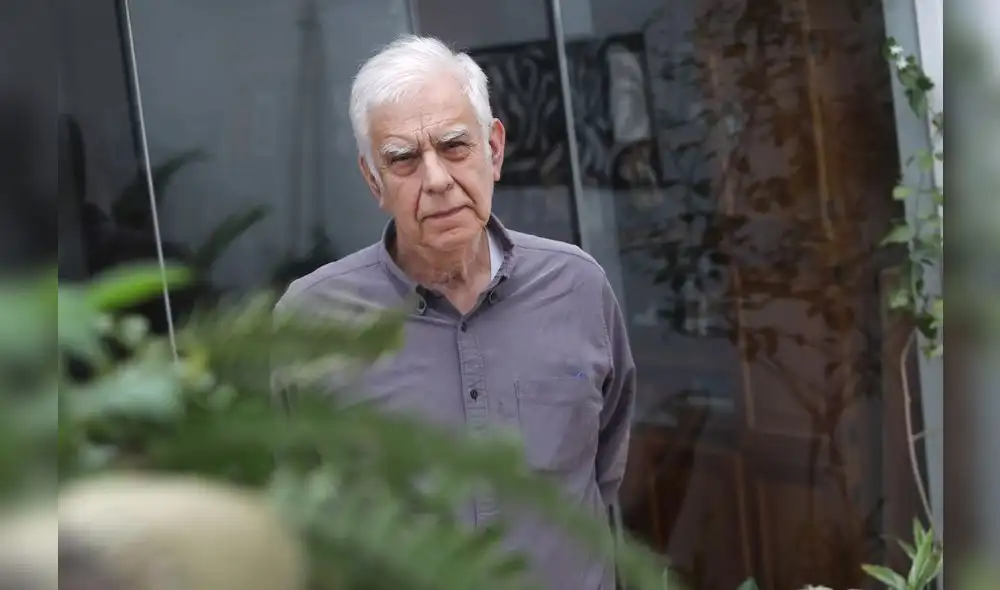
Cueto addressed the role of entertainment in contemporary literature, welcoming the description of his work as entertaining. He stated that while a novel must explore the identity of its characters and reflect on human nature, achieving genuine entertainment remains one of the most challenging tasks for a writer.
According to Cueto, entertaining readers requires managing suspense, expectation, pacing, emphasis, and concealment. He noted that a well-crafted plot must possess both roots and wings to move forward effectively, connecting his approach to the narrative traditions of the 19th century when novels were expected to entertain.
Cueto criticized 20th-century literary trends influenced by Irish author James Joyce. He observed that followers of Joyce began to treat plot and storyline as unnecessary, creating a climate where boredom gained prestige as a literary virtue. Cueto maintained that narrative intrigue and action remain fundamental responsibilities for any novelist.
Memory and Personal Identity
When developing his fiction, Cueto stated that the core story always comes before the tone. Achieving the appropriate tone requires extensive practice, trial, and error. He attributed his focus on memory to a deep obsession with the past, asserting that human identity is built on what individuals remember.
Cueto referenced 15th-century Spanish poet Jorge Manrique and his classic work Coplas por la muerte de su padre to explain the nature of memory. He noted that remembering involves both the mind and the heart, bringing past experiences back into clear focus through emotional and intellectual lucidity.
The memories of protagonist Adriana Verón Taipe span multiple eras of Peruvian history leading up to the 1960s. Her story opens during an era of cultural optimism in early 20th-century Lima, marked by enthusiasm, elegance, and a dedication to art and social distinction.
Cultural Fervor and Political Shifts
Cueto highlighted the influence of Peruvian poet Abraham Valdelomar, who promoted art as a social good aimed at spiritual education across society. Thinker José Carlos Mariátegui later adopted Valdelomar's artistic ideas, transforming them into a broader social and political movement.
Recalling a conversation in the United States with poet Magda Portal, Cueto described how political leader Víctor Raúl Haya de la Torre urged Portal to abandon poetry for political activism. In response, Portal walked to the Rímac River and threw all her written verses into the water.
Cueto also shared an anecdote about Mariátegui's disciples in Lima. After speaking with Mariátegui, two young followers left convinced that capitalism was ending. Believing money would soon become useless, they went to a confectionery in the Parque de la Reserva and spent all their funds.
This widespread faith in the future came to an abrupt end during the 1930s. Cueto noted that the arrival of military rule in Peru extinguished the ideological enthusiasm that had defined the preceding decades.
Foreign Influence and Local Cultural Revival
Throughout much of its modern history, Lima suffered from an over-reliance on foreign imitation in architecture, fashion, and social customs. In the early 20th century, residents embraced imported dances such as the foxtrot, charleston, and peabody while neglecting local art forms.
Musician Felipe Pinglo Alva created influential compositions, but high society ignored his work, and press coverage of his death was minimal. Appreciation for local music shifted in the 1950s when singer Chabuca Granda and historian Raúl Porras Barrenechea championed Peruvian criollo culture.
Porras Barrenechea taught and wrote about Peruvian historical figures, bringing recognition to Pinglo, criollo music, and writer Pedro Espinel. Chabuca Granda wrote famous compositions celebrating the memory and glory of Lima, validating local cultural traditions for a broader audience.
A similar pattern unfolded in Peruvian gastronomy. During the Aristocratic Republic, formal dinner invitations listed French dishes rather than traditional Peruvian meals like lomo saltado or ají de gallina. Decades later, chef Gastón Acurio led a movement that established Peruvian cuisine as a global luxury.
The Andean Connection and Female Perspective
In Cueto's novel, protagonist Adriana Verón Taipe experiences a life-altering fall before embarking on a journey of recovery. She establishes a textile business by sourcing unique natural dyes from Cusco, exporting them abroad and achieving personal redemption through her connection to Andean heritage.
Addressing the concept of huachafada, a term describing ornate or kitsch Peruvian aesthetic style, Cueto recalled author Mario Vargas Llosa calling it Peru's main contribution to universal culture. Cueto cited research by linguist Martha Hildebrandt showing that the word originated from festive gatherings held by coastal Colombian women in Lima.
Traditional Lima society viewed these Colombian gatherings, which featured porro, vallenato, and cumbia music, as excessive and colorful. Citing poet Martín Adán's essay De lo barroco en el Perú, Cueto affirmed that Peru is a baroque country defined by a rich accumulation of contrasting elements.
Cueto discussed the technical challenge of writing from a female perspective, which he first attempted in his novel El susurro de la mujer ballena following his earlier book La hora azul. To ensure authenticity, he regularly consulted his wife and mother when questions arose during drafting.
Cueto observed that adopting a female narrator allows an author to explore intense interpersonal relationships and dense social networks. He added that historical repression by fathers and husbands often created complex internal worlds within women, making their consciousness a compelling space for literary exploration.
Concluding his reflection on the capital, Cueto asserted that Lima is fundamentally a feminine city rather than a masculine one. Despite urban chaos and the destruction of historic sites, he pointed to the city's coastal location on the Pacific Ocean, its renowned gastronomy, and its surrounding mountain ranges as enduring defining features.