

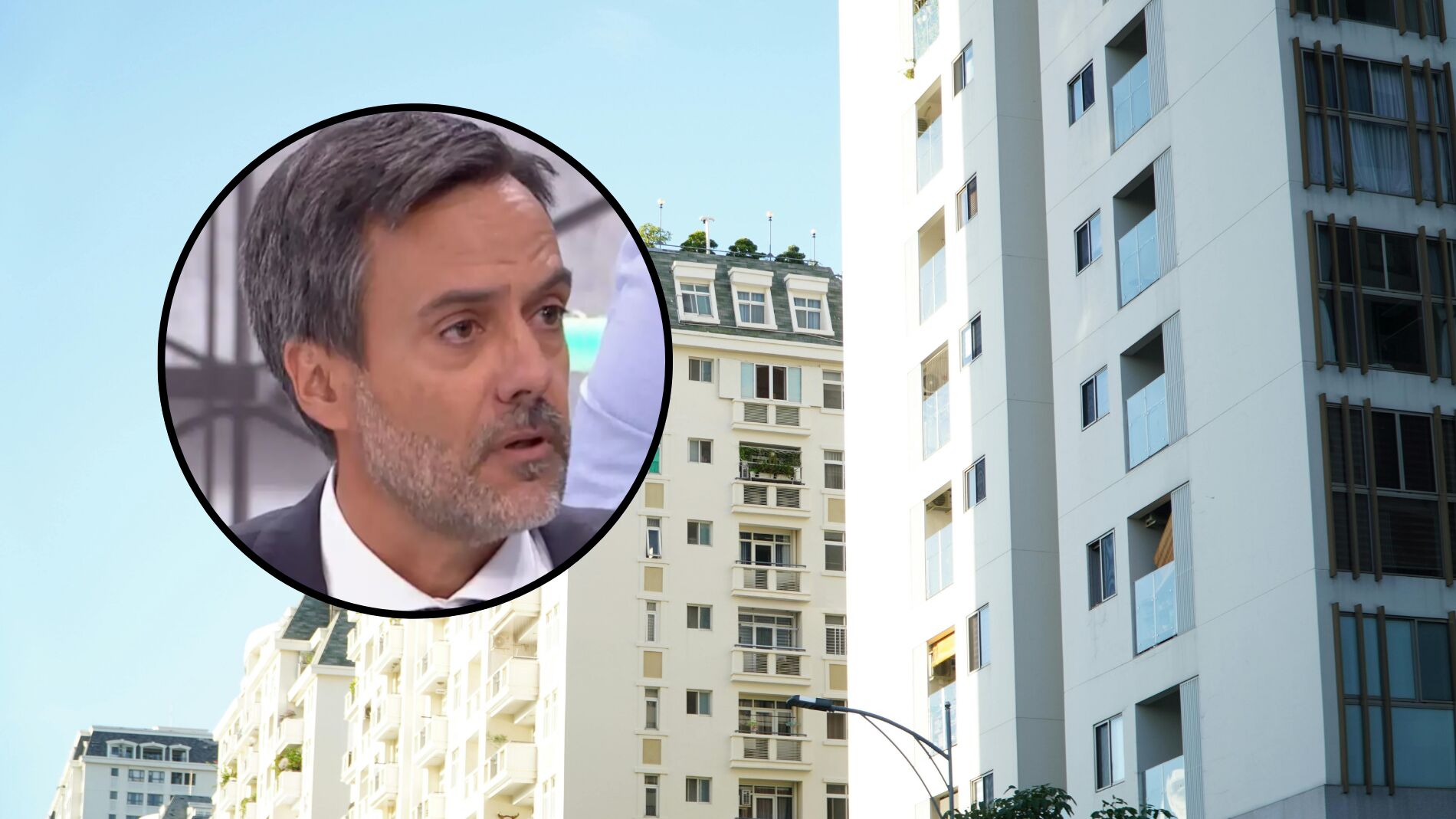
Economist Luis Garvía has warned that low wages and severe housing shortages are eroding the Spanish middle class, shifting the status from owning property to affording a mortgage deposit.
Speaking during an economic analysis on the television program laSexta Xplica, the finance doctor argued that political debates surrounding Spain's inheritance tax overlook the primary structural barriers confronting young workers.
Inheritance Tax Fiscal Impact
Garvía began his analysis by examining Spain's tax collection figures, noting that the inheritance tax generates around 3,000 million euros annually. He contrasted this figure with the nearly 200,000 million euros collected through major direct and indirect taxes, including personal income tax, known as IRPF, and value-added tax, known as IVA.
The economist calculated that inheritance tax represents approximately 1.5 percent of Spain's total tax receipts. With the Spanish state bringing in record revenues higher than at any point in recent history, Garvía stated that from a strictly fiscal perspective, the inheritance tax was of little personal concern to him.

Labor Precariety for Young Spaniards
Moving beyond tax policy, Garvía argued that efforts to promote equal opportunity must focus on early career stages rather than estate distributions later in life. He emphasized that education and workforce entry at the beginning of working life play a far more decisive role than inheritances received at the end of life.
He described a challenging labor environment for young people entering the market in Spain, highlighting widespread job insecurity and low starting salaries. He identified low earnings as the first link in a chain of compounding economic difficulties for younger generations.
Housing Supply and Generational Ownership
Garvía identified housing access as the second major obstacle for young workers, attributing the problem to an imbalance in property distribution across age groups. He noted a severe shortage of available housing across the country.
According to his figures, 45 percent of homes in Spain are owned by individuals over 65 years old who also receive state pensions. He described this accumulation of low pay and restricted housing as a vicious circle that turns inheritance matters into a broader crisis when layered together.
Looking ahead, Garvía projected that over the next 10 years, one third of all residential properties entering the market will be transferred through inheritance. He warned that this trend represents the largest transfer of equity and wealth in Spain's upcoming history.

Structural Scarcity and the Middle Class
Garvía stressed that the fundamental driver of the housing crisis is not the inheritance process itself, but a persistent lack of market supply. He decoupled the problem from inheritance taxation, pointing directly to structural shortages in housing construction and availability.
Concluding his assessment, Garvía highlighted the broader social impact on Spanish society, stating that the middle class as traditionally defined is progressively disappearing. He observed that middle-class status no longer guarantees homeownership, but merely the ability to secure a loan deposit and take on a mortgage.