

International truck driver Miriam has urged prospective long-haul drivers across Europe to start practicing English immediately to avoid severe administrative delays at freight hubs.
The long-distance haulage specialist, who spends up to 24 consecutive days living inside her vehicle while driving routes across France, Germany, Poland, Ireland, Italy, and Spain, warned that relying on mobile translation software can double the time required to complete essential workplace paperwork.
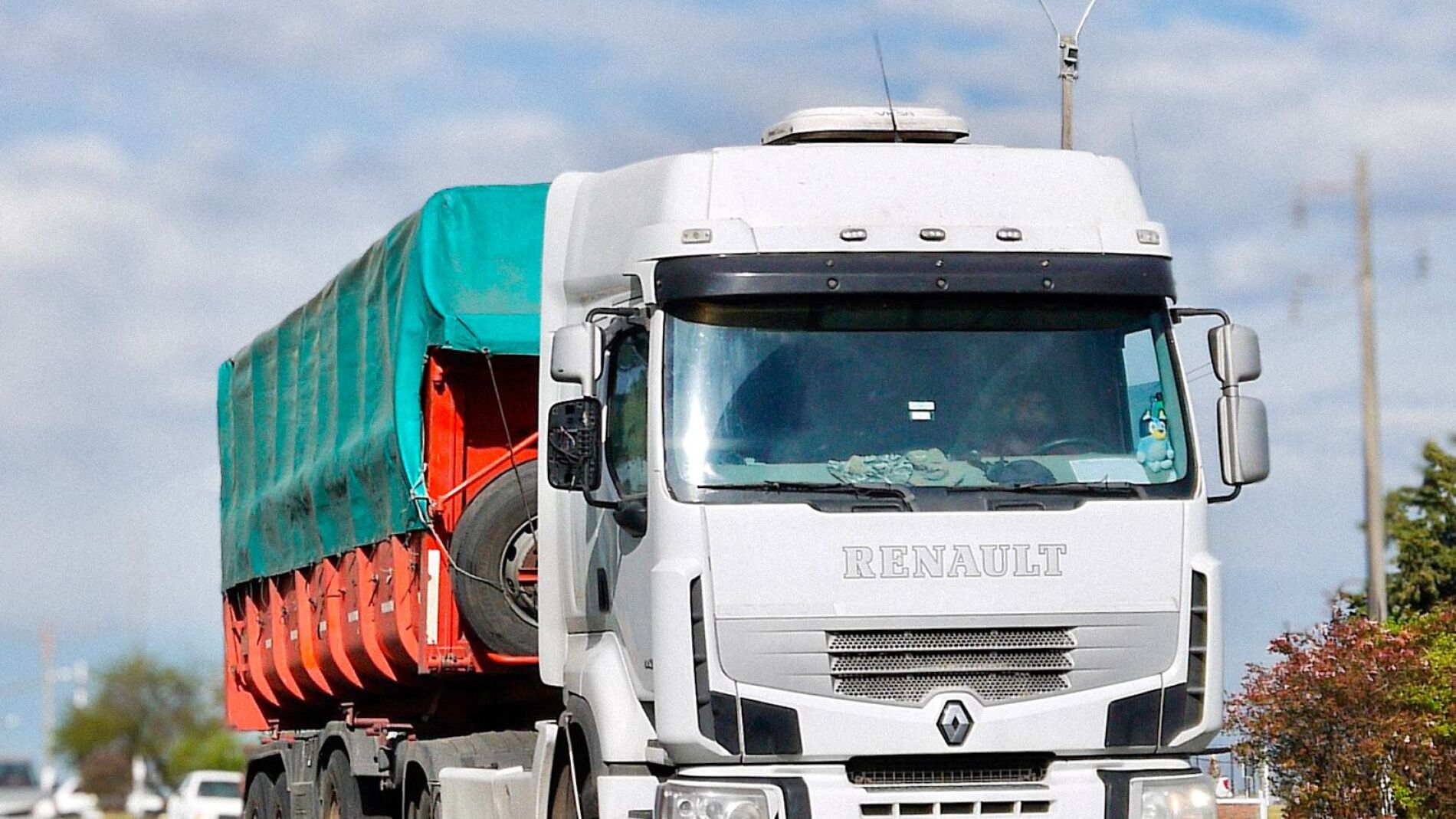
Writing on her social media channel @lachicacamionera, Miriam outlined the rigorous demands of international freight transport and explained how language barriers complicate daily operations at distribution centres and border points.
Managing Life on the European Road
Operating an international heavy goods vehicle requires drivers to spend extended periods away from home, turning the truck cab into a multi-purpose living space. For Miriam, trips last between 22 and 24 consecutive days during which her cabin serves as her bedroom, kitchen, and living room.
When low season arrives, she receives only three or four days off at home. She must divide this brief break between resting after weeks of driving, managing personal household chores, and spending time with friends.
To cope with this grueling schedule, meticulous advance planning is mandatory. Miriam explained that she must optimize her time by adapting daily domestic tasks directly to her driving schedule. To prevent losing her precious rest days to routine errands, she completes chores while still on the road, including stopping at supermarkets along her route to buy groceries before arriving home.
Long-distance road haulage across the European Union relies on tight schedules governed by strict regulations on driving hours and mandatory rest periods. International drivers operate heavy commercial vehicles over thousands of miles, making efficient rest management and cabin organization crucial for maintaining safety and operational productivity.
Language Barriers at Freight Terminals
While organizational discipline is critical inside the cabin, Miriam emphasized that mastering English is an equally vital professional tool for anyone navigating European transport corridors. Drivers frequently need to present shipping manifests, register at security gates, and coordinate loading procedures with logistics personnel of various nationalities.
Miriam advised individuals currently studying for their commercial driving permits to download language learning applications and begin practicing English without delay. She explained that English fluency enables drivers to communicate effectively with terminal staff in different countries and move through international trips with far less friction.

Despite her own advice, Miriam acknowledged that she still relies heavily on the co-driver who shares her routes, as well as smartphone translation applications. However, she pointed out that digital translators create significant operational bottlenecks during administrative checks.
Delays Caused by Translation Software
Using mobile phone translation apps often doubles the time needed to clear administrative paperwork at cargo terminals. Typing out statements, processing digital translations, and waiting for depot staff to read and reply creates unnecessary delays in conversations that could otherwise be resolved in seconds.
Commercial transport hubs operate on tight turnarounds where delivery delays can disrupt supply chains. For heavy goods vehicle operators, passing through customs checkpoints, industrial parks, and cross-docking facilities requires quick, clear communication to receive loading bay assignments and signed delivery notes.
Miriam stressed that earning a commercial driver license is only the first step toward a career in international transport. She concluded that acquiring practical English communication skills before entering the sector ensures smoother processing at loading points, easier navigation when asking for directions, and a far more manageable daily routine across European highways.