


Energy efficiency expert Álvaro Pérez March said lowering window shutters before 10 a.m. can cut air conditioning energy consumption by up to 25 percent. Pérez March, co-founder and chief executive officer of Auro AI, stated that closing shutters early can also keep a room up to 30 percent cooler. The original claims were published by El Español on August 10, 2026.
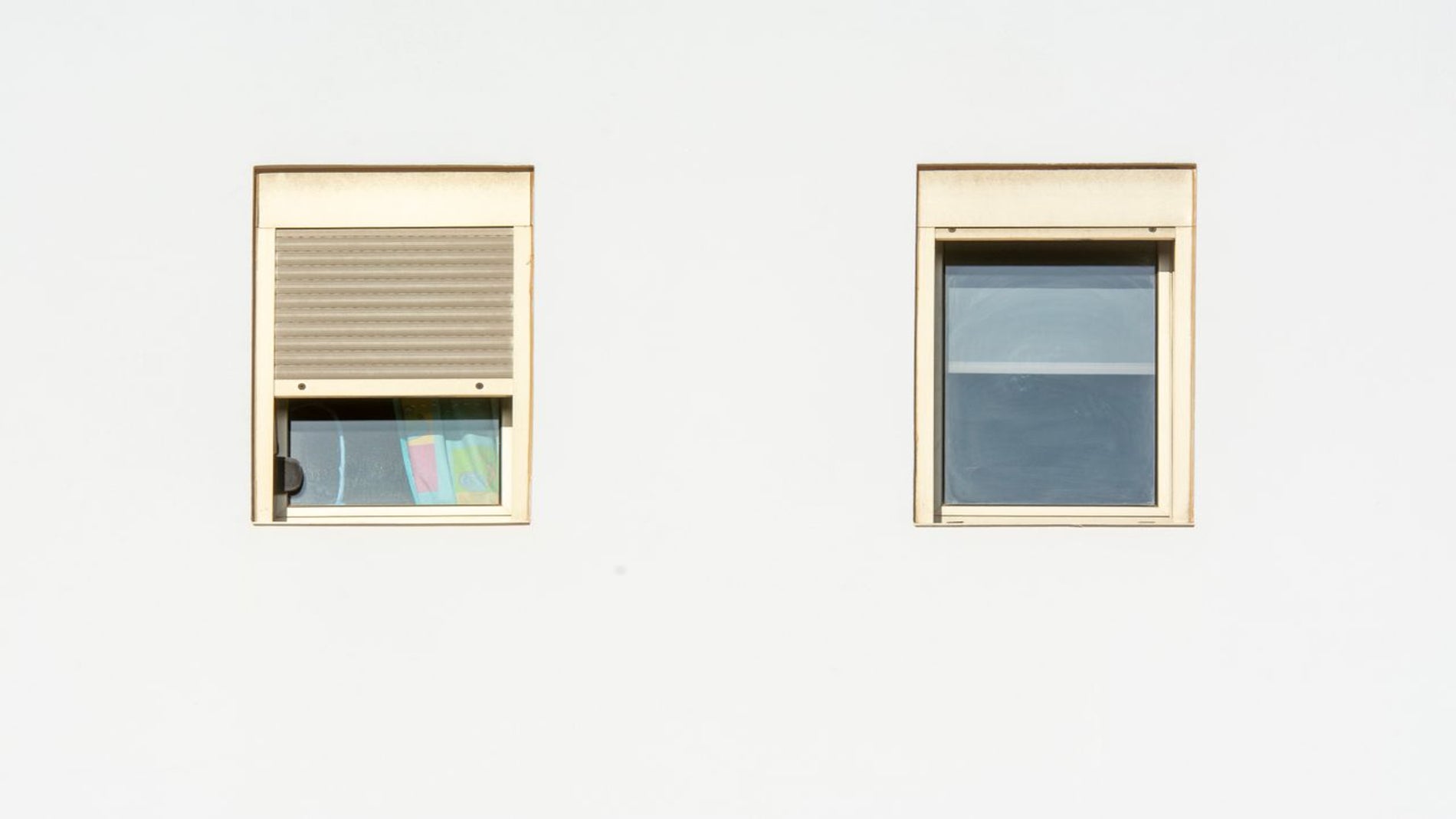
Both figures are estimates from Auro AI and describe potential savings that depend on the specific home. Glass windows allow solar radiation to enter, which interior surfaces then absorb. Lowering shutters before direct sun exposure stops heat gain before air conditioning units must remove it.
Air conditioning technician Carlos Llull said the main problem is how much heat enters the home. The no-cost habit yields results based on building characteristics. East-facing windows receive early morning sunlight, while west-facing windows require afternoon protection. Wall insulation, glass types, and air leaks also create significant differences between properties.
Factors Affecting Air Conditioning Efficiency
The 10 a.m. threshold serves as a practical reference rather than a rigid rule for every facade. Properly sealing a room changes how the compressor operates. If warm air enters continuously or walls heat up for hours, the equipment takes longer to reach target temperatures and runs at higher power, raising electricity bills.
Reducing initial heat entry is generally more effective than lowering the thermostat by several degrees. Remote control errors that force equipment to make sudden adjustments should also be avoided. Energy reductions stem from limiting solar energy reaching glass and interior surfaces rather than the movement of the shutter itself.
Exterior solar protection stops radiation more effectively than interior shutters, which act after some heat has already entered. Closing shutters early relieves cooling demand and complements dehumidifier dry modes on humid days. Savings vary across rooms within the same apartment, as a small west-facing bedroom sees a greater impact than a shaded interior space.
Recommended Cooling Routines and Settings
Savings also depend on operating hours and set temperatures, meaning a 25 percent reduction cannot be guaranteed without before and after measurements. An effective routine begins by ventilating when outdoor air is cooler than indoor air. Windows and protective covers on sunny facades should be closed once outdoor temperatures rise.
Domestic fans circulate air to improve comfort at lower power, but they do not reduce room temperatures like a compressor can. Using a fan can delay turning on air conditioning units for temporary cooling needs. When cooling is necessary, the Institute for Energy Diversification and Saving recommends setting the thermostat to 26 degrees Celsius or higher if comfortable with light clothing.
Keeping filters clean and doors closed ensures airflow reaches occupied areas without obstacles. Air conditioner sizing must match room dimensions, as undersized units work continuously at their limit and portable units experience internal energy losses.
Measuring Temperature and Energy Impact
Homeowners can verify solar heat impact using two thermometers and an electric meter. Comparing temperature changes between protected and exposed rooms identifies whether direct radiation is the primary issue. Shutters generate energy savings specifically when blocking sunlight rather than simply remaining closed.


