

Kyiv residents are moving to western Ukraine ahead of winter, driving down capital rents while apartment shortages in western cities push up local prices.
The shift follows Russian strikes against civilian and energy infrastructure across Ukraine, prompting urban residents to seek refuge from anticipated electricity and heating disruptions. In Kyiv, the supply of one-room rental apartments jumped by 20 percent this autumn, while tenant demand fell by an identical 20 percent.
In contrast, rental supply across western Ukraine has shrunk rapidly, leaving cities such as Uzhhorod with almost no vacant apartments. Demand for renting houses in western regions has more than doubled compared to last year, surging by 163 percent in Bukovyna, 110 percent in Zakarpattia, 105 percent in Ivano-Frankivsk, and 70 percent in Lviv. In central and eastern areas, house rental interest also increased, rising 34 percent in Kyiv region and 30 percent in Kharkiv region.
Relocation trends and capital safety concerns
Realtor Oleksandr Boiko said that while some Kyiv residents are moving west, going abroad, or relocating to safer areas of the capital, the overall movement remains moderate rather than a mass departure. He noted that the primary motivations are physical safety and residential autonomy, including access to electricity, heating, and water. Properties in buildings equipped with power generators or inverters and working lifts are renting and selling noticeably faster.
Boiko added that most relocations are flexible arrangements rather than permanent departures. Many residents choose not to sell their Kyiv apartments, instead leasing them out while renting homes in western regions to preserve their assets and retain a backup option. Families with children and remote workers are moving most willingly, while within Kyiv itself, tenant interest is concentrating in newer buildings featuring shelters, parking facilities, backup power, and lighter electrical grid loads.

Yurii Pita, former president of the Association of Real Estate Specialists of Ukraine, also emphasized that describing the situation as a mass exodus from the capital is incorrect. He explained that many residents are simply shifting to safer neighborhoods within Kyiv itself.
According to Pita, apartments in certain districts cannot be rented out even at deeply discounted rates because of the severe threat posed by Russian missile and Shahed drone strikes. On Kyiv's right bank, Solomianskyi district, Zhuliany, and Lukianivka face the greatest risks, while Darnytskyi district suffers most on the left bank. Areas close to non-residential sites such as office complexes, warehouses, and data centers also experience elevated vacancies as residents move away from potential targets.
Surging competition across western cities
Real estate platform DIM.RIA reported that tenant interest in western Ukraine is concentrated primarily in Lviv, Ivano-Frankivsk, Ternopil, and Uzhhorod.
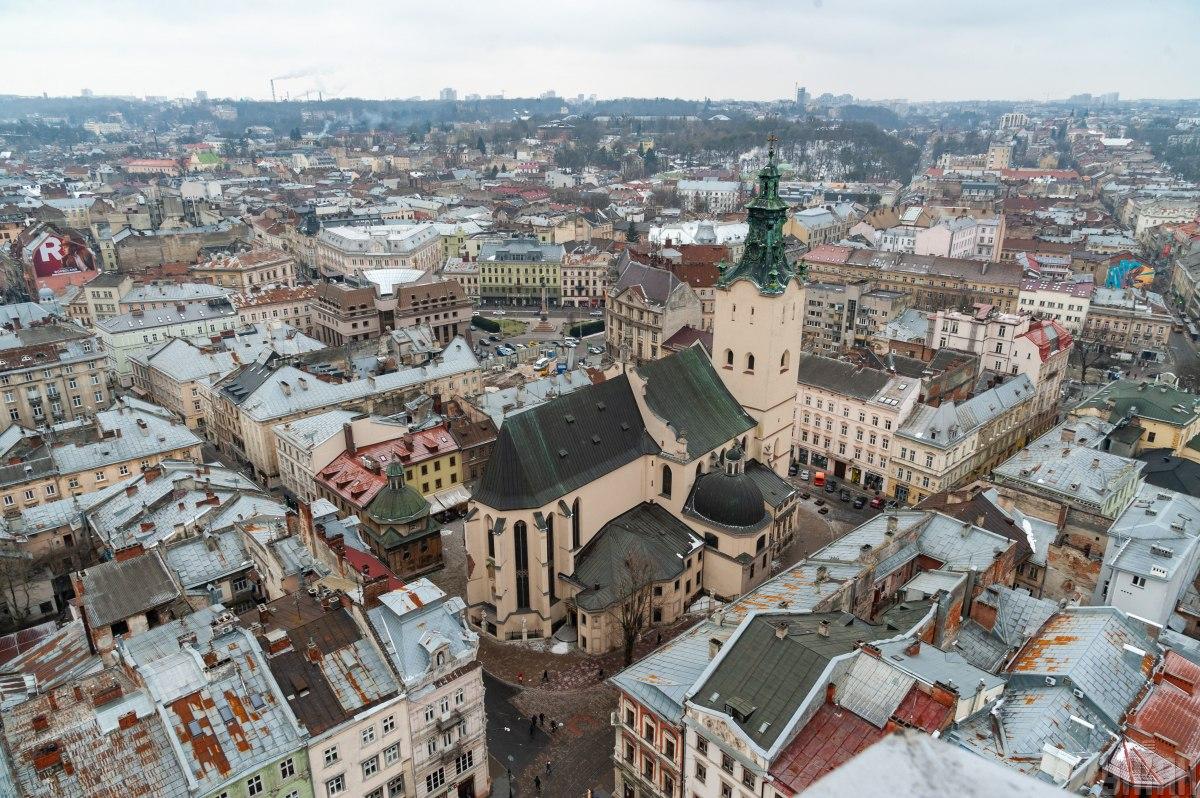
Vitalii Poberezkyi, head of product development at DIM.RIA, said that people choosing these cities are looking beyond basic safety. He noted that access to employment, medical facilities, schools, kindergartens, and public transport is critical for people planning extended stays, as they must organize work and family life alongside shelter.
Boiko confirmed that Lviv and Ivano-Frankivsk are seeing the strongest demand. In Ivano-Frankivsk, at least 10 applicants compete for every available apartment, with high-quality properties drawing between 50 and 60 prospective tenants. While vacant flats can still be found in Lviv, well-priced listings are snapped up within days.
Boiko advised prospective tenants to consider older housing stock and make quick decisions because available flats disappear rapidly. He also suggested looking at smaller western markets such as Chernivtsi, Ternopil, Lutsk, and Uzhhorod, where choices remain broader and prices are more moderate. For renters, he recommended searching 15 to 20 minutes from city centres and considering unrenovated apartments, which remain listed longer and allow room for price negotiation. He also cautioned western property owners against overheating the market with inflated rates, warning that overpriced flats linger unrented despite high overall demand.
Regional disparities in rental rates
Despite ongoing security and energy concerns, Kyiv remains the most expensive market for one-room rental apartments. DIM.RIA figures show the average monthly rent for a one-room flat in the capital stands at 33,000 hryvnias, though rates vary substantially depending on district and condition.
In western Ukraine, Zakarpattia recorded the highest regional monthly rent for one-room properties at 29,000 hryvnias, followed by Chernivtsi region at 27,000 hryvnias, Ivano-Frankivsk region at 24,500 hryvnias, and Lviv region at 22,500 hryvnias.
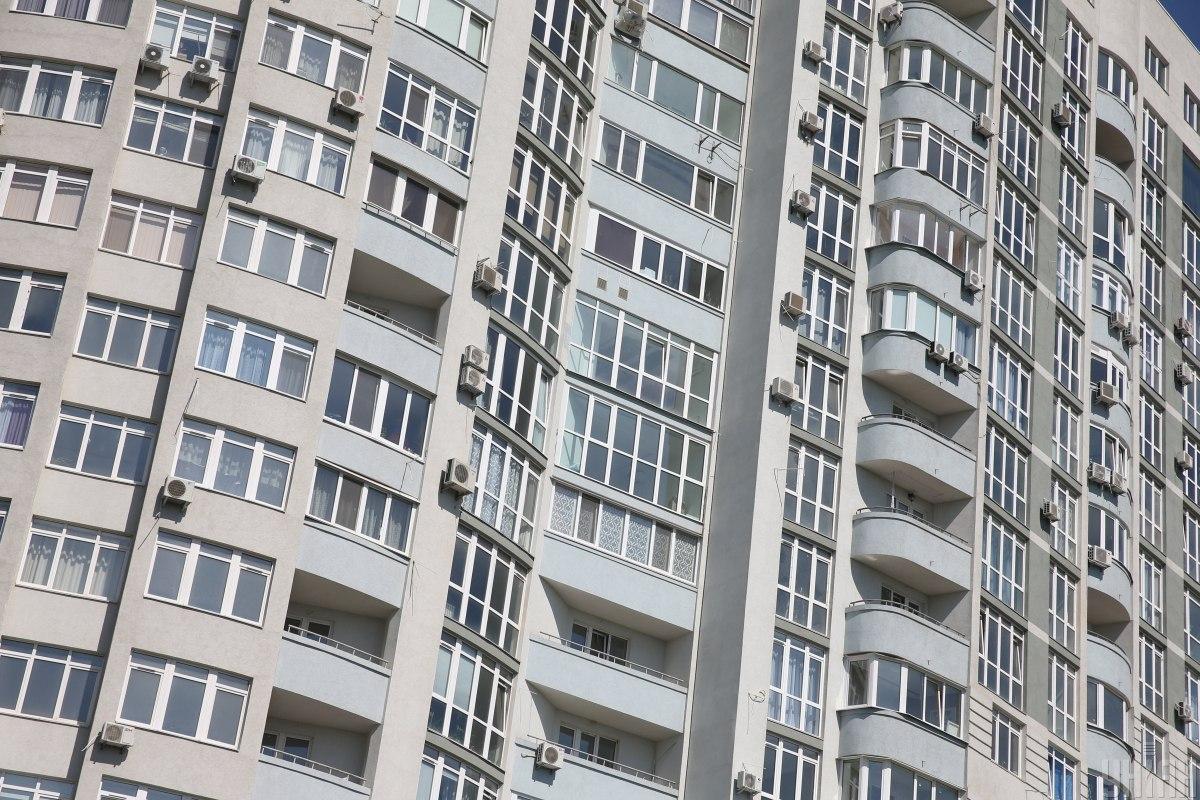
Poberezkyi noted that annual rental price growth in western regions has outpaced the capital. Rents rose 83 percent over the past year in Chernivtsi region, 47 percent in Ivano-Frankivsk region, 38 percent in Zakarpattia, and 34 percent in Lviv region, compared with a 13 percent increase in Kyiv.
Boiko provided alternative figures from market transactions that show lower average rents in Kyiv. He estimated the monthly rent for a one-room Kyiv apartment at 16,000 hryvnias in October, down from 17,000 hryvnias in September, noting that actual discounts brought the drop closer to 15 percent. In Lviv, he observed that one-room rents slipped 10 percent to 22,500 hryvnias, while three-room flats jumped 14 percent to 36,000 hryvnias. In Ivano-Frankivsk, one-room rents have climbed 30 to 50 percent since the beginning of the year, reaching 22,500 hryvnias a month.
Property sales and secondary market pricing
On the secondary purchase market, DIM.RIA reported that Kyiv maintains the highest prices for one-room apartments at $90,000, representing a 7 percent annual increase. Across western Ukraine, one-room purchase prices reached $81,000 in Zakarpattia, up 16 percent; $80,000 in Lviv region, up 21 percent; $79,000 in Ivano-Frankivsk region, up 46 percent; and $65,500 in Chernivtsi region, up 38 percent.
Poberezkyi said these figures underline that western regions have become expensive for both renting and buying, with substantial annual price increases recorded in Ivano-Frankivsk and Chernivtsi regions.
Boiko noted different purchase pricing based on deal values in Kyiv, estimating secondary one-room sales at roughly $67,000. He placed two-room apartments at $99,000, down 6 percent year-on-year, and three-room apartments at $145,000, down 3 percent, with a median price of $1,294 per square meter, or over 58,000 hryvnias. In Lviv, secondary sales averaged about $860 per square meter, or approximately 39,000 hryvnias, while Ivano-Frankivsk stood at $445 per square meter, or over 20,000 hryvnias.
Boiko added that the most expensive properties remain in Kyiv, where a one-room flat in the central Pechersk district costs 35,000 hryvnias to rent or $148,000, exceeding 6 million hryvnias, to purchase. He noted that Ivano-Frankivsk is catching up to Lviv in rental prices while remaining far cheaper for property acquisitions.
Winter market outlook and price expectations
Market activity traditionally slows during the winter months, and analysts anticipate a similar lull this season. Yurii Pita said the real estate sector is already entering its customary winter slowdown, predicting that Kyiv property prices will not rise before next spring.
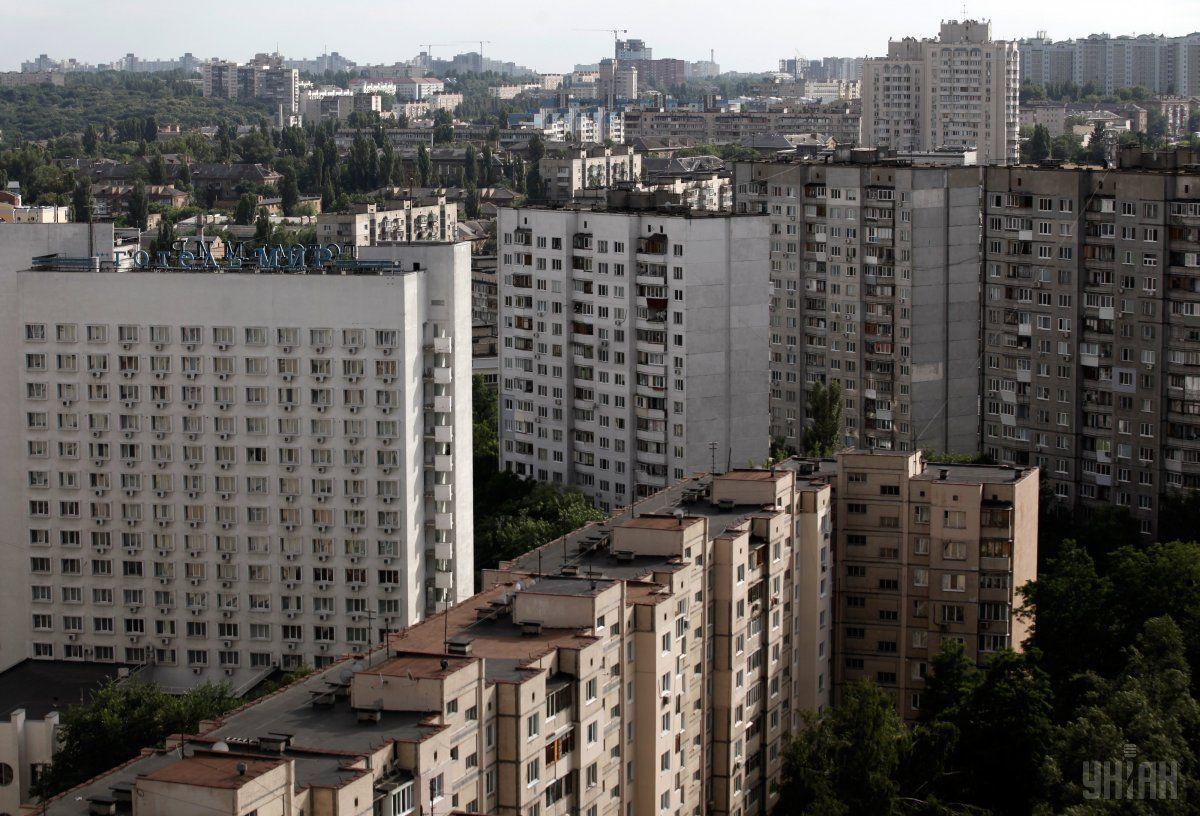
Pita indicated that prices in the capital might see slight declines only in the premium segment for properties priced above $100,000. In more affordable categories, he expected owners to hold their asking prices or delay sales. Across western Ukraine, Pita did not forecast a sharp price jump, though he suggested potential price increases of up to 10 percent across all market segments.
Boiko similarly discounted forecasts of a severe price crash in Kyiv or safer regions, explaining that sellers are reluctant to lower prices and that low transaction volumes indicate a frozen market rather than a collapsing one. He said actual transaction prices would soften gradually by a few percent, primarily in vulnerable categories like upper floors or buildings lacking autonomous utilities.
Poberezkyi agreed that winter buyer activity will remain subdued, with purchasers prioritizing building safety, autonomy, backup electricity, and immediate readiness for occupancy. In western regions, these factors should sustain demand, while Kyiv will experience varied trends depending on district, market tier, and property features.
Rental negotiations and seasonal utility demands
Regarding winter rentals, Boiko projected that Kyiv landlords will face continued pressure from excess supply and weak demand, forcing them to accept discounts between 15 and 20 percent. In western regions, rents will remain elevated due to housing shortages, with future movements heavily reliant on the security situation and the reliability of the energy grid.
Poberezkyi observed that rental growth will not be uniform across all western cities, though tight supply in hubs like Lviv, Ivano-Frankivsk, Ternopil, and Uzhhorod could drive rates higher. In Kyiv, rental trends will depend on military threats and tenant volumes, with prices likely stabilizing at current levels throughout the winter if conditions do not deteriorate.

Boiko pointed out that winter conditions heighten property standards, making autonomous heating, thermal insulation, and emergency power essential requirements rather than mere conveniences. He urged landlords struggling to find tenants to adjust their asking prices promptly rather than waiting until January, emphasizing that vacancies cost more than rent reductions.
He added that market conditions will react swiftly to security developments, noting that positive news would revive deferred Kyiv demand while escalating strikes would intensify migration west. He cautioned both buyers and sellers against impulsive decisions, advising them to rely on concrete data and structured plans. While some capital residents continue to seek safer conditions in western Ukraine, broader market data shows that talk of a wholesale evacuation from Kyiv remains premature, especially as Russian strikes continue to threaten all regions across the country.