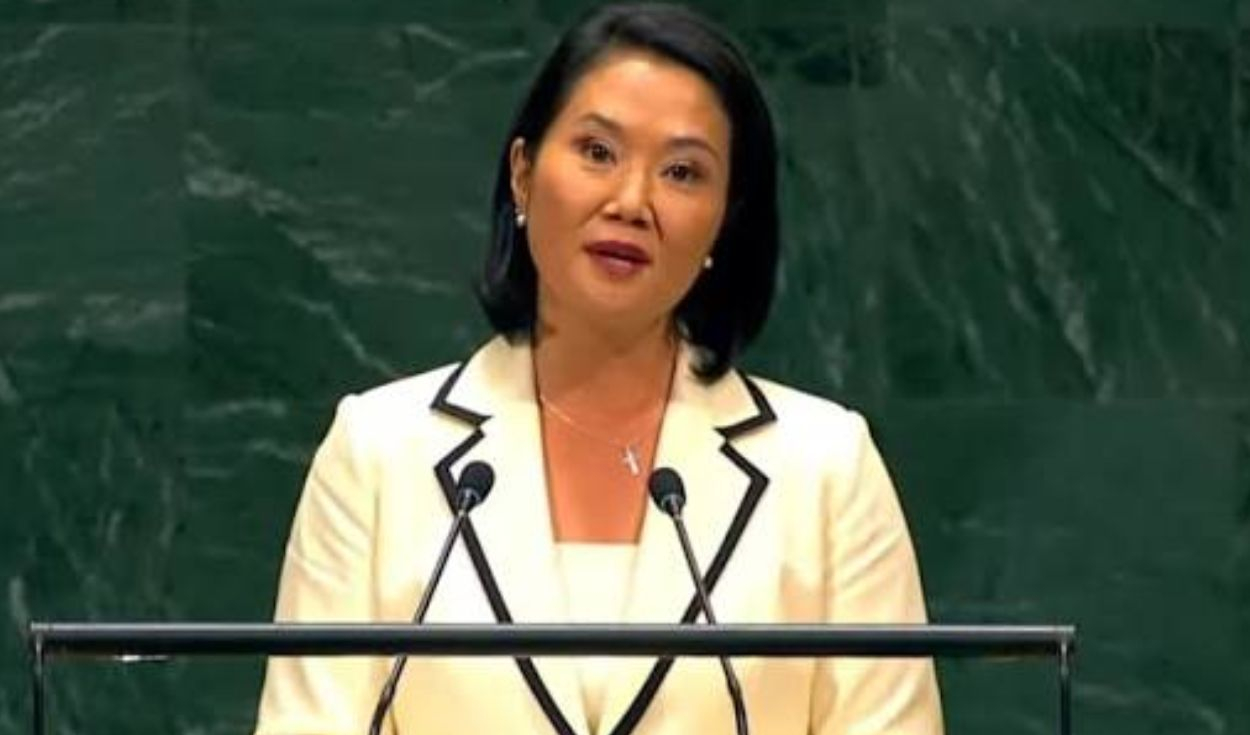
Peruvian President Keiko Fujimori addressed the United Nations General Assembly in New York, rejecting foreign cultural agendas and demanding that criminal gangs operating in the country be legally classified as terrorist organizations.
Speaking during the high-level general debate, Fujimori identified rising crime as one of the primary threats facing Peru and argued that legal changes are required to enable full military involvement alongside the National Police.
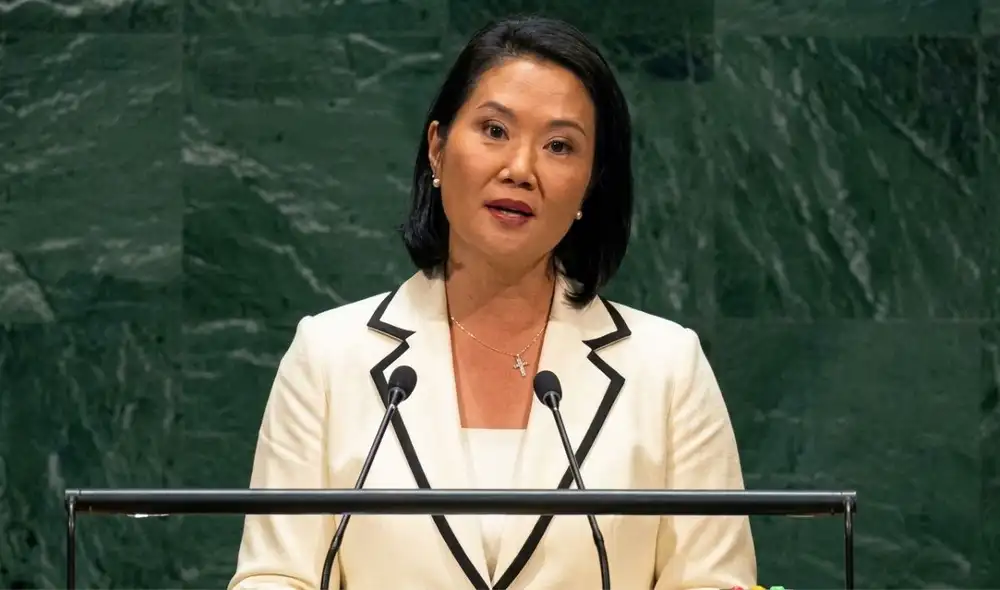
Fujimori urged the international body to recognize both national and transnational criminal networks as terrorist groups. She argued that establishing this legal status would formally define organized crime as a threat to the democratic state and provide the necessary legal authorization for Peru's Armed Forces to support police in restoring domestic order.
To strengthen regional security efforts, Fujimori highlighted Peru's recent entry into the Shield of the Americas, a regional cooperation initiative designed to combat transnational crime across the Western Hemisphere.
Education and classroom discipline
Turning to domestic education policy, Fujimori criticized what she described as ideologically driven cultural agendas that generate division among the population, stating that her administration firmly rejects such external influences.
She said an ideological cultural agenda alien to Peruvian reality has caused widespread confusion and disorder in schools. According to Fujimori, the situation has reached a point where classroom teachers are unable to enforce order or discipline because they face the constant threat of legal complaints from parents or authorities.
Fujimori stressed the need to restore respect for security in the educational system, saying students must be able to learn and teachers must be allowed to teach without fear. She added that combating crime requires broader structural changes, noting that security policies must be paired with educational reform to address the root conditions driving criminal expansion rather than relying solely on repressive measures.
Criticism of international response
Fujimori also directed criticism at the international community for its historic handling of Peru's domestic crises. She stated that Peruvians have not always felt supported by foreign nations during the country's most challenging moments.
She said international partners have a responsibility to act with firm resolve, adding that during critical turning points Peruvians did not always find the empathy or commitment to foundational principles expected from the global body. The international community, she said, only fulfills its true purpose when it stands by nations during their hardest trials.
Background and legal framework
The annual gathering of the United Nations General Assembly brings together world leaders and diplomats at UN headquarters to discuss global security, governance, and economic development. Under Peruvian law, internal security is primarily managed by the National Police of Peru, while military deployment for domestic law enforcement typically requires executive emergency decrees or specific legal authorization.
Fujimori indicated that her administration will continue pursuing educational reforms alongside its anti-crime strategy to strengthen state institutions against organized crime.