


Scientists at Harvard University and the Broad Institute of Massachusetts have kept human brain organoids alive in the laboratory for nearly six years.
The milestone shatters the previous record of 694 days, or roughly two years, for the longevity of laboratory-grown brain tissue. The organoids demonstrate that synthetic neural structures can continue to mature and age over extended timeframes.
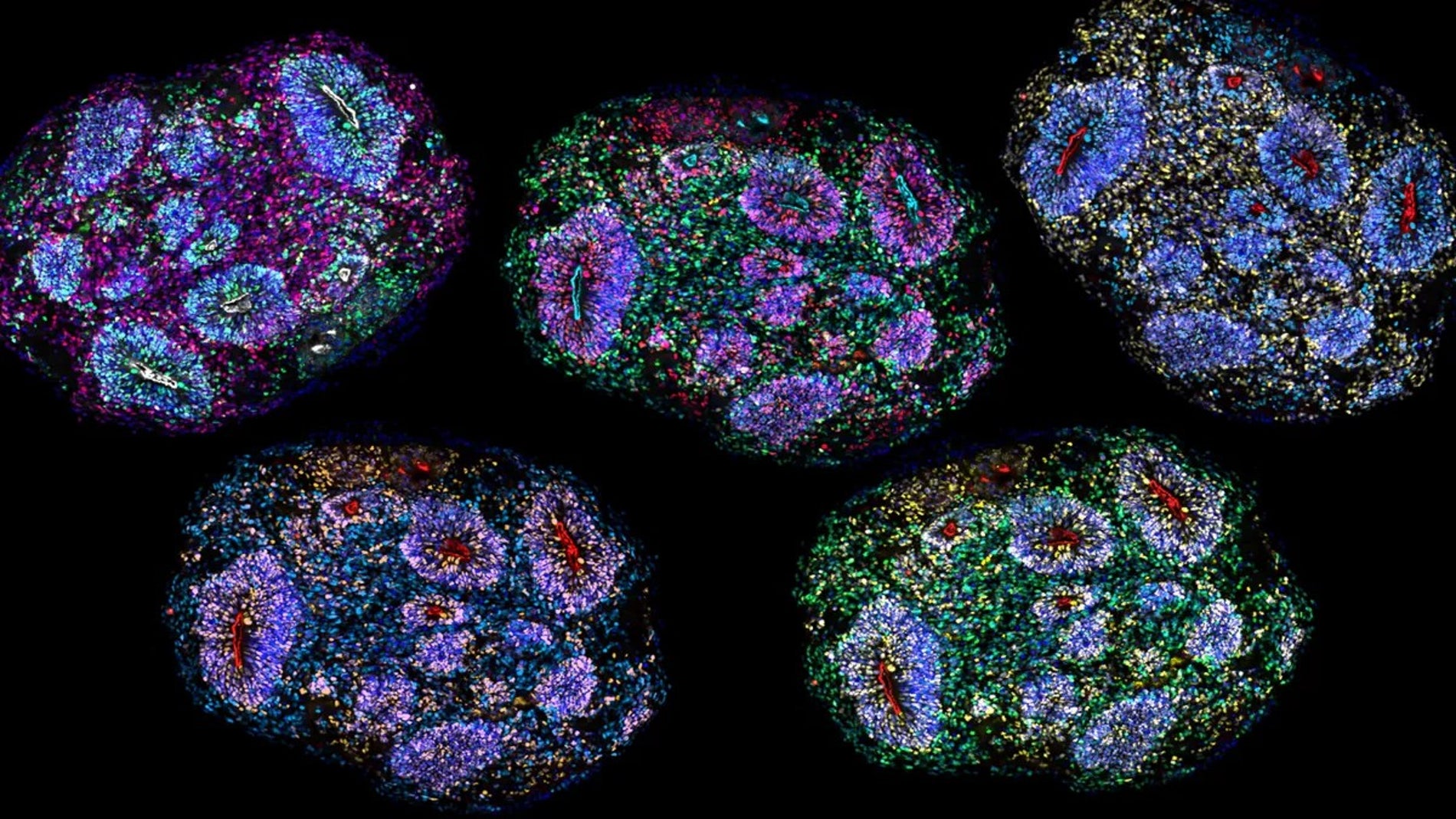
Brain organoids are three-dimensional cell structures cultivated in laboratories to allow researchers to examine human organs and their biological processes in a synthetic environment. The mini-brains are small spheres of neurons roughly the size of a peppercorn. Despite their minimal size, they can grow, establish neural connections, and transmit electrical signals that mirror those seen in a developing human brain.
Researchers confirmed that the organoids are not conscious and cannot think. However, the living tissues appear to track the passage of time in a manner similar to cells in a natural human brain, altering their biological behavior as they grow older.
Dr. Paola Arlotta, a professor at Harvard University and lead author of the study, said researchers previously did not know how far the development and maturation of human brain tissue could proceed outside the head. She explained that the study proved organoids can not only survive long-term but also continue changing, developing, and maturing over periods never previously attained.
Maturation and Genetic Changes
The research team submitted their findings for publication in the scientific journal Nature, as reported by IFLScience. The investigators noted that their experiment has continued beyond the six-year mark, with some brain organoids now remaining viable after more than seven years in the laboratory.
Genetic expression analysis revealed that as the organoids aged, new neurons emerged and matured alongside glial cells. Glial cells are specialized supporting structures that nourish and protect neurons in the brain. Over time, the organoids formed functional networks and fired electrical impulses comparable to those in human brain tissue.
Irene Faravelli, a postdoctoral researcher at Harvard, said the brain does not develop in isolation but as a complex organ interacting with numerous biological systems. She noted it was uncertain whether a simplified laboratory model could mirror natural brain development across so many dimensions, adding that the results surprised the team.
Cellular Memory and Future Research
During testing, scientists extracted neurons from older organoids and transplanted them into younger organoid cultures. The transferred cells maintained a development trajectory matching their original organoids. Researchers said this demonstrated that the cells retain a physical record of their own developmental history.
The findings offer broad opportunities for biomedical research, disease modeling, and drug development. Moving forward, the research team plans to refine techniques to grow brain organoids more rapidly. Dr. Arlotta said the ultimate objective of the work is to unlock an entire spectrum of human brain biology that science has never been able to observe before.


