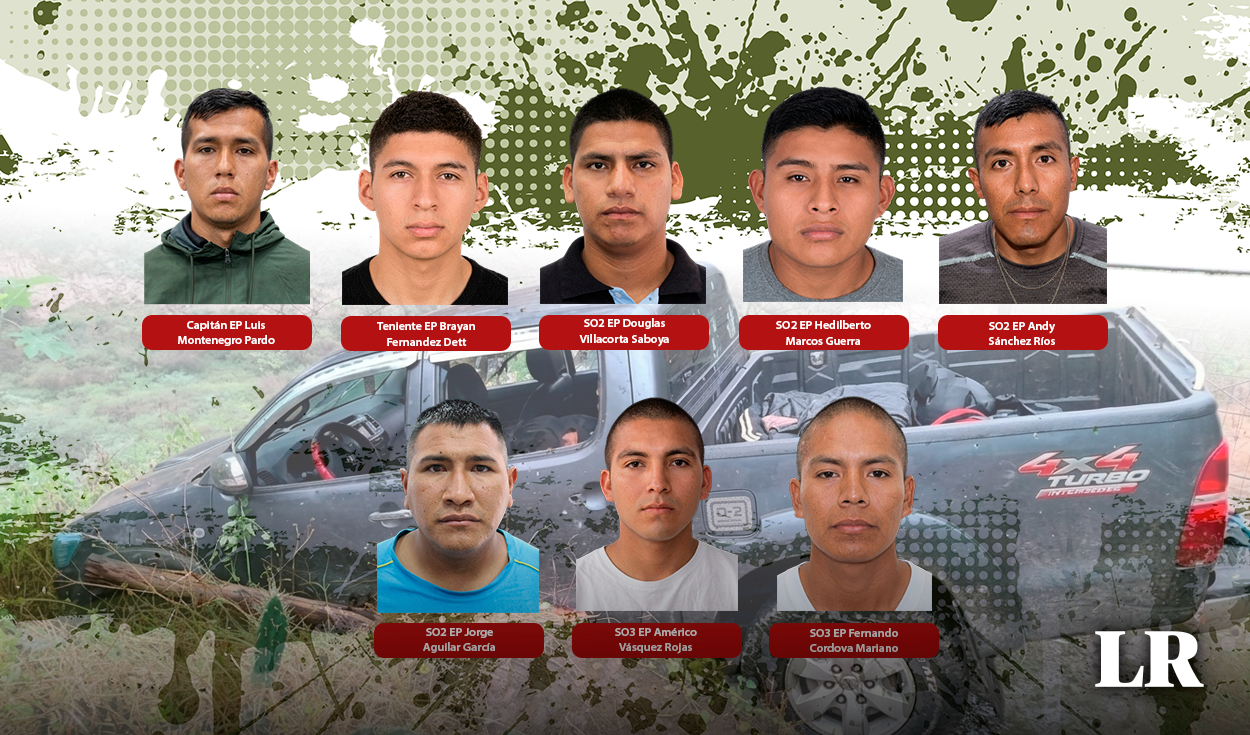
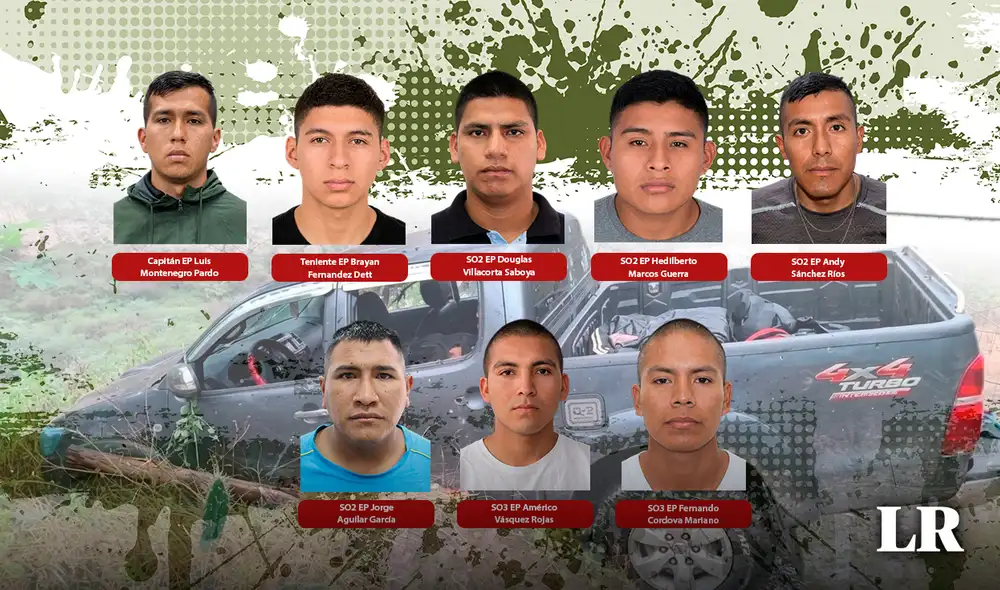
The First Criminal Appeals Chamber of Huancayo released eight Army patrol members accused of killing five unarmed civilians on April 25 in Colcabamba. Magistrates Walter Chipana Guillén, Roberto Meza Reyes, and Julio Lagones Espinoza granted the appeal filed by the military personnel, revoking a 12-month preventive detention order.
The judges ruled that the soldiers do not represent a danger or a flight risk. As a result of the court ruling, the eight officers will be allowed to remain at their military barracks while the legal proceedings against them continue.
During the April 25 incident in Colcabamba, located in the Huancavelica region, the patrol fired between 60 and 90 times using long-range war rifles at eight occupants traveling in a pickup truck. The shooting left five civilians dead and three others injured.
Silence and Crime Scene Manipulation
During initial fiscal interrogations, all eight patrol members exercised their right to remain silent. Prosecutors reported that the soldiers refused to answer questions in an effort to obstruct the investigation into the quintuple homicide.
When appearing before the appeals chamber, all eight defendants broke their silence to justify their actions, claiming they fired their assault rifles in self-defense. However, official forensic reports concluded that none of the deceased victims possessed weapons.
The defendants did not explain to the court why they chose to use long-range assault rifles against unarmed civilians. None of the eight uniform members accepted responsibility for the deaths during the hearing.
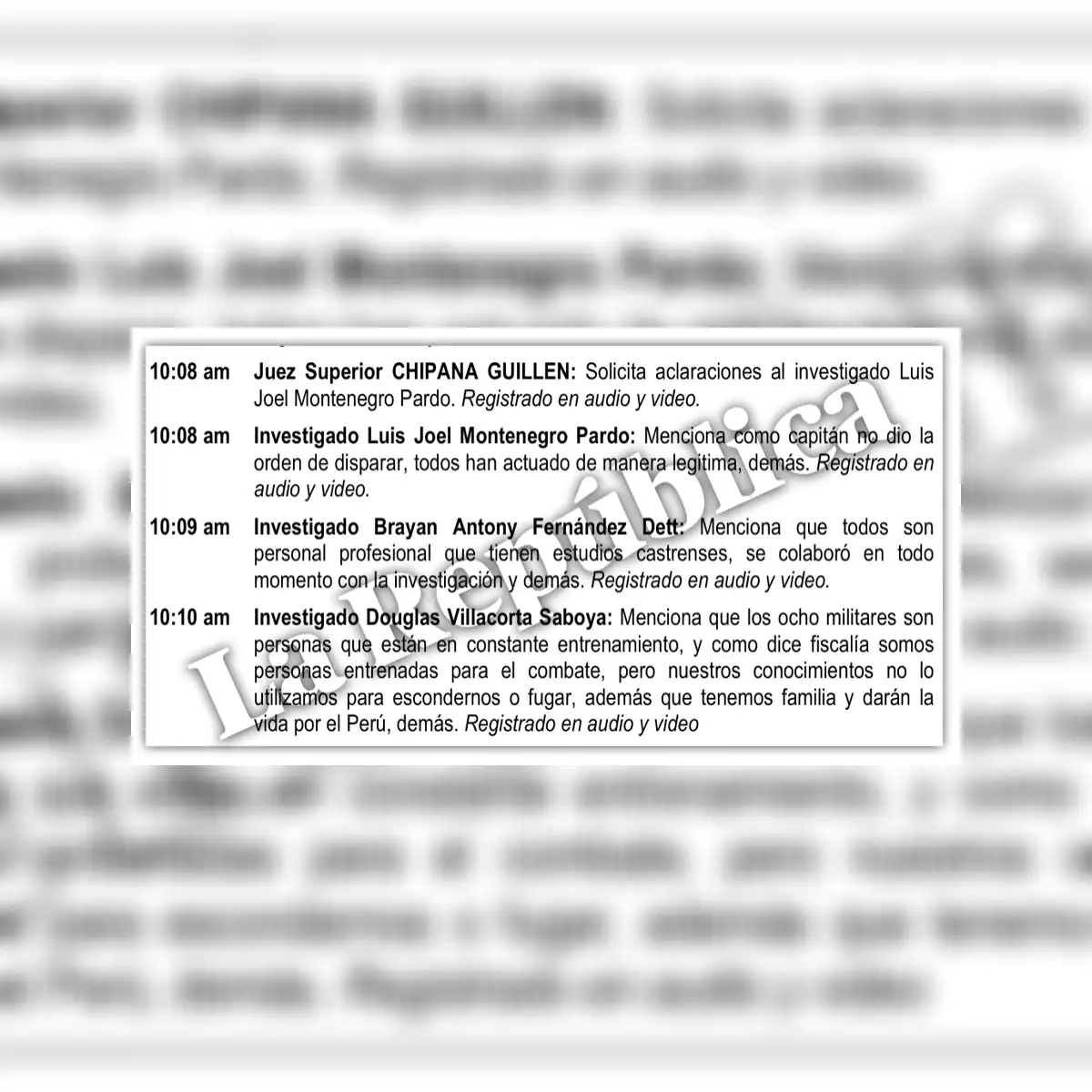
Patrol leader Captain Luis Montenegro Pardo stated in the court resolution that he did not initiate the plan to kill the five civilians and did not give an order to open fire. Montenegro claimed that all members of the patrol acted legitimately.
Captain Montenegro's direct superior, Major José Cayao Vásquez, denied giving authorization to shoot to kill. Major Cayao stated that Captain Montenegro was solely responsible because he was the patrol leader and the senior officer present at the scene.
Lieutenant Brayan Fernández Dett, the second officer of the patrol, argued that all defendants were trained military professionals who cooperated with investigators at all times. His statement contradicted fiscal reports indicating that patrol members altered the crime scene by planting spent bullet casings to simulate an exchange of gunfire.
Defense Arguments in Court
Patrol member Douglas Villacorta Saboya told the court that the eight soldiers undergo constant combat training, but insisted they do not use their skills to hide or flee. He added that they have families to maintain and would give their lives for Peru.
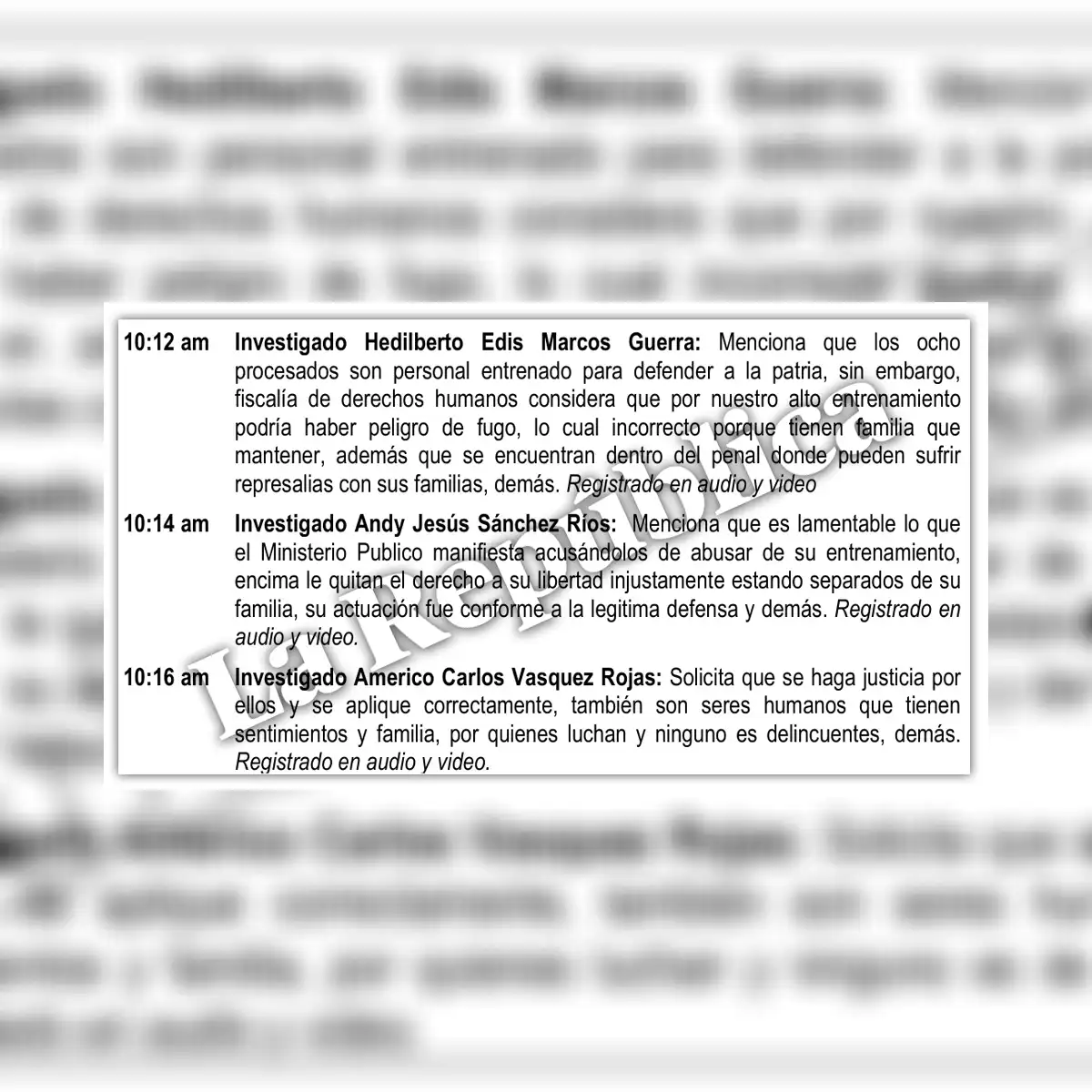
Patrol member Hedilberto Marcos Guerra stated that all eight defendants were trained to defend the nation. He argued that the human rights prosecutor's office incorrectly treated their military training as a flight risk, noting that they have families to support and faced potential reprisals while held in prison.
Patrol member Andy Sánchez Ríos repeated the defense claim, stating that prosecutors unfairly accused them of abusing their training. He stated that their freedom was unjustly taken away while separated from their families, maintaining that their actions strictly conformed to self-defense.
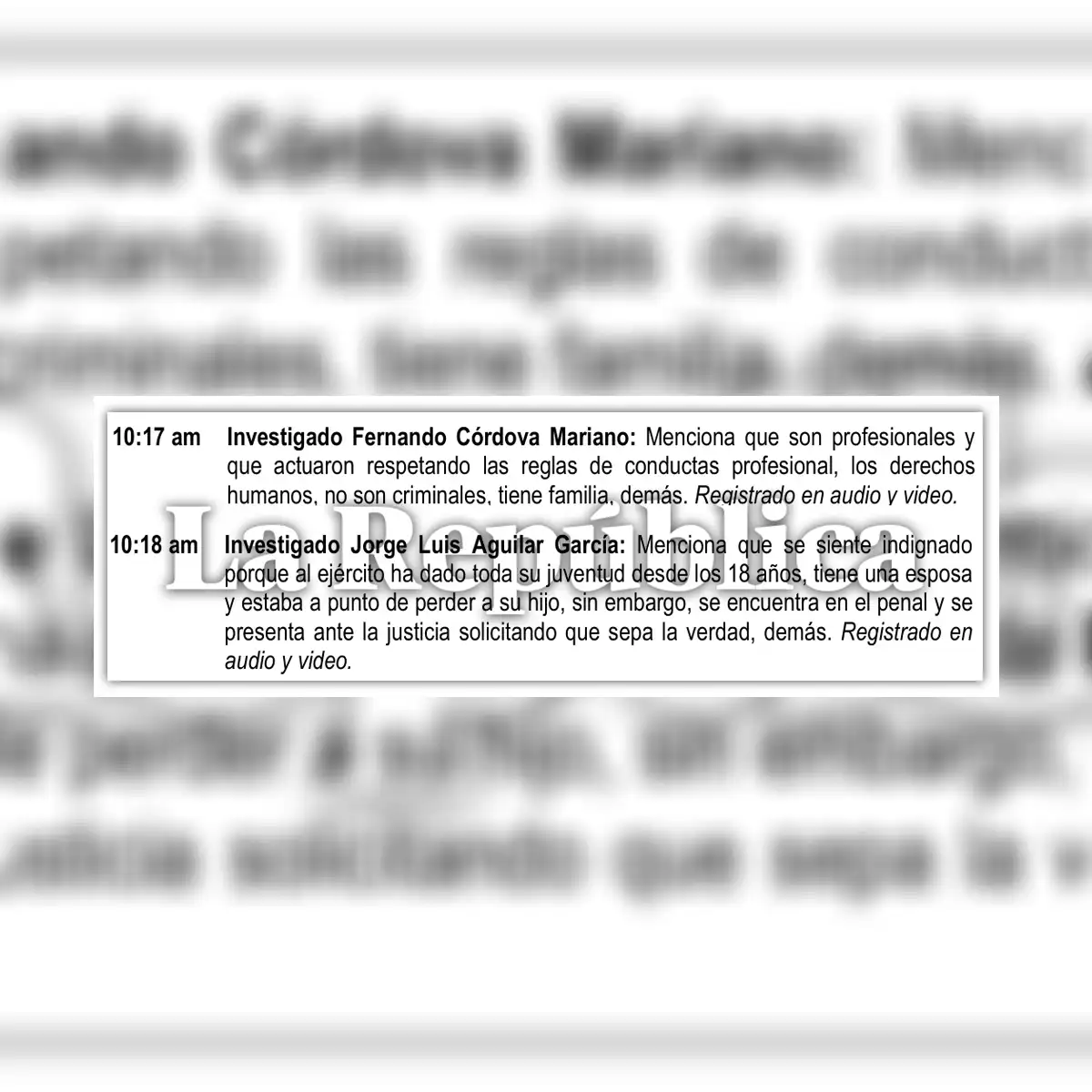
Patrol member Américo Vásquez Rojas requested justice from the court, stating that the soldiers are human beings with feelings and families, and that none of them are criminals. Patrol member Fernando Córdova Mariano similarly stated that they are professionals who acted in accordance with rules of conduct and human rights.
Forensic Reports and Fatal Shots
Patrol member Jorge Aguilar García did not identify the superior who ordered him to shoot unarmed civilians. However, he expressed indignation to the court, stating he had dedicated his youth to the Army since age 18, had a wife, was about to lose his child, and appeared in court to demand the truth.
Forensic autopsies revealed that the five civilians died from short-range gunshot wounds, with most sustaining fatal bullet impacts to the head and chest. Investigators noted that the location of the bullet wounds demonstrated a clear pattern applied by the defendants.
The driver of the 4x4 pickup truck, Colombian national Nilson Montenegro Valencia, suffered 51 bullet impacts that virtually shattered his skull. Co-pilot Cristian Vilcatoma Águila received 16 bullet impacts from war rifles.
Passenger Wilder Romero Sevipaucar received 12 bullet impacts when the vehicle plunged down a ravine. Testimonies gathered by prosecutors indicated that the soldiers continued firing after the crash to ensure no occupants survived.
Court Rationale for Release
Despite forensic evidence of brutal force, judges Walter Chipana Guillén, Roberto Meza Reyes, and Julio Lagones Espinoza accepted the appeal and ended the preventive detention of the eight patrol members.
The magistrates of the First Criminal Appeals Chamber of Huancayo based their ruling on assertions that the prosecution failed to provide specific and reasoned justification showing which of the eight defendants committed actions or omissions to alter the crime scene.
The court panel overlooked that Captain Luis Montenegro Pardo was the officer giving orders at the scene. If his seven subordinates acted to alter the crime scene, they did so under his direction while he knew the events fell under his direct responsibility.
Prosecutors were unable to individualize who manipulated the scene because the soldiers refused to answer questions during initial interrogations, protecting those responsible in order to hinder the criminal investigation.