


Wild honey from Nepal known as mad honey can trigger severe drops in heart rate and blood pressure when bought online, chemical ecologist Prayan Pokharel warned.
Pokharel, a researcher at the University of Hohenheim in Stuttgart, Germany, began investigating the substance after a friend's relative required emergency hospital care in Nepal about 30 minutes after consuming wild mountain honey.
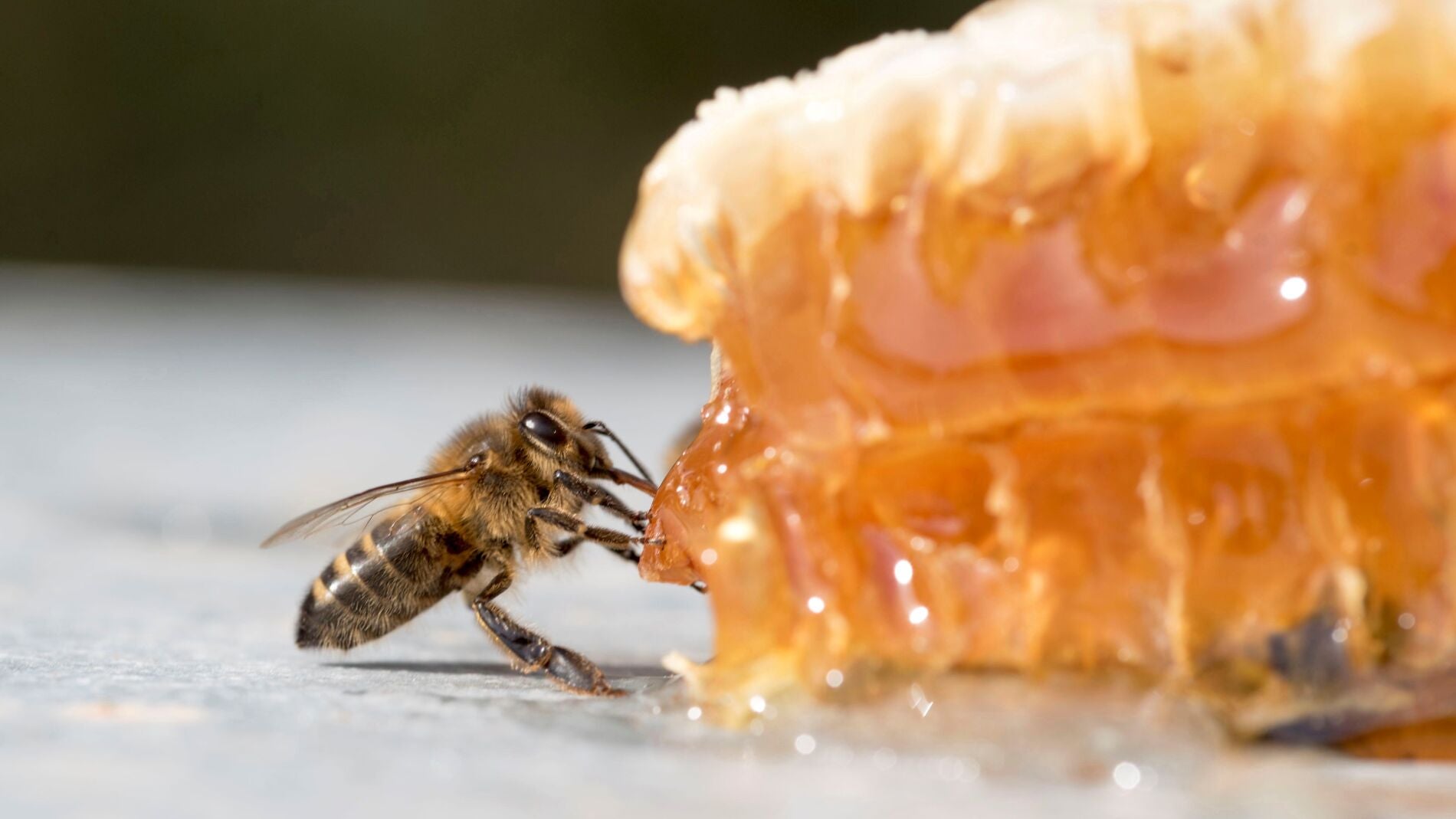
Medical staff found that the patient suffered a sharp collapse in blood pressure and a dangerous fall in heart rate, a condition linked to the consumption of mad honey, known locally in Nepal as bhir mauri ko maha.
Writing in a recent paper, Pokharel explained that the severe physiological reaction is caused not by the bees themselves, but by toxins originating from flowering plants.
Himalayan cliff bees and toxic nectar
The honey is produced by Apis laboriosa, the Himalayan cliff bee, which is recognized by biologists as the largest honeybee species on Earth.
These specialized bees construct massive open-air hives on vertical cliff faces in the Himalayan range, often at elevations reaching 4,000 metres above sea level.
During the spring flowering season, the cliff bees gather extensive quantities of nectar from wild rhododendron blossoms that grow across the high-altitude terrain.
Rhododendrons, a widespread genus of woody flowering plants in the heath family, naturally synthesize chemical defense compounds known as grayanotoxins to discourage herbivores from eating their tissue.
While the bees feed on the toxic nectar and carry it back to their hives, the chemical compounds remain intact, leaving the resulting honeycombs heavily concentrated with grayanotoxins.
Cardiovascular risks and physiological symptoms
Pokharel reported that grayanotoxins interfere directly with cellular sodium channels, which are specialized membrane proteins essential for transmitting electrical signals throughout human nerves and muscle tissue.
This disruption severely impairs cardiac function and the cardiovascular system as a whole.
Symptoms of grayanotoxin poisoning include severe dizziness, nausea, physical weakness, blurred vision, a sudden drop in blood pressure, and bradycardia, a medical condition defined as an abnormally slow heart rate.
In severe cases of intoxication, patients can experience cardiac rhythm abnormalities and complete blockages of the heart's internal electrical conduction system.
Evaluating the danger of any specific jar of mad honey is extraordinarily difficult because toxin levels fluctuate based on geographic location, harvest season, local rhododendron species, and environmental conditions during nectar gathering.
Pokharel noted that the physical impact cannot be calculated using a single universal dose, as a quantity that produces only mild flushing or light dizziness in one individual can trigger severe, life-threatening symptoms in another.
Traditional Himalayan usage and global trade
For centuries, mad honey has held an ambiguous reputation across Himalayan communities, where local populations have utilized it for its reported medicinal and psychoactive properties.
Indigenous communities, including the Gurung people of Nepal, hold extensive traditional knowledge regarding the harvesting and controlled consumption of the honey, including specific methods to minimize toxicity risks.
However, Pokharel warned that this ancestral knowledge does not travel with the product when it is commercialized beyond its cultural region.
Jars of Himalayan cliff honey are now available for purchase on international online commerce platforms, allowing global consumers to buy the foodstuff without knowing its toxin concentration or possessing local handling traditions.
Pokharel confirmed that clinical cases of grayanotoxin poisoning have already been recorded outside traditional harvesting regions, including confirmed incidents in France and Qatar.
Medical treatment and evolutionary mechanics
Grayanotoxin poisoning is well established in medical literature, with dozens of published medical studies identifying low blood pressure and heart rhythm disturbances as classic diagnostic features.
Medical treatment is primarily supportive and symptomatic.
When a patient's heart rate drops significantly, clinical protocols require the administration of intravenous fluids and atropine, a medication used to treat dangerously slow heart rates.
In cases involving severe electrical heart block, doctors may need to install a temporary cardiac pacemaker.
Pokharel described the phenomenon as an unexpected outcome of long-term biological evolution, where plants developed defensive chemicals over millions of years and insects evolved tolerance mechanisms to feed on them.
The defensive plant molecule passes from flower to bee to hive before reaching the human gastrointestinal and cardiovascular systems, demonstrating that mad honey is the product of a complex ecological interplay rather than a simple natural delicacy.
Pokharel cautioned that individuals who ignore this biological complexity and consume the honey risk an unwanted visit to the hospital emergency department.


