

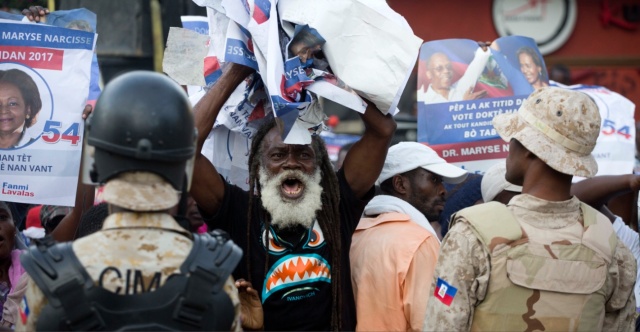
The Organization of American States has urged Haitian authorities on Wednesday to speed up voter registration for upcoming national elections as rampant gang violence and mass displacement threaten the vote.
Albert Ramdin, the secretary general of the regional bloc, warned at a press conference in Port-au-Prince that the electoral calendar requires urgent acceleration following his three-day visit to the Caribbean nation.
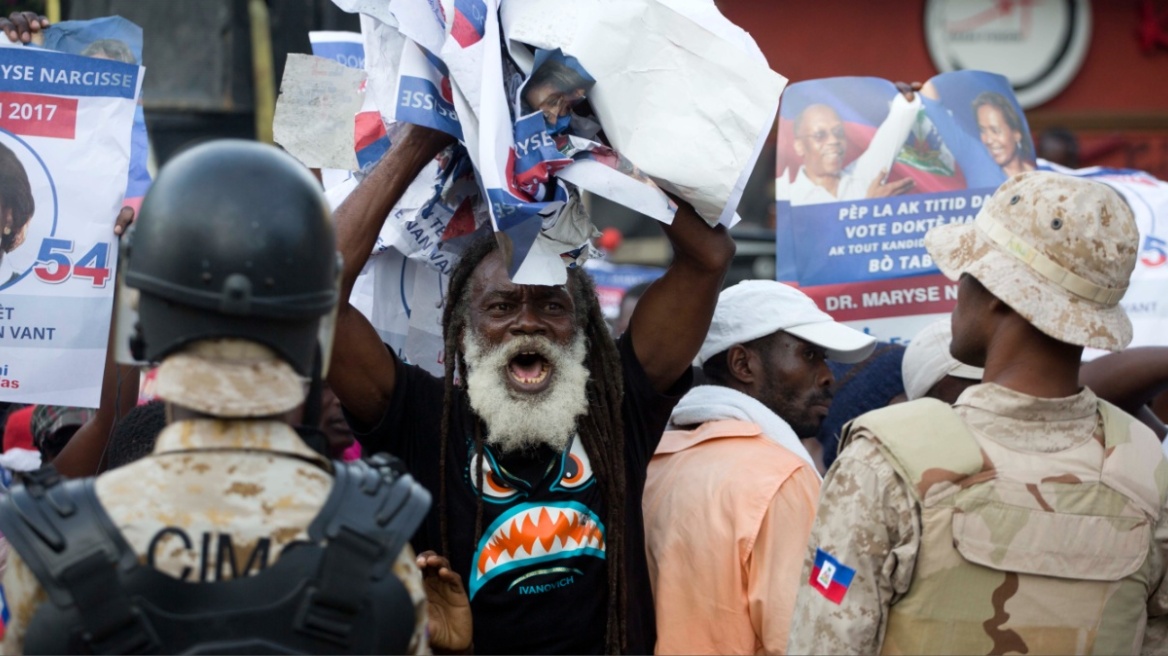
Officials face severe logistical hurdles less than four months before polls are scheduled to take place for the first time in a decade. Registration formally opened nearly a month ago, but only about 260,000 citizens had registered as of Monday out of a total population of roughly 11 million.
Many communities located in regions controlled by armed groups still lack operational voter registration centers. Affected areas include the West department, the Centre department, and the northwestern Artibonite department. Ramdin stressed that authorities must account for displaced citizens when preparing electoral infrastructure.
Impact of displacement and gang violence
Violence has forced nearly 1.5 million people to flee their homes inside the country, according to a June report by the International Organization for Migration, a United Nations agency. The agency noted that violent attacks are no longer confined to the capital city.
Haiti's provisional electoral council announced a revised schedule in late July, setting the first round of presidential and parliamentary elections for December 13, 2026. A runoff round is planned for February 21, 2027. However, council officials emphasized that voting can only proceed if security conditions across the country are deemed acceptable.
Ramdin insisted that authorities must ensure roads are open before election day so every citizen can reach voting locations, describing suffrage as a fundamental right. He acknowledged that meeting the tight timetable causes concern, adding that the regional organization will continuously evaluate security conditions and electoral progress.
Decade of political crisis
Haiti has not held elections since 2016, leaving the country without a democratically elected government for years. The last elected president, Jovenel Moïse, was assassinated in 2021 by a group of mercenaries at his private residence, and his post was never filled.
Transitional authorities previously announced an electoral timeline in December 2025 that aimed to hold votes on August 30, 2026. Persistent security failures and gang expansion made fulfilling that date impossible, forcing officials to postpone the process to December.
The Caribbean nation remains the poorest country in the Western Hemisphere, paralyzed by years of compounding political, economic, and security crises. Gang violence has escalated sharply in recent years, marked by widespread killings, kidnappings for ransom, sexual violence, and the forcible recruitment of children into armed factions.


