


The Extremadura Health Service has confirmed a second case of West Nile fever in the region in 48 hours. A 67-year-old woman from Valdetorres is in Merida Hospital.
The first case of 2026 was reported yesterday. An 86-year-old woman from the Don Benito-Villanueva de la Serena area was infected. She has been discharged and is at home.
In 2025, Extremadura recorded 39 cases and five deaths from the disease.
The health service has alerted managers across the region's eight health areas to monitor for symptoms. About 80 percent of West Nile virus infections are asymptomatic, which complicates detection and requires expanded diagnostic capacity.
Mosquito and tick surveillance
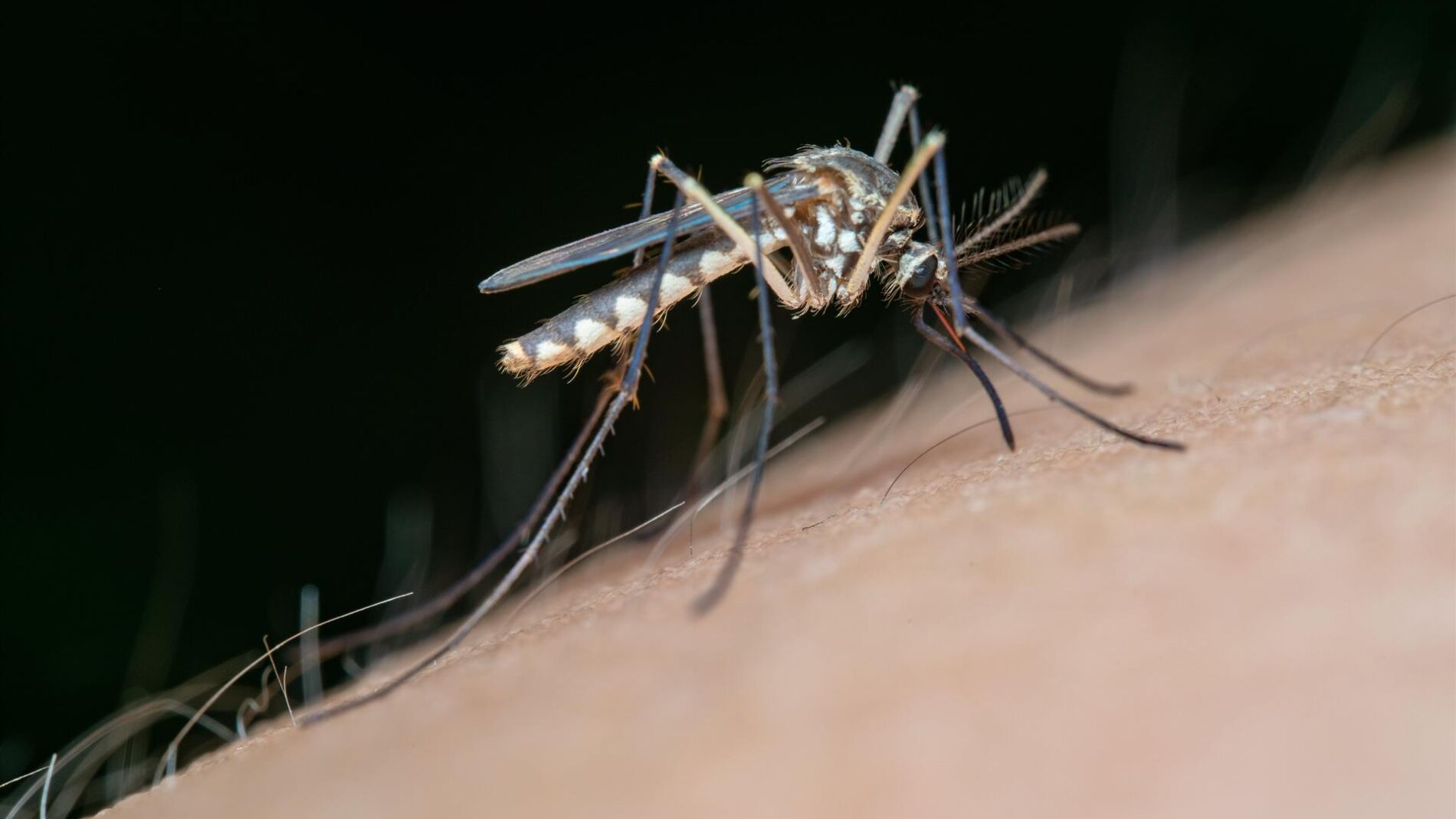
The Culex mosquito carries the disease. Extremadura has started a surveillance program for the insect for the first time this year.
The system uses 10 fixed traps and one mobile trap. Eight traps are in Don Benito and two are in Caceres. They will operate from mid-July until late October. The aim is to detect infected mosquitoes and the virus before more human cases occur.
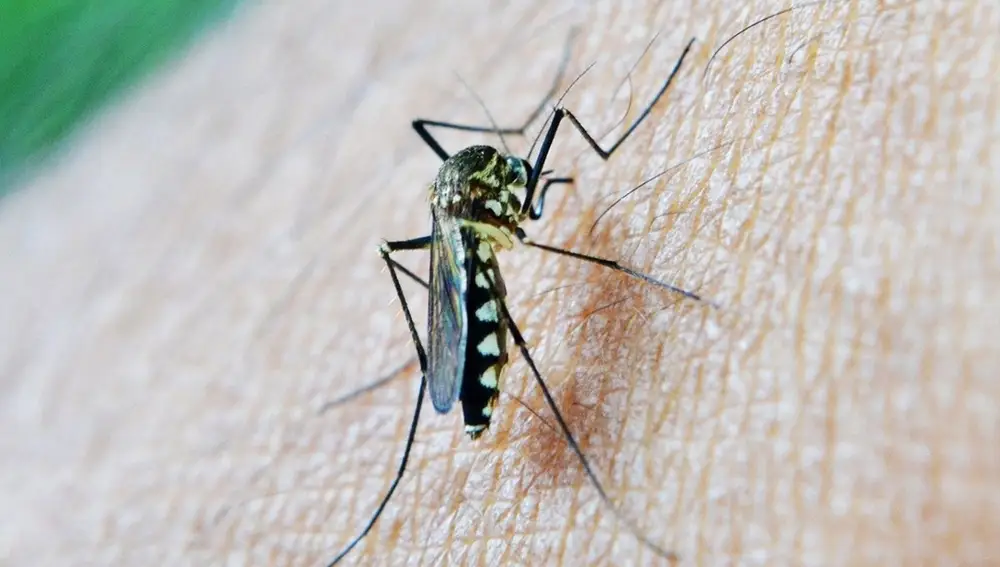
The health service is also monitoring the Aedes mosquito at 11 sampling points across the region. This mosquito does not have a stable presence in Extremadura, and the goal is to stop it settling.
The region has also launched a new pioneer system for tick surveillance this year. Primary care teams will identify ticks removed from patients at health centers and hospitals. They will record the tick genus, the risk of granuloma and any possible transmitted diseases.
To reduce the risk of insect bites, the health service recommends removing stagnant water around the home and installing mosquito nets on doors and windows. Residents should use authorized repellents, wear light colored clothes that cover as much of the body as possible, and avoid perfumed soaps.


