

Brazil Supreme Court President Edson Fachin has postponed a scheduled hearing into allegations regarding Justice Andre Mendonca amid an escalating internal crisis in the court.
The review had been scheduled for September 23, but no new date has been set. Fachin also cancelled the court's plenary session on Thursday afternoon as deep divisions among the justices disrupted regular judicial proceedings.
The postponed proceeding focuses on allegations raised by Justice Alexandre de Moraes concerning Mendonca's conduct while serving as the rapporteur for cases involving the Master and INSS files.
According to CNN Brasil political analyst Teo Cury, delaying the session was considered a logical move. Cury noted that the court could not evaluate Mendonca's conduct without first addressing the outstanding issues involving Moraes himself.
Behind the scenes, Fachin's intervention is seen as an attempt to send a conciliatory signal to the faction of justices aligned with Moraes, while trying to reorganise the tribunal in the face of an unprecedented institutional rift.
Escalating tensions on the bench
Despite Fachin's gestures, sources speaking to CNN Brasil said there is no indication the internal dispute will subside in the near future. On the contrary, open hostility among the justices suggests the confrontation is intensifying.
The rift has spilled into public view through hostile exchanges on social media, official statements issued from ministerial chambers, and reciprocal decisions to lift secrecy on confidential court files.
Cury said that one justice warned the situation was poised to deteriorate further. The acrimony reached a point where conducting regular business became impossible, forcing the cancellation of Thursday's afternoon sitting while Fachin opened direct talks with colleagues to find a way past the gridlock.
The disruption mirrors events from the previous week, when Fachin similarly cancelled an ordinary plenary session to consult with fellow judges. During that earlier round of talks, he implemented several measures, most notably removing Moraes from his position leading the inquiry into fake news.
Resistance to mediation efforts
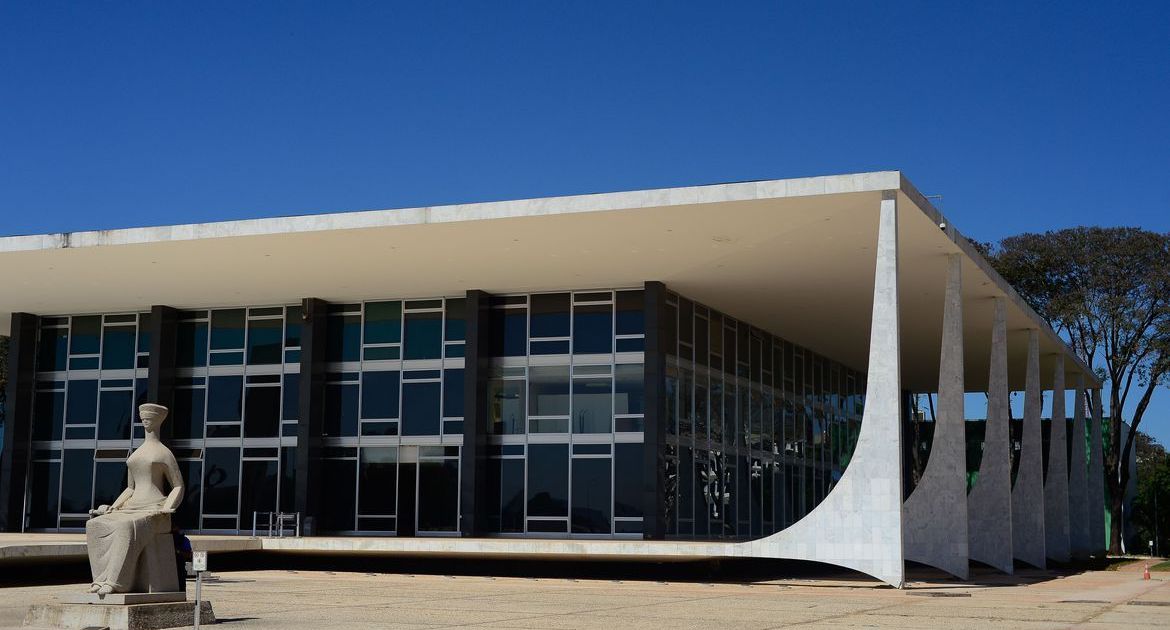
The Federal Supreme Court, known in Brazil as the Supremo Tribunal Federal, is the country's ultimate constitutional authority. Composed of eleven justices who are nominated by the president and confirmed by the Senate, the bench holds vast sway over the nation's legal and political life, making internal dysfunction a major institutional concern.
Fachin's efforts to broker an internal resolution have encountered stiff resistance across the bench. Reporting by CNN Brasil indicates that the president's outreach has secured almost no traction among the other members of the court.
The leadership's current plan appears to be deferring the most sensitive decisions until after Brazil's upcoming municipal elections. However, court observers question whether a sufficiently stable political climate will emerge to allow the justices to vote on the divisive matters even after the voting concludes.