Archaeologists in the Dominican Republic have overturned a long-held belief that Christopher Columbus was once imprisoned in a pit inside the Fortaleza in Santo Domingo's Colonial City, according to findings presented at a conference organized by the country's Heritage Office (Dirección de Patrimonio). The pit, researchers found, was actually a brick and tile kiln.
The findings also showed that Columbus, referred to in the source material by his title as the Admiral of the Ocean Sea, was only ever granted permission to build a small house on Calle Arzobispo Portes. His son had more comfortable quarters, settling instead in the Alcázar, the residence built for Diego Columbus in the Colonial City.
The research was presented during the Jornada de Arqueología en Entorno Urbano, an urban archaeology conference held by the Heritage Office. Organizers said the event showed that preventive archaeology in historic centers extends well beyond the discipline itself, touching on sociology, urban planning, geography, and construction and development.
Findings beyond the Colonial City
The Colonial City of Santo Domingo, recognized as a UNESCO World Heritage Site and considered the oldest European settlement in the Americas, was not the only area discussed. Organizers pointed to findings at La Caleta that forced a construction project to be relocated. Work is continuing at 59 archaeological sites spread across the Dominican Republic, and officials said more archaeologists, and more sessions like this one, are needed.
Not dissident hideouts
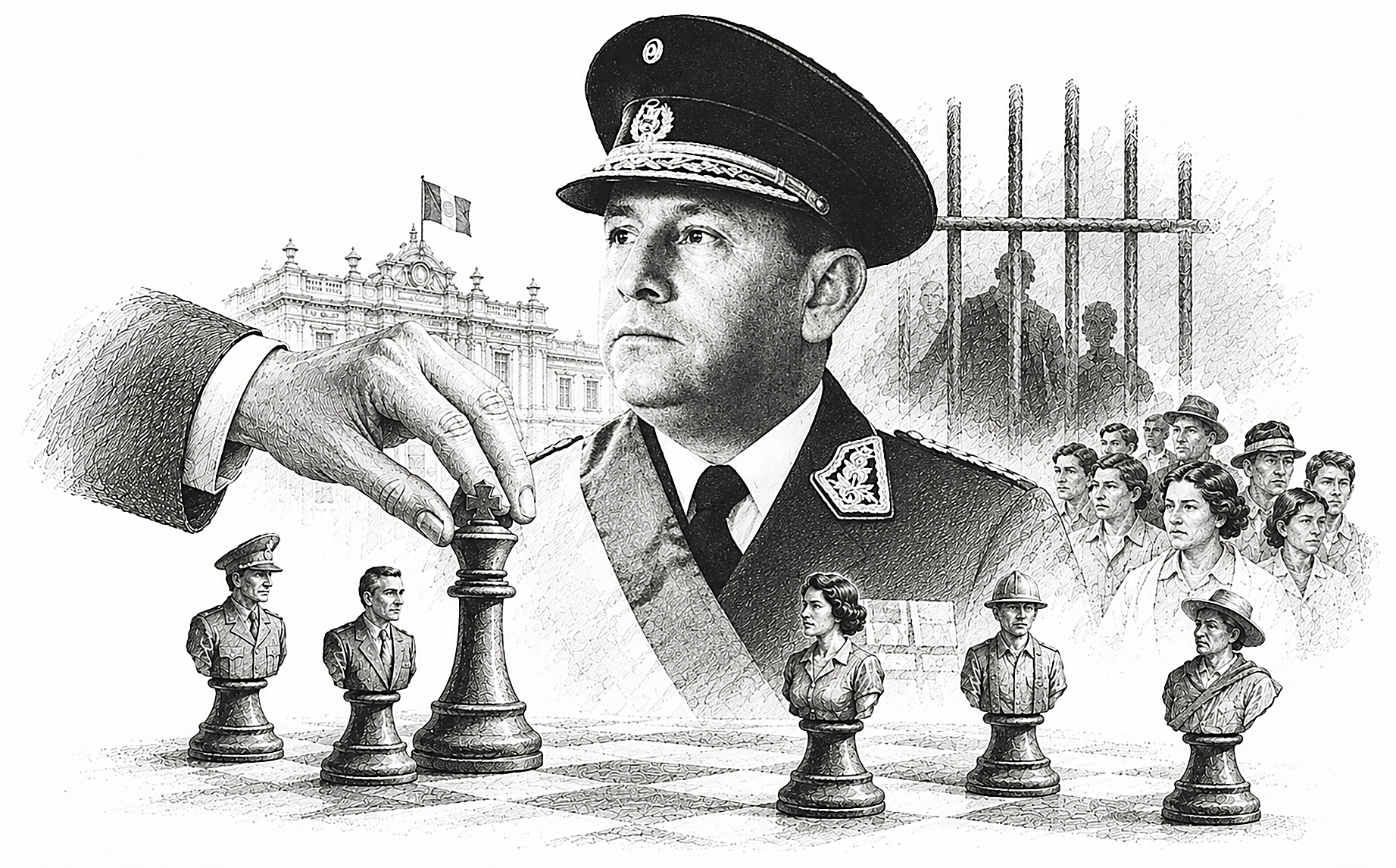
The conference also addressed the mysterious pits found beneath some homes in the Colonial Zone, dismissing the idea that they were used to hide dissidents during the era of Rafael Trujillo. Researchers said the pits were originally dug to extract sand and earth for building walls, since there was no money to build them from stone. They were later used as household trash pits before being sealed to make way for new sections of the houses.
Ongoing investigations
A house on Calle Las Damas, where work is currently underway for the Centro León, was found to have had a commercial and rental-housing history, possibly making it the first boarding house in Hispanic America, according to the findings. On Calle Espaillat, an investigation is ongoing after discoveries from the republican era left researchers puzzled, though no further details were disclosed.