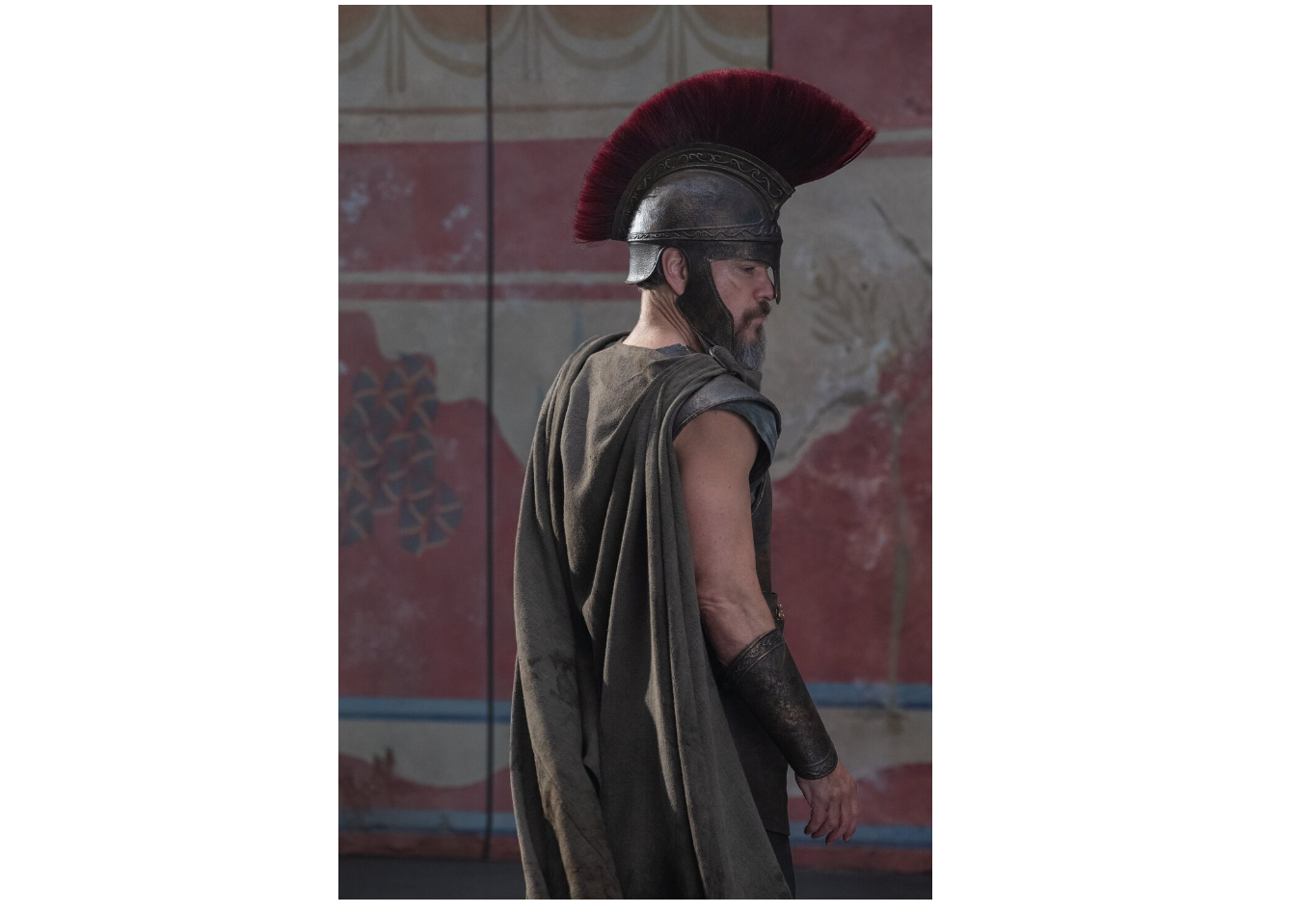
Guest columnist Diego Alonso Sanchez published an analysis of Homer's Odyssey with 247 News Agency, challenging the traditional moral standing of its hero Ulysses.
Sanchez wrote that a critical reading of the ancient epic poem reveals embedded cultural discrimination, patriarchal double standards, and destructive personal ego behind the actions of the mythical Greek king.
Writing in an opinion piece on Sunday, Sanchez argued that readers often overlook how the narrative portrays non-Greek societies and female characters, elevating Ulysses despite his moral failings.
Homer's Odyssey is an ancient Greek epic poem that details the ten-year journey of Ulysses, king of Ithaca, as he returns home following the Trojan War. It remains one of the foundational works of Western literature.
Cultural prejudice against Polyphemus
According to Sanchez, cultural discrimination features prominently in the poem, particularly in the famous encounter between Ulysses and the Cyclops Polyphemus. The Homeric perspective contrasts the monstrous characterisation of Polyphemus with the supposed cultural superiority of Ulysses.
The writer noted that Homeric tradition views the Cyclopes as an inferior people because they live without the laws, institutions, and customs of Greek city-states. Ulysses explicitly described them as lawless beings, reflecting contempt for a society different from his own.
Although traditional interpretations celebrate Ulysses for using trickery to escape the cave after several companions were killed, Sanchez pointed out that the conflict began when strangers invaded Polyphemus's home. The Greeks entered without permission, consumed his provisions, and demanded hospitality.
In ancient Greece, xenia represented a sacred duty to offer food, shelter, and protection to foreign visitors. Sanchez stated that Polyphemus reacted to an invasion of his property, yet his perspective is rarely considered when judging the clash of cultures.
The column argued that judging different cultural habits with prejudice continues to cause conflicts and wars in modern times. Sanchez added that Polyphemus's plea for vengeance to his father Poseidon was an understandable search for justice after being blinded, deceived, and humiliated by Ulysses.
Poseidon's subsequent punishment of Ulysses serves as a narrative warning against pride, arrogance, and prejudice toward unfamiliar societies, according to the analysis.
Arbitrary standards of marital fidelity
Turning to domestic relationships, Sanchez highlighted the contrasting standards of marital fidelity imposed on men and women during Ulysses's twenty-year absence from Ithaca.
While queen Penelope used clever strategies to resist pressure from suitors who believed the king was dead, palace female slaves formed relationships with the suitors and were later harshly punished upon the monarch's return.
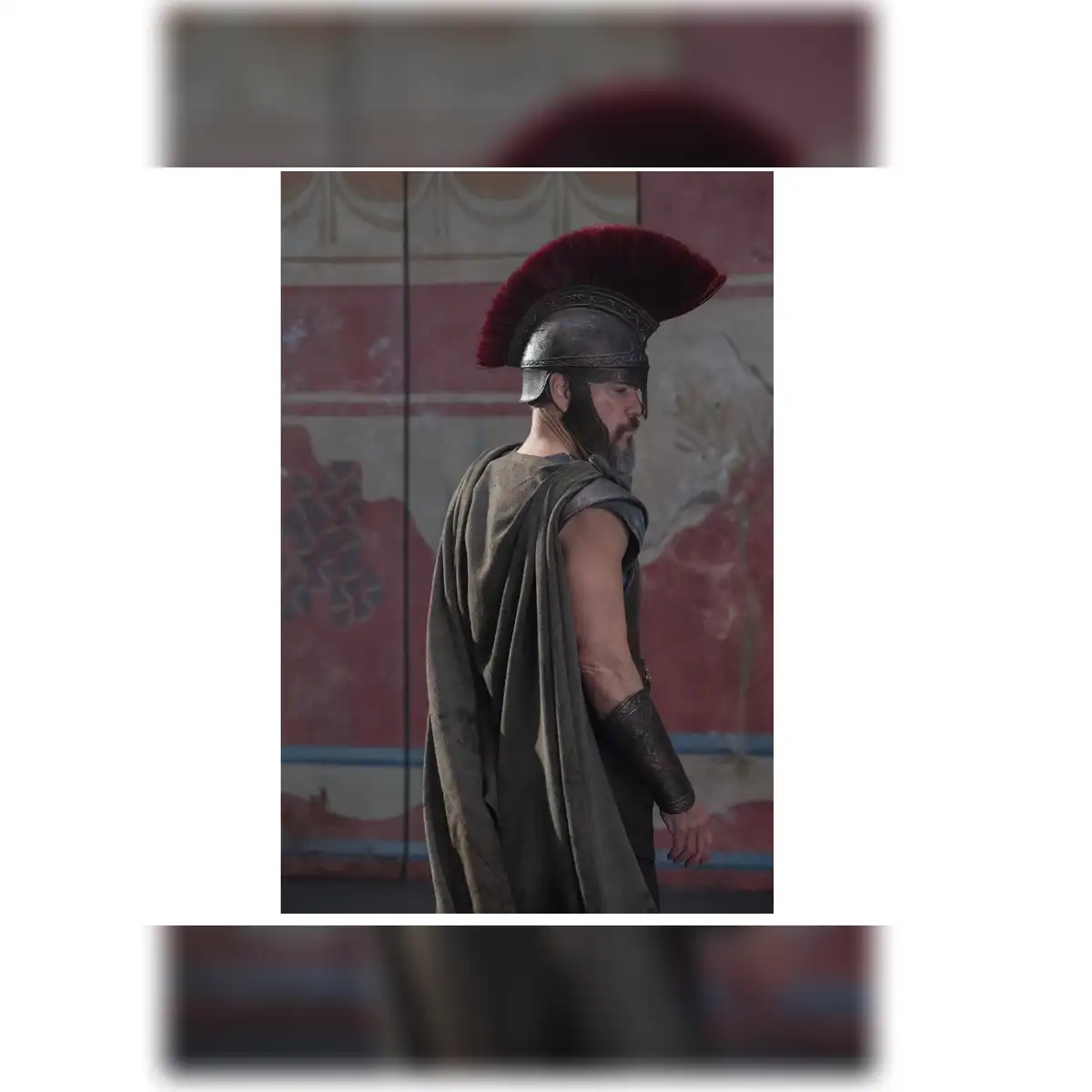
Sanchez noted that while Penelope is celebrated as a model of perseverance, Ulysses engaged in relationships with the sorceress Circe and lived for years with the nymph Calypso. Though the epic repeatedly emphasizes his desire to return home, modern readers would view these actions as infidelity.
The article explained that the poem reflects a patriarchal society that granted men privileges denied to women. Circe and Calypso are presented as obstacles and seductive women with extraordinary powers rather than as moral failings on the part of Ulysses.
The double standard becomes most visible during the climax, according to Sanchez. Ulysses returns disguised as a beggar, wins the archery contest to prove his claim to the throne, and executes both the suitors and the female slaves who supported them.
Sanchez observed that female fidelity is treated as a mandatory obligation in the text, while male transgressions are minimized or framed as struggles for power. Even Telemachus commands his mother to return to her rooms and leave public matters to men, demonstrating the subordinate position of women.
Flawed hero and educational value
The columnist argued that the enduring appeal of the Odyssey lies in its complexity. Homer presents Ulysses not as an ideal moral figure, but as a deeply flawed human being who combines bravery and intelligence with selfishness, pride, and prejudice.
Sanchez pointed to Ulysses's decision to boast and reveal his true name to Polyphemus as evidence of an overbearing ego that endangered both himself and his crew purely for personal glory.
In conclusion, Sanchez stressed the value of bringing critical discussions of the epic into modern classrooms. Examining the contradictions and conflicts within classical literature allows readers to analyze contemporary societal problems through historical works.