


Cuba suffered a major electrical blackout across four of its five eastern provinces after power transmission lines fluctuated on Thursday.
The National Electrical Energy Company, known as UNE, reported that an oscillation in transmission lines caused the abrupt shutdown of all three operational thermoelectric power plants in eastern Cuba. The failure severed electricity grid connections to the provinces of Holguín, Granma, Santiago de Cuba and Guantánamo.
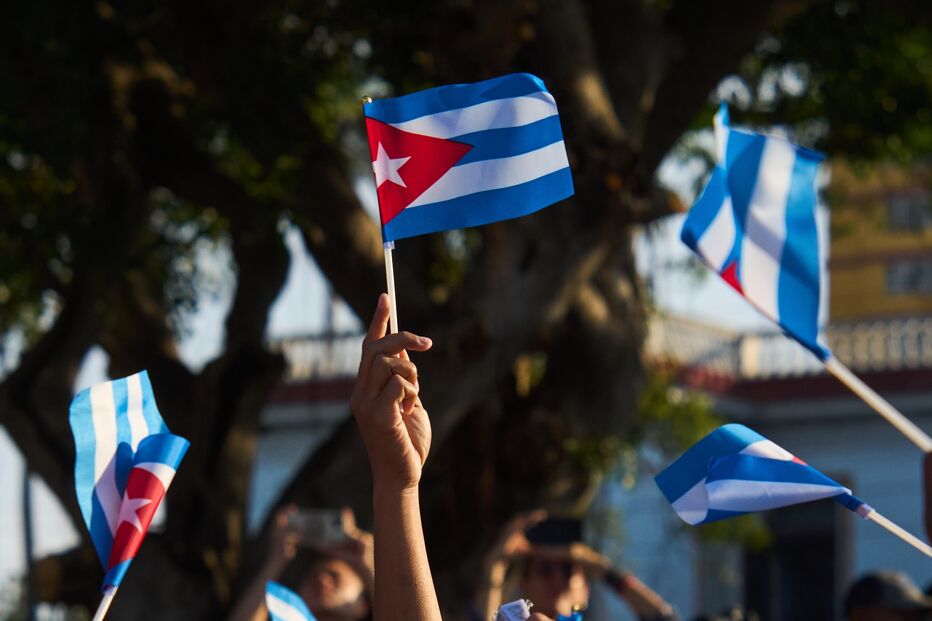
Cuba is a Caribbean island nation of 9.4 million residents that relies heavily on thermoelectric generation. Power stations burn heavy fuel to supply the national grid, but fuel shortages have left the system fragile and prone to cascading failures.
Worsening energy crisis
The latest outage comes as Cuba faces a severe energy crisis that has reached its peak in recent months. The island has recorded seven total blackouts so far in 2026, with nationwide power cuts averaging approximately 20 hours each day.
Officials attribute the ongoing shortages to a de facto fuel embargo imposed by Washington since January. The United States restrictions have blocked fuel shipments to the island, severely restricting power generation across all 15 Cuban provinces.
Despite the widespread electricity shortages and associated transport difficulties, the Cuban government announced that the upcoming school year will begin as scheduled on September 1.
Impact on the school year
Education Minister Naima Trujillo acknowledged during a press conference that reopening classrooms presents a major obstacle under current conditions. She said that the biggest challenge of the academic year will simply be getting it to happen.
Trujillo explained that schools will implement flexible policies regarding student uniforms and daily attendance schedules. The measures aim to ensure that all 1.4 million children and young people across Cuba can participate in classes despite transportation and power disruptions.
The energy crisis already disrupted the previous academic year, forcing schools to end classes early in June. Prior to that early closure, education authorities had introduced contingency plans across all sectors, including hybrid learning models that combined in person instruction with remote lessons for certain grade levels.
Teacher shortages and school preparations
In addition to power cuts, a shortage of classroom educators threatens the start of the school year. Trujillo reported that qualified teaching staff currently covers 73 percent of required positions, amounting to just over 21,000 teachers.
To fill the remaining teaching slots, authorities are deploying university students and professionals from other economic sectors. The staffing gap is most severe in Havana, the capital city located in western Cuba, where approximately 3,000 teachers from the eastern provinces are being relocated to reinforce local schools.
The educational crisis has drawn international concern. UNESCO, the United Nations agency for education and culture, warned that schooling on the island is at risk due to the ongoing energy crisis.
Responding to the UNESCO warning, Trujillo insisted that Cuban youth would not be deprived of learning. She stated that the current generation will not run the risk of being left without an education and promised that officials will strive to provide the best possible learning conditions.


