

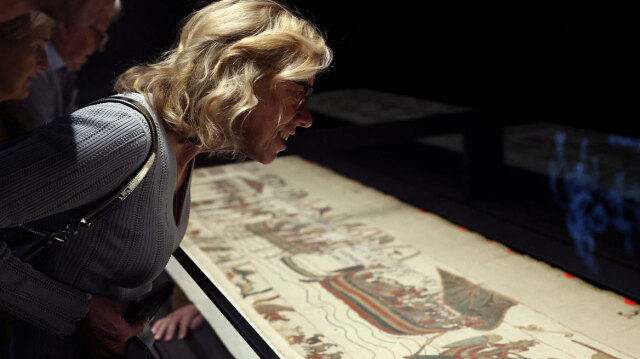
The British Museum has issued an apology to visitors following severe overcrowding and waiting times of up to two hours at its Bayeux Tapestry exhibition in London.
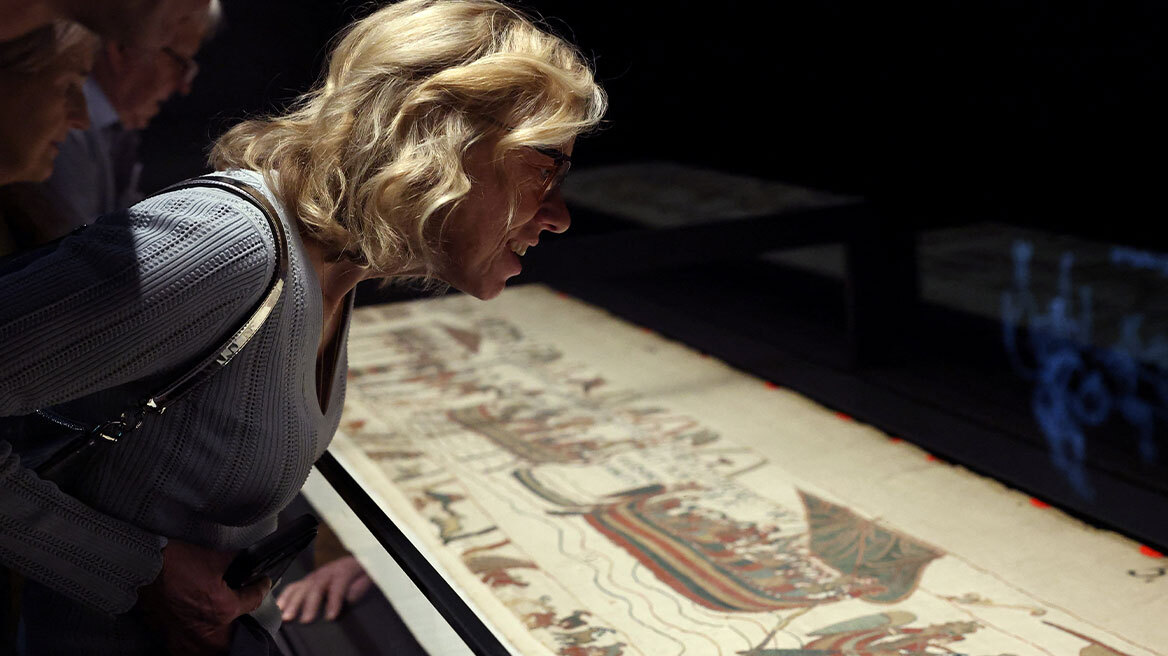
The apology comes after intense public reaction to long queues at the historic display, which is being hosted in the UK capital for the first time in more than 900 years. Problems escalated last week when hundreds of ticket holders were reportedly unable to view the exhibit after severe delays caused the museum to close early for a private event.
Nicholas Cullinan, the director of the British Museum, apologised for the disruption and stated that the institution is taking immediate steps to resolve the operational issues. Speaking to the BBC, Cullinan said the museum truly apologised to anyone who did not have a good experience and wanted to correct the situation.
The British Museum, located in central London, is one of the world's most visited cultural institutions. Its major temporary exhibition of the Bayeux Tapestry has drawn huge public interest since opening three weeks ago, with visitor numbers already approaching 100,000.
Visitor delays and operational changes
To ease congestion, the museum announced a series of operational changes. These include extending daily opening hours, providing additional seating, installing clearer signage throughout the venue, and making audio guides available to visitors.
Cullinan acknowledged that the museum must learn lessons from the overcrowding, stating that the focus is on making things right and ensuring no visitor leaves with a negative impression. He added that according to museum data, the overwhelming majority of visitors have expressed satisfaction with their visit.
The museum director also rejected claims that organizers had issued an excessive number of tickets. He explained that delays stemmed primarily from visitors spending more time inspecting the artwork than originally calculated. Although each visitor receives an estimated time window of approximately 40 minutes, many remain in front of the artifact for longer, creating bottlenecks for people arriving behind them.
Cullinan remarked that while high visitor engagement is positive, the museum must adapt its procedures accordingly. The museum is currently refunding ticket costs to individuals who held valid tickets but were unable to gain entry. Asked whether the institution might reimburse travel expenses for people who journeyed to London specifically for the exhibition, Cullinan described that as a possibility, though he noted that the exhibition is extremely expensive to host.
Accessibility concerns and ticket sales
The exhibition has also faced criticism regarding accessibility, particularly from wheelchair users. Cullinan defended the museum's arrangements, saying staff had done everything possible. He explained that one of the mandatory conditions set for loaning the tapestry to London was that it must be displayed in a horizontal position, a requirement that makes unimpeded viewing more difficult for people using wheelchairs.
Demand for the landmark event has been exceptionally high since presales launched in July, when a record 100,000 tickets were sold on the first day alone. Members of the public who missed out during the initial release will have two further opportunities to purchase tickets, with additional allocations scheduled for October and January.
Standard adult tickets cost 33 pounds during peak visiting hours and 27 pounds during off-peak periods, while admission for children under 16 is free. By comparison, admission to view the artwork at its permanent home in Bayeux, Normandy, costs 12 euros.
Historical significance of the Bayeux Tapestry
The Bayeux Tapestry is a famous 70-metre embroidered cloth that depicts the events leading to the Norman Conquest of England in 1066. Through 58 detailed scenes, the masterpiece illustrates the Battle of Hastings and the end of Anglo-Saxon rule in Britain.
On temporary loan from the French government, the tapestry had been housed in the Normandy town of Bayeux since 1983 before being transported across the English Channel. The landmark exhibition will remain on display at the British Museum until July 2027.


