


Dermatologist Leire Barrutia has warned that bath sponges can harbour harmful microorganisms and damage the skin barrier, advising people to use their hands.
In a video published on her TikTok account, Barrutia explained that showering should remove sweat, dirt, and excess oil without leaving the skin feeling tight or irritated.
She outlined a five-step proposal for daily hygiene that reduces bathing to short durations, lukewarm water, hand application, mild cleansers, and immediate moisturizing after drying.
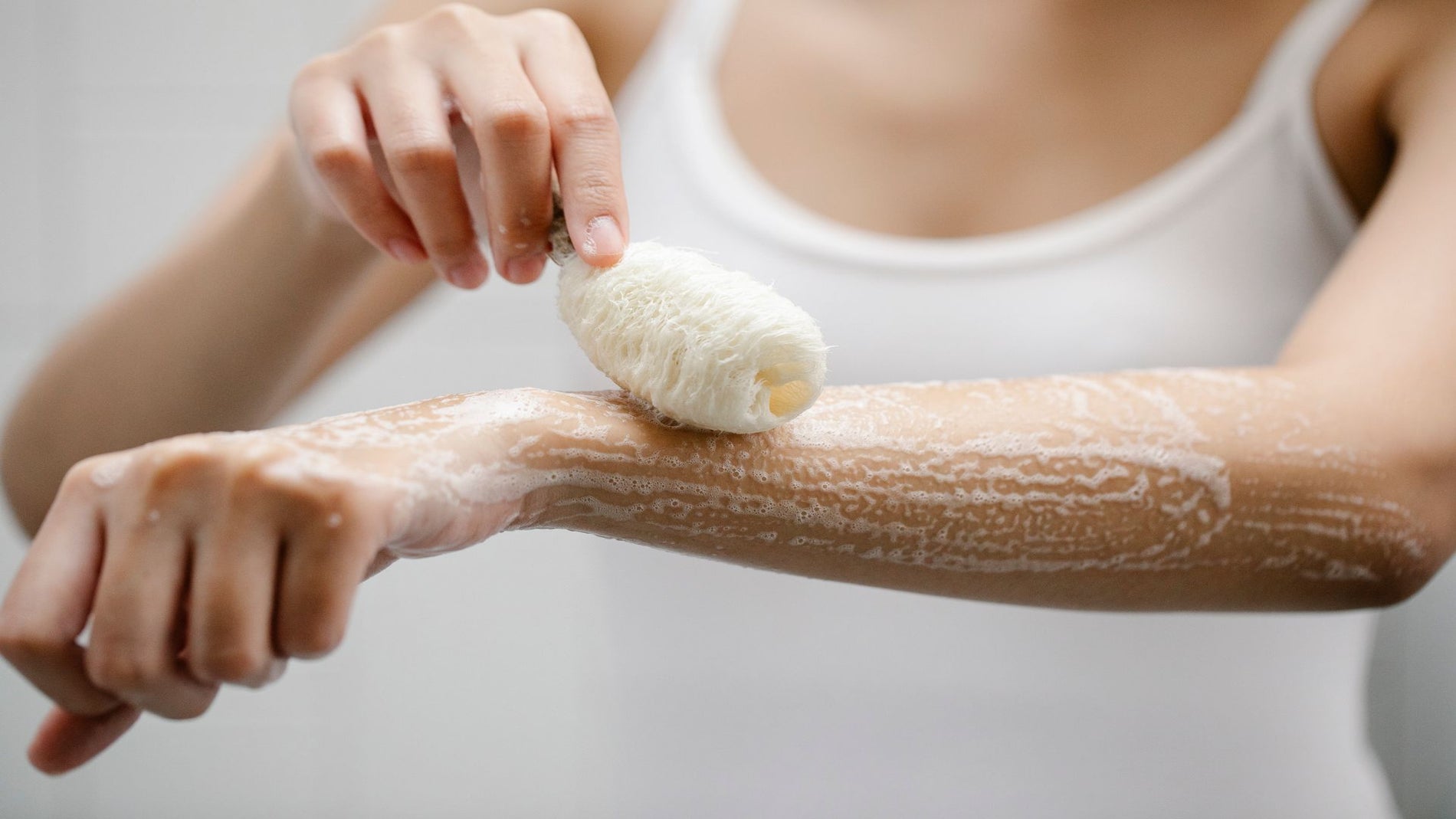
Barrutia noted that daily sponge use is often associated with thorough cleaning, but intense friction can irritate the skin surface. The skin barrier serves as a protective outer layer that limits water loss and defends against external irritants.
In most cases, using bare hands is sufficient to spread bath gel and rinse it off effectively without causing unnecessary abrasion.
Microorganism growth in bath sponges
Human skin naturally harbors bacteria, fungi, and other microorganisms that make up its microbiota, a complex ecosystem that helps regulate skin chemistry. However, porous bath sponges can disrupt this delicate balance.
Barrutia stated on TikTok that hands are more than enough for proper cleaning, while sponges can become a breeding ground for microorganisms and alter barrier function when rubbed against the skin.
The combination of trapped organic debris, such as sloughed-off skin cells, and prolonged heat and moisture in bathrooms creates an environment where microbes thrive.
Donald Dumford, an infectious disease specialist at Cleveland Clinic, noted that certain bacteria can form a film and multiply inside porous sponge materials. While overall infection risks remain low, Dumford warned that the risk increases if a contaminated sponge is used over cuts or freshly shaved skin.
Sponge care and hygiene maintenance
For individuals who choose to keep using a bath sponge, experts recommend rinsing the item thoroughly after every shower, wringing it out, and hanging it in a well-ventilated area outside the bathroom stall.
Cleveland Clinic guidelines suggest washing sponges once a week and replacing them immediately if they show signs of mold or produce a damp odor. Sponges should also be reserved for single individual use and applied gently across the body.
These hygiene practices extend to other personal accessories that remain close to the body, such as headphones. Experts note that washing items provides little benefit if the objects remain wet or quickly accumulate dirt again.
Shower duration and water temperature
The second part of Barrutia's recommendation focuses on water exposure. She advises capping showers at five minutes and avoiding very high water temperatures that strip protective natural oils.
The American Academy of Dermatology recommends keeping short showers between five and ten minutes using lukewarm water. Extended exposure to hot water promotes dryness, which can aggravate skin conditions such as eczema, psoriasis, or sensitive skin.
Proper bathroom ventilation also contributes to overall skin health, in the same way that indoor air quality relies on regular maintenance of home filters.
Cleanser choices and skin care routines
Selecting a gentle, fragrance-free cleanser helps protect dry or reactive skin types. Barrutia recommends products formulated with a pH level close to natural skin and containing moisturizing ingredients, suggesting shower oils as a suitable alternative.
The American Academy of Dermatology advises applying cleansers only to body areas that accumulate dirt, oil, or odor. Heavy lather does not guarantee superior hygiene and can leave skin feeling uncomfortably tight.
When exiting the shower, towels should not be used to scrub the body vigorously. The recommended approach is to pat the skin dry gently and apply fragrance-free lotion while the skin retains residual moisture to lock in hydration.
If persistent itching, cracking, pain, redness, or skin lesions persist despite adjusting daily shower habits, domestic routines are no longer sufficient and a dermatologist should be consulted.


