

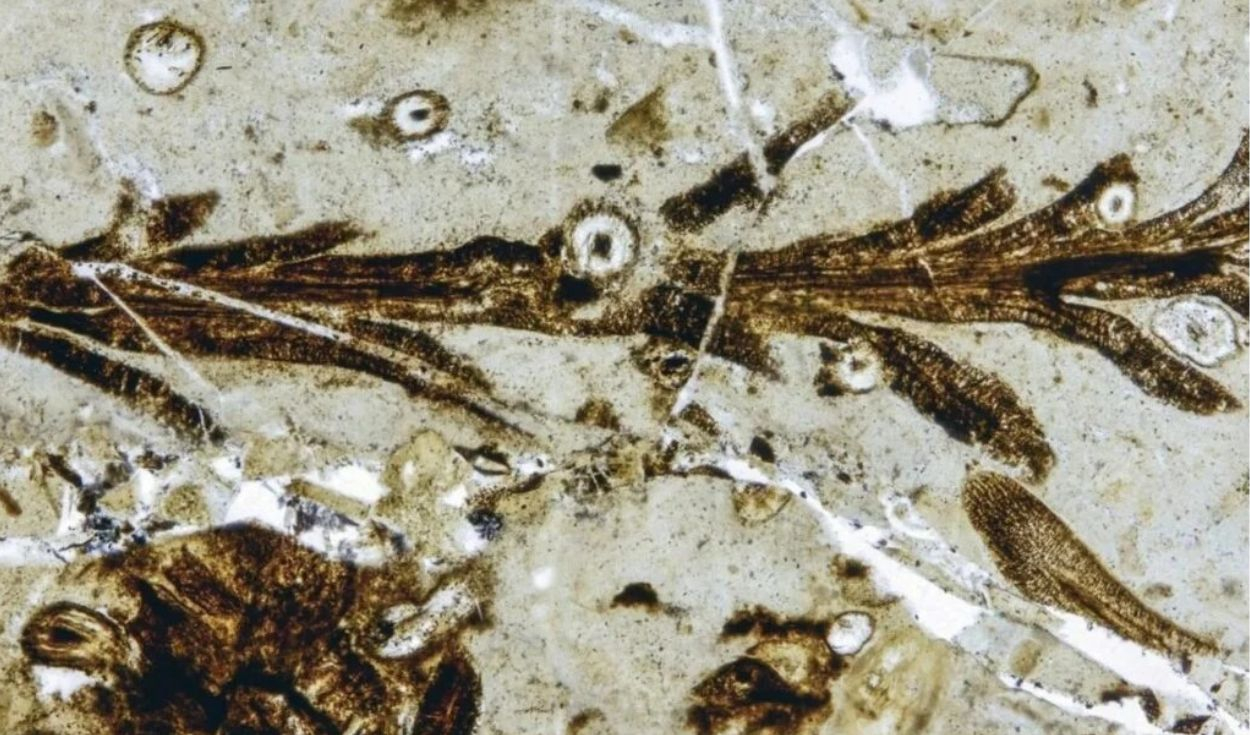
A team of researchers discovered a 150-million-year-old fossilized plant, Austrohamia vitrea, in Santa Cruz province, Argentina, revealing the internal anatomy of Jurassic forests.
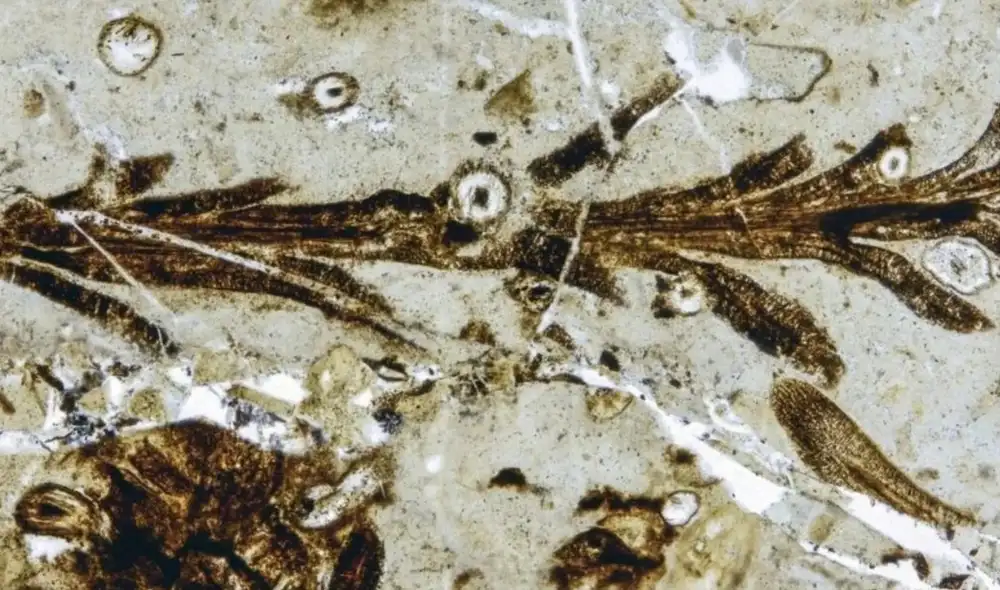
The fossil was found in the Deseado Massif and belongs to the same botanical group as modern cypresses and larches. Scientists stated that the exceptional state of preservation allows them to study both the external appearance and the internal workings of a conifer that lived alongside dinosaurs.
Unlike most plant fossils that only preserve shape or surface impressions, Austrohamia vitrea retains its internal anatomy almost intact. Researchers identified cells, tissues, stomata, resin channels, and vascular system structures in three dimensions with unusual clarity.
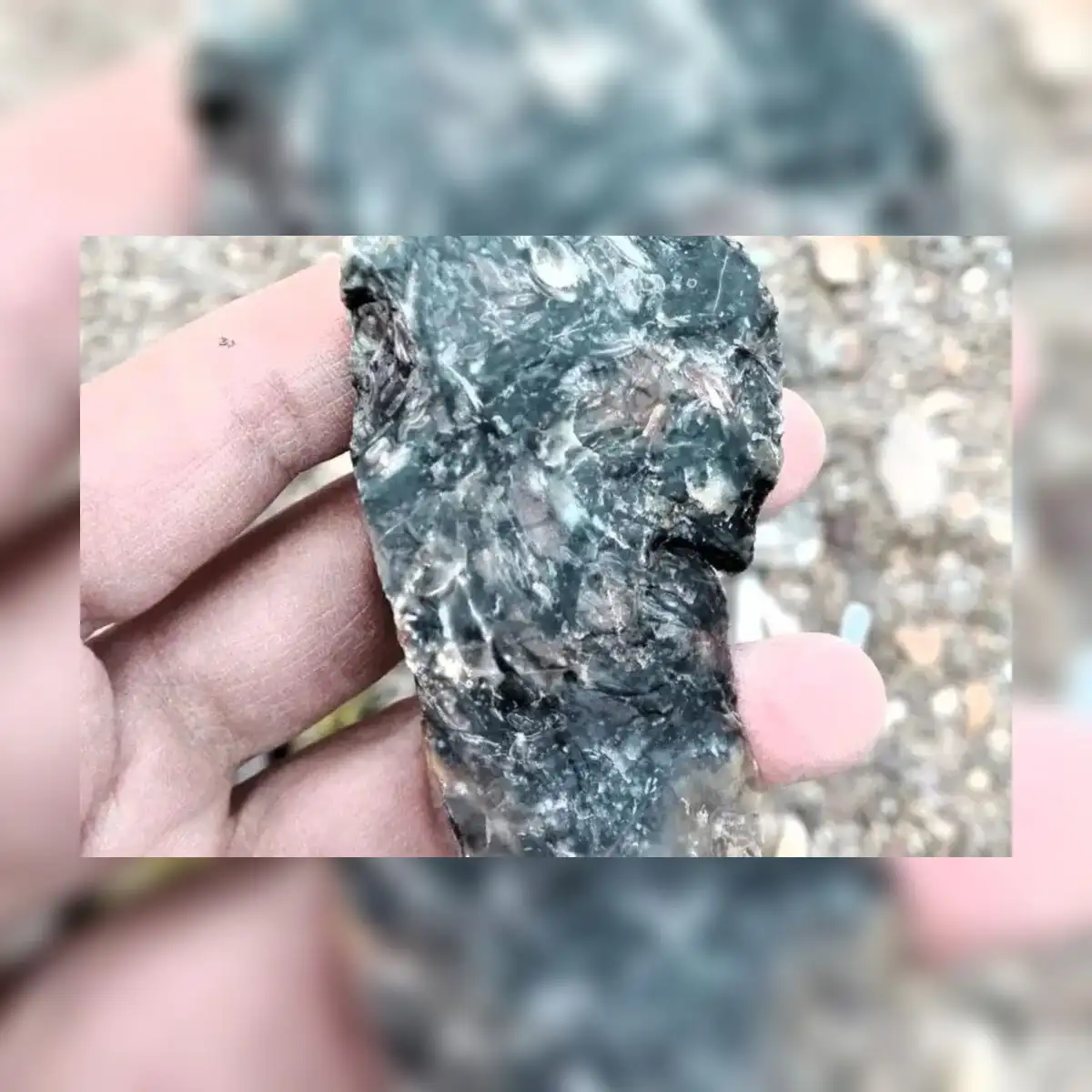
Specialists said the level of detail allows them to reconstruct how the plant transported water and nutrients, exchanged gases with the environment, and protected itself from ambient conditions. They noted that the discovery provides a unique opportunity to understand the early evolution of conifers during the Mesozoic era.
Preservation in volcanic hot springs
Scientists explained that the preservation was made possible by the environment where the plant was buried. During the Jurassic period, northern Santa Cruz experienced intense volcanic activity and contained hot spring systems rich in silica, creating a landscape very different from modern arid Patagonia.
Mineral-rich waters quickly impregnated the leaves and branches, gradually replacing organic matter without destroying the microscopic structure. This process formed a three-dimensional mold that allows researchers to observe anatomical details that usually disappear during fossilization.
Reconstructing the Jurassic environment
The discovery helps paleobotanists reconstruct ancient ecosystems in the La Matilde Formation. Scientists reported that 150 million years ago, the region contained volcanoes, hot springs, conifers, ferns, fungi, and various organisms that shared territory with dinosaurs.
In addition to describing a new species, researchers said the study offers insights into how Jurassic plants functioned and adapted to their environment, making Austrohamia vitrea a key piece in understanding the evolutionary history of Patagonian forests.


