Former subsecretary of state Manuel Rafael Amaro da Costa has questioned claims about the extent of Portuguese Prime Minister António de Oliveira Salazar’s childhood poverty.
In testimony recorded by Jaime Nogueira Pinto for the book Salazar pelos seus Próximos, Amaro da Costa argued that the Portuguese leader was born in a region that was neither exceptionally poor nor isolated compared to other parts of the country.
Salazar publicly claimed that he owed to Providence the grace of being poor. However, Amaro da Costa, who served as Undersecretary of State for Overseas Development between 1961 and 1962, challenged that depiction of the dictator's early life.
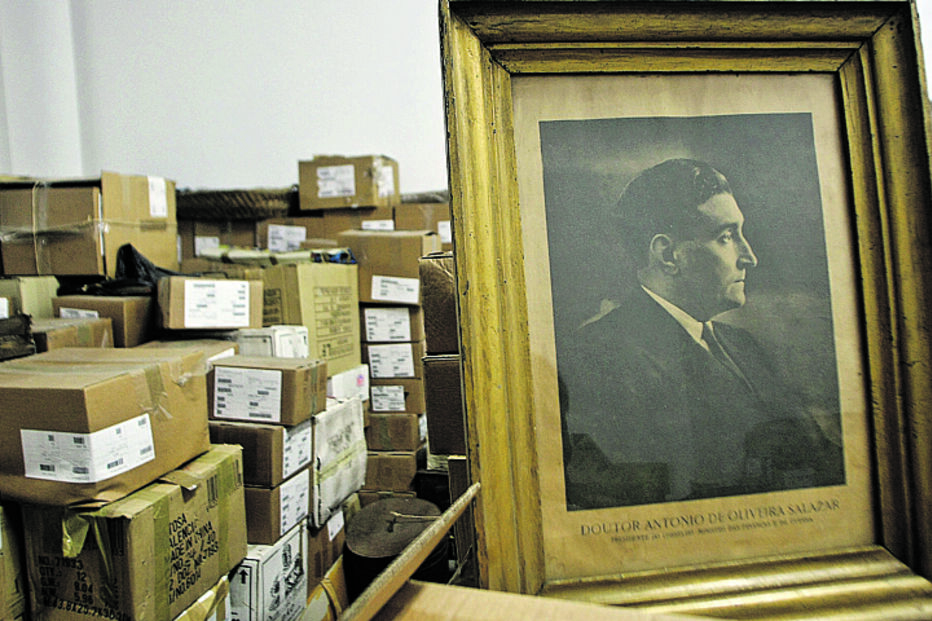
Origins and Transport Connections
Amaro da Costa compared Salazar's birthplace of Vimieiro, located near Santa Comba Dão in central Portugal, with his own home region of Alentejo in the south.
Born in 1910 in São Martinho das Amoreiras, Amaro da Costa noted that traveling from his village to the municipal seat of Odemira required a 12-hour journey. In contrast, he stated that Vimieiro was situated a short distance from Santa Comba Dão, a locality that possessed easy communication links during all seasons of the year even in that era.
Amaro da Costa emphasized that extreme poverty in Alentejo was compounded by the absence of large landowners willing to assist workers, leaving residents without private support or state relief.
Living Conditions and Propaganda Campaigns
During the early 20th century, Portugal was a rural and largely illiterate nation where families kept pigsties at home and slept on straw mattresses designed with openings to turn the filling.
In 1938, the National Secretariat of Propaganda, known as SPN and headed by António Ferro, organized a national competition to elect the most Portuguese village in Portugal. The delegation of state figures quickly abandoned their planned tour due to the severe ordeal of travel across the country.
Portuguese writer Fernando Pessoa famously described Salazar as an accountant. Historical records show that the longtime head of government was neither impoverished nor averse to wealthy social circles and official luxuries.
Historical Context of the Regime
António de Oliveira Salazar governed Portugal for more than three decades as head of the authoritarian Estado Novo regime, serving as President of the Council of Ministers from 1932 to 1968. His regime relied heavily on cultural propaganda managed by the SPN to project an image of traditional rural identity.
Santa Comba Dão, positioned along central transit routes, enjoyed infrastructure that contrasted sharply with isolated rural southern areas. The testimony collected by political analyst Jaime Nogueira Pinto offers insight from former insiders into the regime's public narrative and Salazar's private origins.