
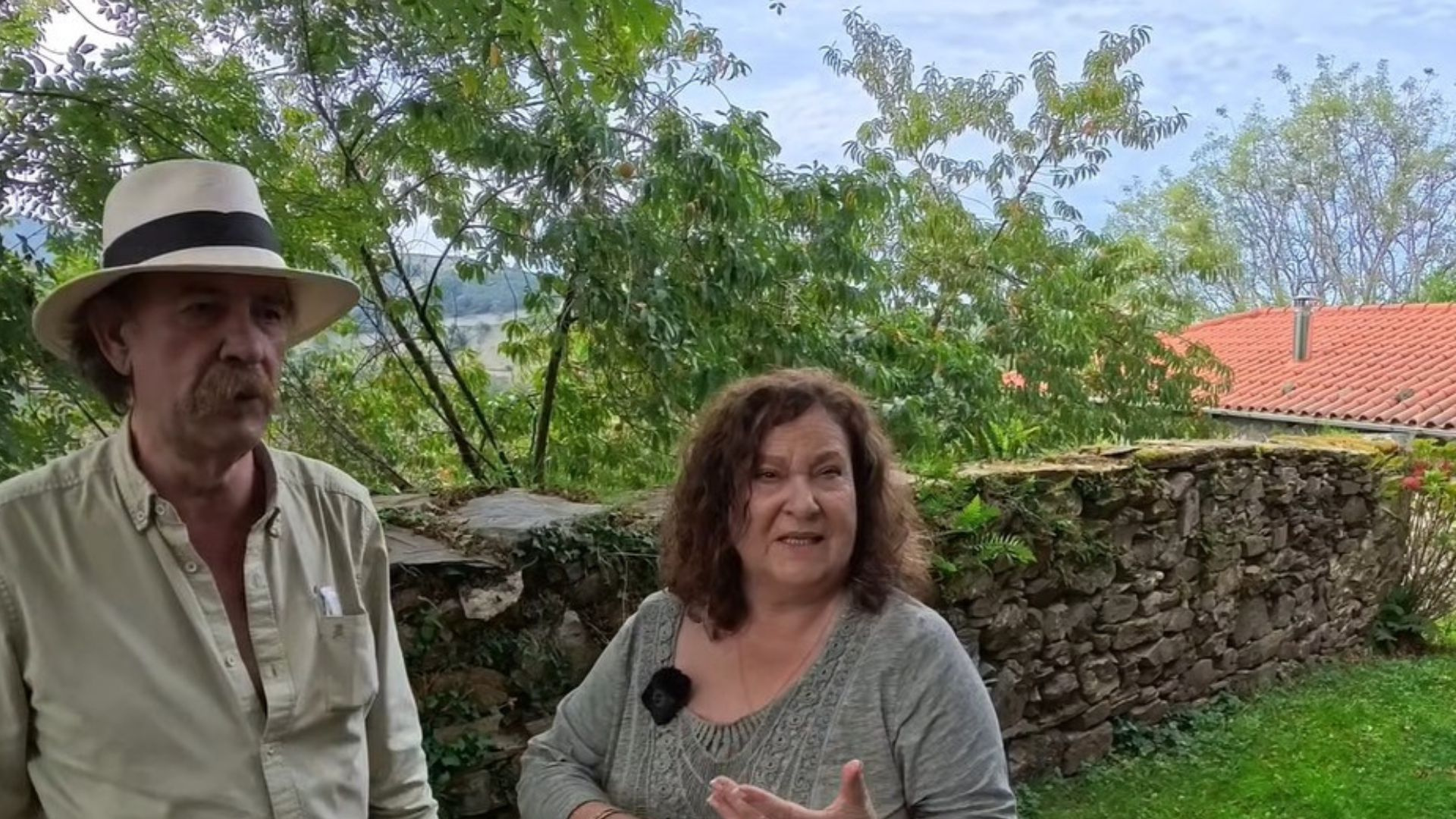
Ana Isabel and her partner Máximo have bought and rehabilitated an abandoned 14th-century mountain village in Asturias using job retraining funds.
The former mining worker from Oviedo purchased the overgrown hamlet from a sole heiress before restoring the settlement alongside Máximo to create a rural tourism destination. The site, which once housed more than 24 residents producing charcoal, had fallen into complete disrepair before the couple installed electricity, internet access, and spring water connection.
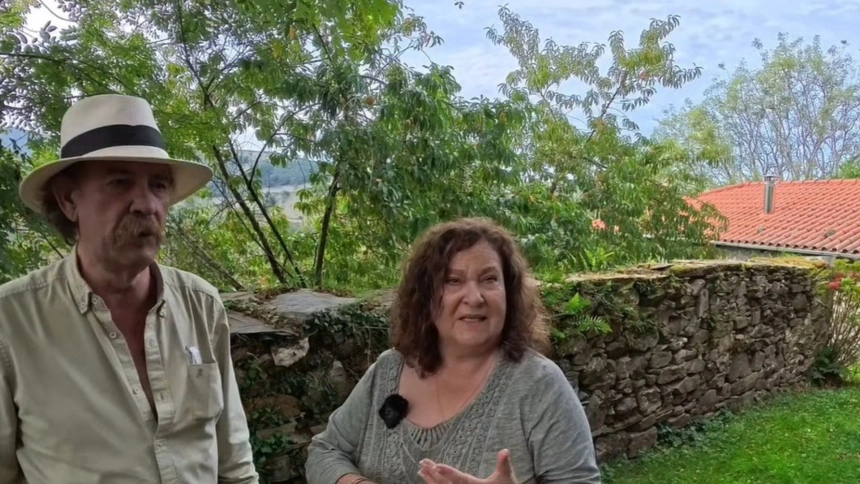
A braña is a traditional high-altitude pasture settlement in the mountainous autonomous community of Asturias in northern Spain. Oviedo, the regional capital, served as the starting point for Ana Isabel before she invested money from an industrial retraining program into the purchase. She learned about the property through a friend and decided to acquire the land despite it being impassable and covered in heavy weeds.
The purchase was made possible because all of the village properties belonged to a single heiress. Her father had systematically acquired the houses over previous decades as original residents departed to seek work in industrial sectors. Ana Isabel met Máximo following a traffic accident, and he joined the project after falling in love with both her and the location.

Rehabilitation and access challenges
The couple detailed their restoration process in a report by journalist Álvaro for the hilux aventura channel, emphasizing that moving to the countryside requires significant time, financial investment, sacrifice, and dedication. Máximo explained that newcomers must adapt to existing local communities rather than imposing themselves or creating conflicts with long-term residents who understand how the region functions.
Despite completing major infrastructure upgrades, the couple faces immediate operational hurdles regarding local access roads. A 200-metre section of road leading to the village remains in severe disrepair and requires concreting to ensure that emergency service vehicles, including ambulances, can reach the hamlet. Máximo noted that the poor road conditions currently prevent them from renting out restored houses on long-term leases, and he called on the local municipal council to assist with infrastructure repairs.
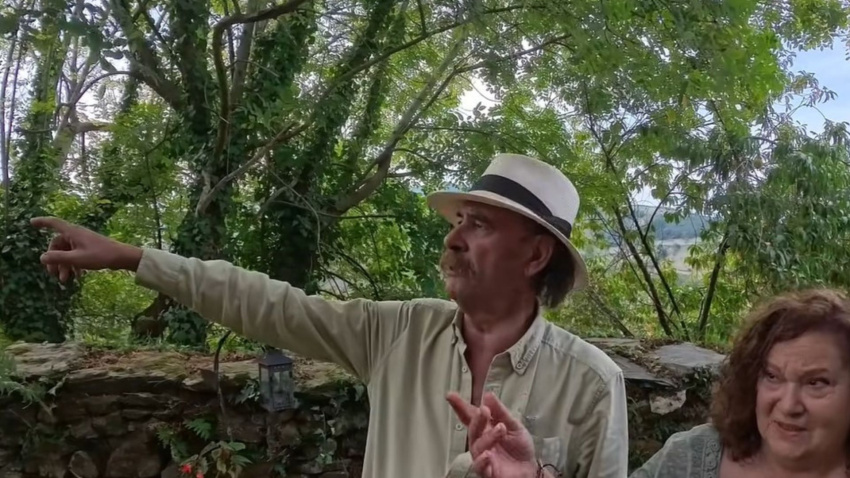
The hamlet is situated seven kilometres from the town of San Martín, where Ana Isabel and Máximo travel to buy supplies. The surrounding landscape contains the only remaining Atlantic patch of native flora in the municipality, making the preservation of the immediate environment a primary concern for the couple.
Wind farm project and long term plans
The settlement now faces an environmental threat from a proposed wind energy project. Developers plan to erect 224-metre-tall wind turbines across the area, which Máximo warned would cause severe visual and acoustic disruption. He added that the installation threatens the natural water supply of the entire Sierra del Pomar, a mountain range providing water to the downstream municipalities of Cudillero and Pravia.

To combat the turbine installation, the couple joined forces with other local residents through the Lindecuvel Association. Máximo criticized project planners for failing to recognize that mountain aquifers feed the broader region, emphasizing the necessity of protecting the high-altitude water sources from industrial development.
Looking ahead, Ana Isabel and Máximo stated that they intend to remain in the restored village for the rest of their lives. They have chosen not to leave the property to their descendants to spare them future maintenance costs. Instead, Ana Isabel plans to bequeath her estate to an organization aligned with her personal values.