

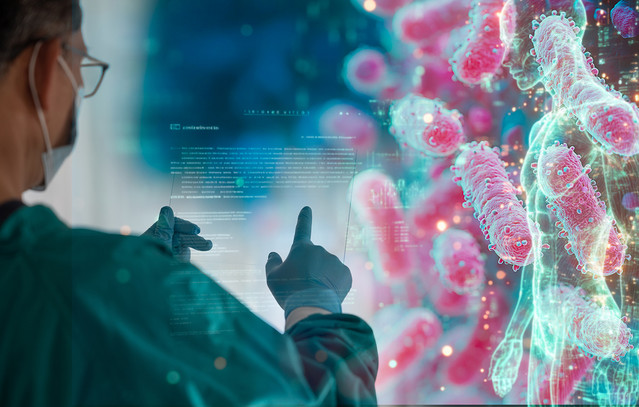
Dr. Brian Hie, a chemical engineer at Stanford University, used artificial intelligence to create the first fully AI-designed viruses that successfully destroyed bacteria. In laboratory tests, a cocktail of the engineered viruses killed E. coli bacteria that were completely resistant to natural bacteriophages.
Bacteriophages are microorganisms that exclusively infect bacteria and are used globally to treat persistent infections. Writing in the journal Science, the researchers reported that using advanced genomic language models to rapidly design and adapt functional genomes could transform medical treatments.
Biosecurity concerns
However, the technological milestone has raised serious biosecurity concerns across the global scientific community. Scientists from Johns Hopkins University warned that although the capability to synthesize viral genomes with AI now exists, management to guide the technology safely is absent.
The AI models were trained on genetic data from bacteriophages, and code from viruses that infect humans was intentionally excluded. According to a report in The Guardian, Dr. Filippa Lentzos emphasized that safeguards and proper bioprotection are urgently required.


