

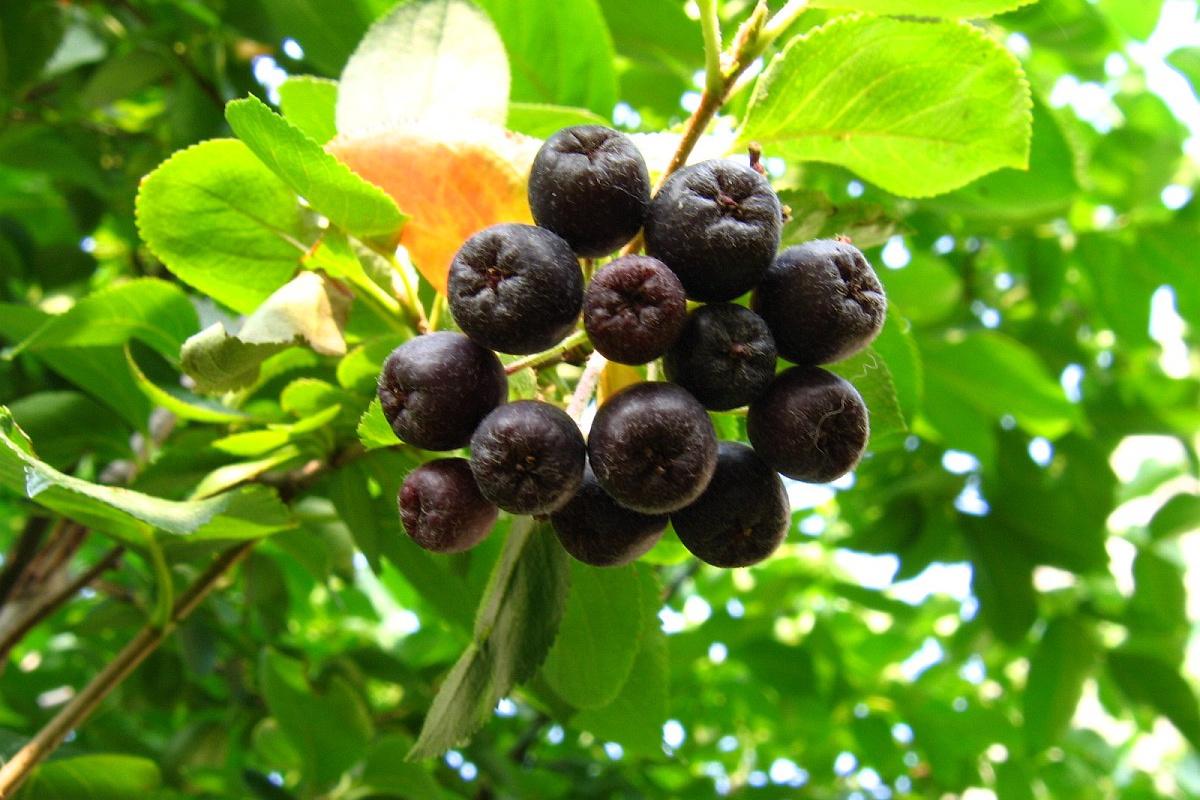
Black chokeberry fruit has reached full maturity across the Polissia region in northern Ukraine, marking the start of the seasonal harvest for the dark berry.
Ukrainian publication Konkurent reported on the ripening crop, detailing the botanical features and nutritional makeup of the fruit commonly known as aronia.
Aronia melanocarpa belongs to the Rosaceae family. Despite its common regional name of black-fruited mountain ash, the plant is not botanically a variety of mountain ash. The shrub originates from eastern North America but has adapted well to various climate conditions and is now cultivated across Europe.
Polissia is a historic lowland region spanning northern Ukraine and neighboring border areas, known for its dense woods and wetland ecosystems. The Rosaceae family includes many common fruiting plants, such as apples, pears, and raspberries.
Flavor characteristics and processing methods
The bushes typically grow between one and two meters in height, producing fruits that ripen in dense clusters with a dark purple, almost black hue. Fresh berries possess a sharp, sour, and astringent taste. That astringency inspired the English name chokeberry, referring to the sensation the raw fruit creates in the throat.
The publication noted that the intense astringency results from a high concentration of polyphenolic compounds, particularly proanthocyanidins. Because of the strong taste, raw berries are rarely eaten fresh and are instead processed into juices, jams, preserves, compotes, and syrups, or preserved through drying and freezing.
Anthocyanins, a group of natural plant pigments within the polyphenol family, give the fruit its dark color. The berries also contain flavonoids, phenolic acids, vitamins, and minerals. In plant biology, anthocyanins are responsible for red, purple, and blue colorations in many wild and cultivated fruits.
Health research and clinical studies
The report stated that polyphenols possess antioxidant properties that may help neutralize free radicals and protect human cells from oxidative stress. Free radicals are unstable molecules generated during normal metabolism that can cause cellular damage if left unneutralized.
According to the report, researchers are examining potential links between chokeberry consumption and cardiovascular health, blood glucose regulation, inflammatory responses, and overall metabolism. Specific clinical trials have associated aronia products with improved blood vessel function and changes in blood pressure readings.
Experts cautioned against overstating the medical benefits of the fruit. Systematic reviews have not established definitive proof of a therapeutic effect, and research results across different studies remain inconsistent. Most existing studies were conducted in laboratories or on animal models, with a shortage of large-scale human trials.
The publication emphasized that aronia is primarily a nutritious plant rather than a broad medical cure. In addition to its fruit, the shrub is cultivated as an ornamental plant. It produces white blossoms in spring, dark berries in summer, and bright red foliage during autumn.
Regional environmental updates
In related environmental reporting, news agency UNIAN documented a rare sighting in the Chernobyl Biosphere Reserve, where rangers encountered a Eurasian woodcock resting in a road puddle. The bird remained unmoved by vehicle headlights before eventually flying away. Ornithologists explained that the species possesses specialized eye anatomy providing wide peripheral vision and predator protection.
The Chernobyl Biosphere Reserve is a protected wilderness area surrounding the former nuclear power plant in northern Ukraine. The Eurasian woodcock is a nocturnal wading bird known for its secretive behavior and distinctive plumage.
UNIAN also reported severe shallowing along the Dniester River this summer, which left exposed riverbeds and stony banks in place of open water. Hydrologists attributed the drought to prolonged rainfall shortages, weak spring floods, high summer heat, and broader climate changes. The drop in water levels has triggered fish die-offs, rapid algae growth, and municipal water supply challenges for coastal communities.
The Dniester River is one of the major waterways in Eastern Europe, flowing through Ukraine and Moldova into the Black Sea.


