The Portuguese government expects to execute 2.6 billion euros in major structural investment projects next year, representing a 72.2 percent drop from 2026.
The planned expenditure for 2026 stood at 9.5 billion euros, leaving an estimated total reduction of nearly 6.9 billion euros across all public institutions in 2027. The figures were submitted by the government to the Assembly of the Republic, Portugal's parliament in Lisbon, as part of the latest Multiannual Structural Investment Framework.
The document forms part of the annual planning process for the Portuguese State Budget based on mandatory expenditure reports from central administration agencies. Officials attributed the sharp decline to the conclusion of the Recovery and Resilience Plan, the European Union funded post-pandemic recovery program that officially closed on August 31. The recovery plan had funded 69 of the 138 structural projects reported by the state, accounting for half of all listed investments.
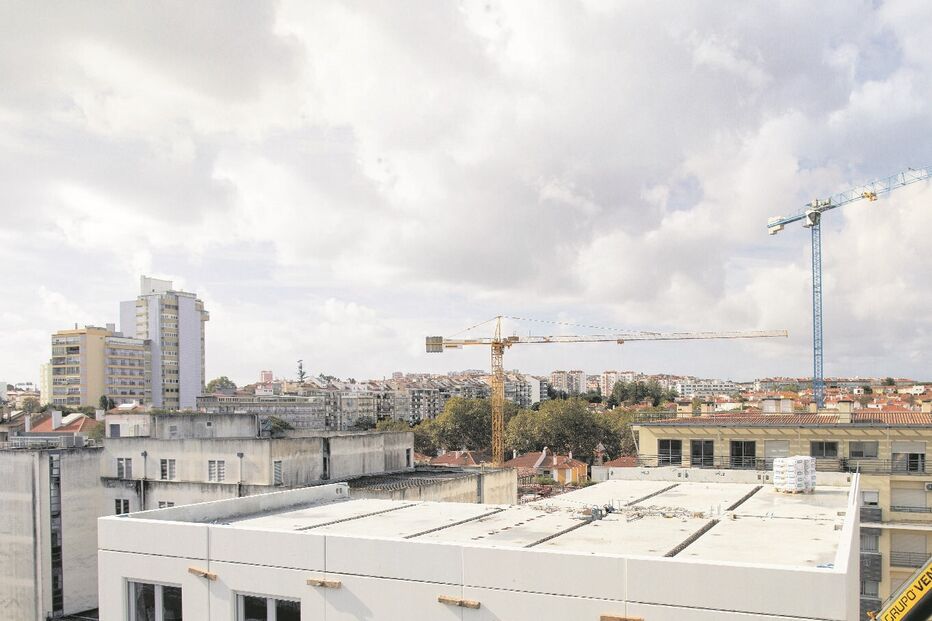
Housing represents the largest single driver of the overall budget reduction. Funding for the sector will drop by 80 percent, falling from 3.3 billion euros in 2026 to 650 million euros next year. The majority of that funding, totaling 424 million euros, is allocated to the national housing access support program managed by the Institute for Housing and Urban Renewal, Portugal's public housing authority.
Housing and essential services funding
Essential public services, including the National Health Service, educational facilities, and public transportation networks, will experience a combined funding cut of 77.8 percent. Total allocations for these sectors will decrease from 3.3 billion euros in 2026 to 650 million euros in 2027.
Within healthcare, 21 million euros is set aside for the National Proton Therapy Centre at the Portuguese Oncology Institute of Porto, a leading public cancer treatment center in northern Portugal. In education, 69 million euros will go toward the school rehabilitation program managed by regional coordination and development commissions across the country.
Bucking the general downward trend, investment in the Lisbon Metro rapid transit system will more than double, rising from 210 million euros in 2026 to 447 million euros in 2027. Of that sum, 338 million euros will fund the light rail connection between Odivelas and Loures in the northern Lisbon metropolitan area.
As part of the broader recovery plan execution, all projects under the responsibility of the Ministry of Labour and Social Solidarity were fully completed prior to the program deadline.
Infrastructure and public transit projects
Infrastructure projects will absorb the largest overall share of structural funds in 2027, taking 32.4 percent of the total allocation. However, direct funding for infrastructure will still drop by 49.3 percent, falling from 1.7 billion euros in 2026 to 854 million euros.
Railway investments are led by the Northern International Corridor project, which is allocated 276 million euros. For road infrastructure, the budget includes 35 million euros for the construction of a bypass road connecting National Road 222 and the A32 highway in the northern municipality of Castelo de Paiva.
Following the conclusion of European recovery funds, local municipalities across Portugal have called for the swift identification of public works projects that will require alternative financing streams.
Tax revenue and pension expenditure
Alongside structural investment cuts, the government anticipates a 401 million euro loss in tax revenue in 2027, according to reporting by financial news outlet Eco based on the government's Invariant Policies Framework. The revenue drop is expected to result from planned adjustments to specific tax deductions and personal income tax brackets.
At the same time, financial newspaper Negócios reported that the same framework projects an additional two billion euros in pension spending next year. The projected increase represents the largest annual rise in pension obligations since the inflationary surge following the invasion of Ukraine.
The Economy Minister has indicated readiness to appear before parliament to provide detailed clarifications on the final execution and outcomes of the Recovery and Resilience Plan.