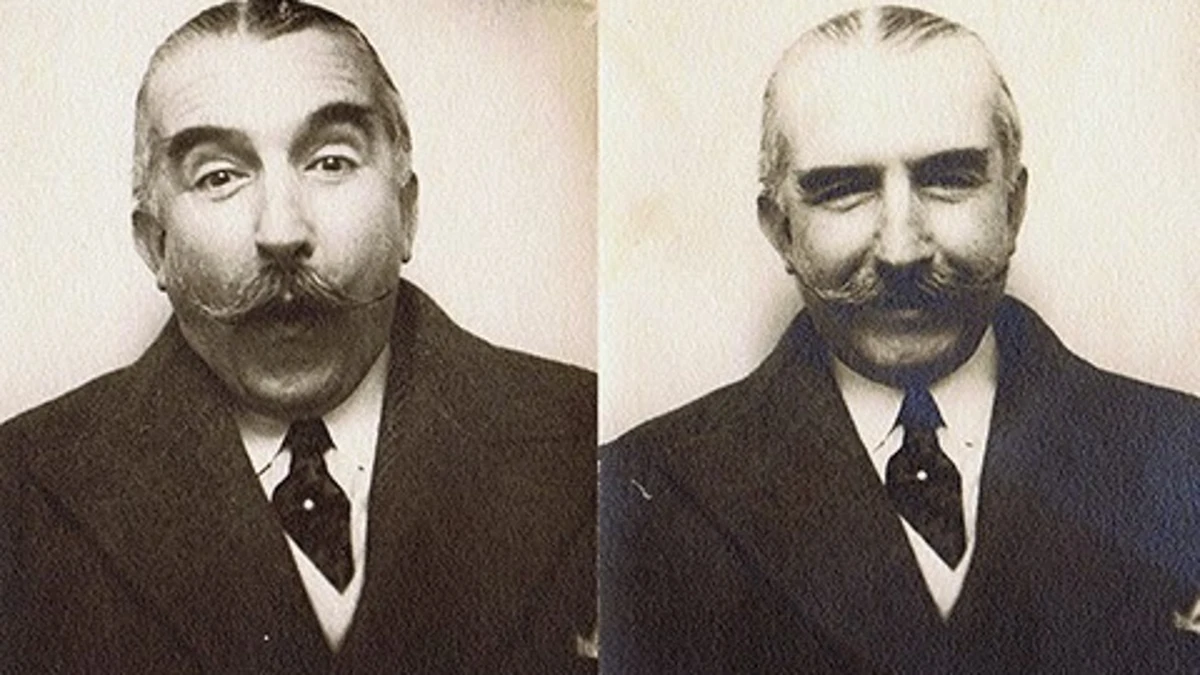
Spanish theatre marked 90 years on November 28, 2026, since the assassination of playwright Pedro Muñoz Seca, who was shot by firing squad in Paracuellos del Jarama on November 28, 1936. The writer, born in El Puerto de Santa María, was killed as a victim of the repression carried out in the Republican rear guard during the Spanish Civil War.
Muñoz Seca is remembered as the inventor of the "astracán," a genre of absurd comic theatre, and as the author of La venganza de Don Mendo (The Revenge of Don Mendo), one of the most enduring comedies ever staged in Spain.

Caught in Barcelona as war broke out
The Civil War found Muñoz Seca in Barcelona, where he had travelled for the premiere of his play La tonta del rizo. His political views as a monarchist, Catholic and conservative, together with satires he had written against the Republic, marked him out as a political enemy.
He was arrested by militiamen of the FAI, the anarchist Federación Anarquista Ibérica, on July 29, 1936. He was then transferred to Madrid and imprisoned at the Escuelas Pías de San Antón.
Months in prison before his death
Muñoz Seca remained held there for months, until the "sacas," the mass removals of prisoners that intensified as Francoist forces advanced on the capital, sealed his fate.
In the early hours of November 28, he was taken from the prison with his wrists bound with wire.
What he said before he was shot
During his captivity, Muñoz Seca had already shown the dark humour for which he remained known even as his death approached. He told his captors that they had taken his freedom, his job, his peace and his family, everything, but that there was one thing they could not take from him: the fear he felt at that very moment.
That fear, confessed with disarming irony, did not stop him facing his final moments with composure. Taken along with hundreds of other prisoners to Paracuellos, the playwright is said to have told his executioners, as he stood before the pit, that they were so skilful they had even managed to take away his fear.
According to testimonies, he then shouted in praise of Christ the King moments before he fell under the gunfire. He was buried in a mass grave.
A legacy that outlived the firing squad
Even death could not take away his final word. The curtain fell on the man, but his humour lived on in his work. La venganza de Don Mendo remains one of the most performed plays in the history of Spanish theatre, a lasting testament to a writer who turned the absurd into art.
Test yourself
What play is Pedro Muñoz Seca best known for?
Where was Muñoz Seca executed?
Who arrested Muñoz Seca in Barcelona?
Where it happened
Paracuellos del Jarama, Spain