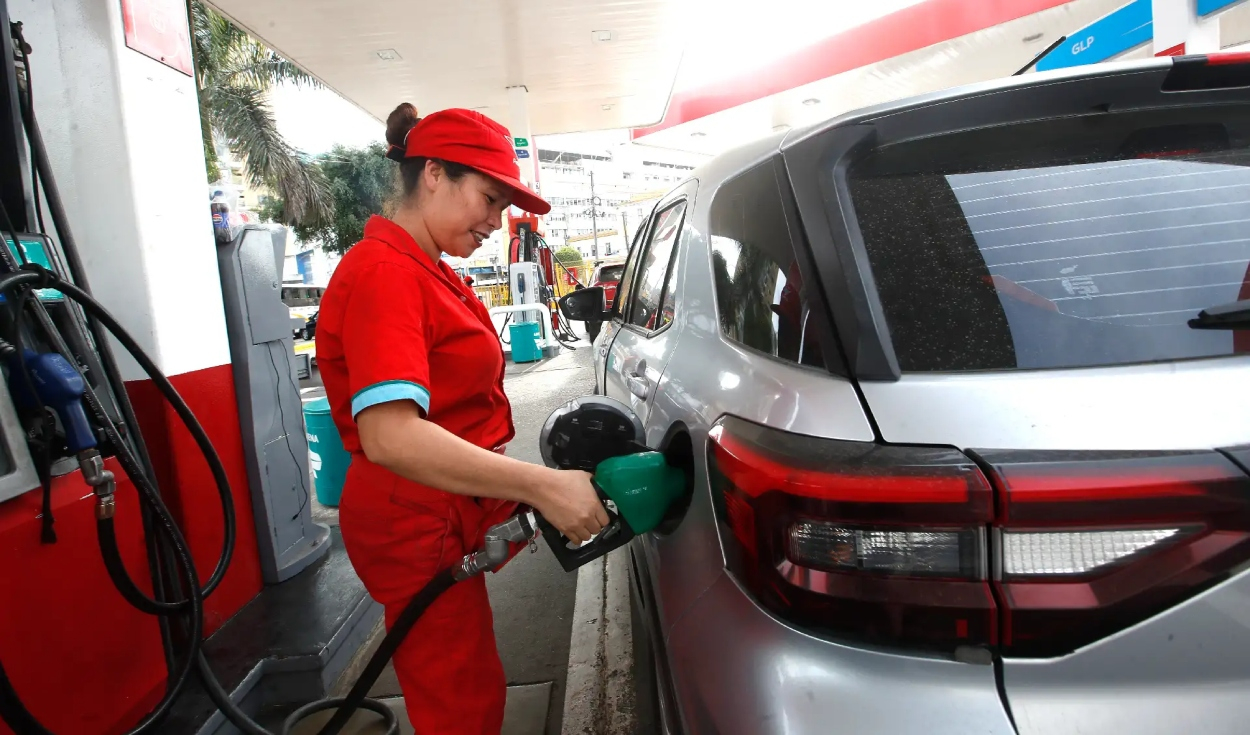
Vehicle fuel prices in Peru rose 17.8 percent over the 12 months through July 2026, keeping heavy upward pressure on national inflation despite a 4.1 percent drop during the month, according to the latest report from the Central Reserve Bank of Peru (Banco Central de Reserva del Perú).
The central bank reported that transport costs accumulated an annual price increase of 18.2 percent, driving overall interannual inflation to 4.1 percent in July, up from 4.0 percent in June. This keeps inflation above the central bank's target range of 1 percent to 3 percent.
According to the Banco Central de Reserva del Perú (BCRP), price pressure is not new, as the deviation of inflation from the target range was primarily driven by fuel price increases and their impact on transport costs during March and April.
Although vehicle fuels experienced a 4.1 percent drop in July after several months of upward pressure, the annual comparison shows a cumulative 17.8 percent increase relative to July 2025. BCRP explained that a single monthly decline is insufficient to erase the gains accumulated over the past 12 months.
The broader fuels sector recorded an overall interannual price variation of 10.1 percent. Within this group, vehicle fuels showed the highest increase, while domestic gas prices accumulated a 4.3 percent rise over the same period.
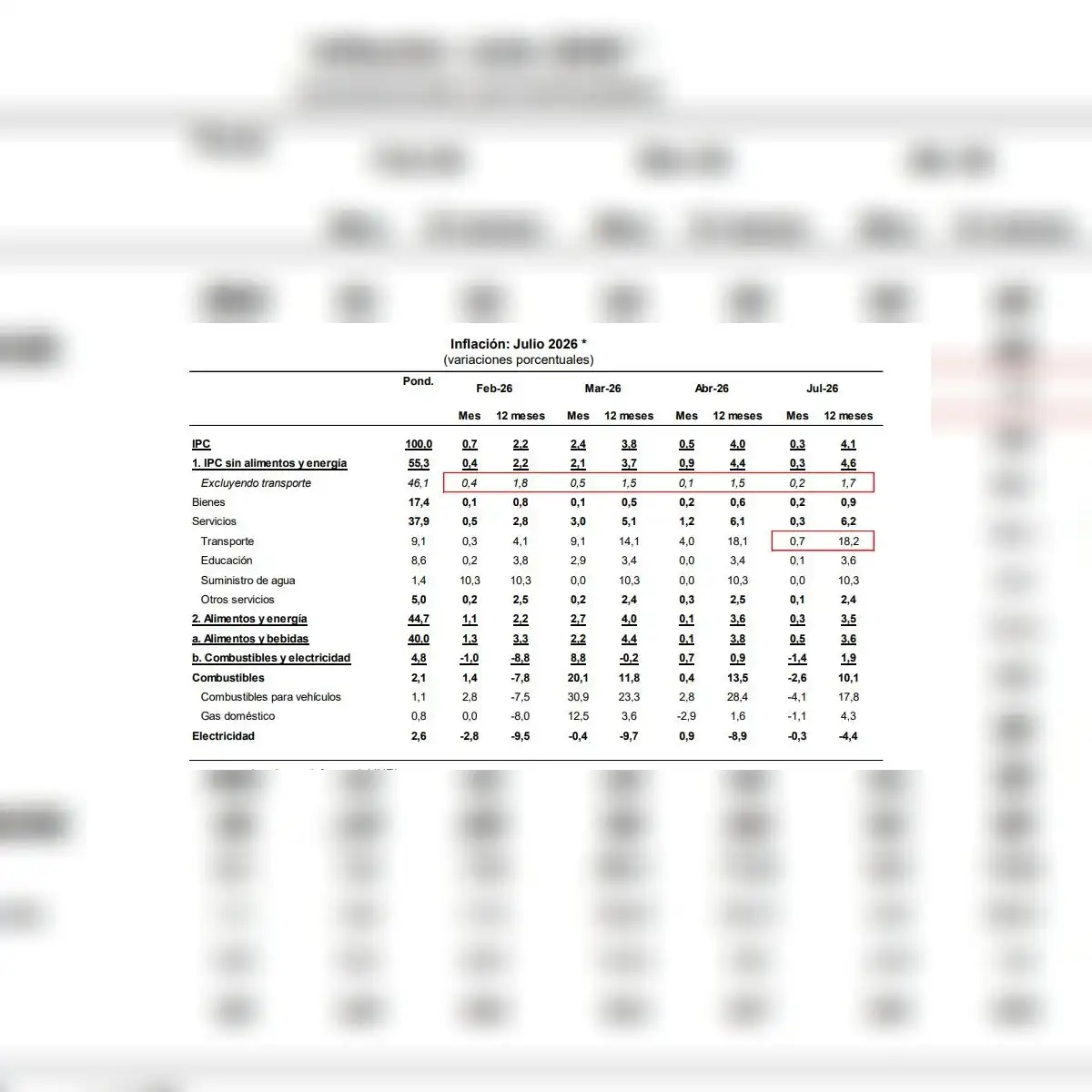
The impact extends beyond individual drivers at the pump. Transport costs, which count fuel among their primary expenses, rose 0.7 percent in July compared to June, accumulating an 18.2 percent year-on-year increase.
BCRP noted that rising fuel prices do not remain isolated to drivers, as higher costs elevate the transport of passengers and goods, which can ultimately be reflected in the final prices of other goods and services throughout the economy.
Transport cost impact on inflation
The difference between general inflation and measures that exclude volatile components illustrates where price pressure is concentrated. Interannual inflation excluding food and energy rose from 4.5 percent in June to 4.6 percent in July. However, when transport is also excluded, core inflation drops to 1.7 percent.
BCRP highlighted that, excluding transport, core inflation has remained below 2 percent since April of last year. This indicates that inflationary pressures in Peru are concentrated within the transport sector rather than spread evenly across the broader economy.
Inflation expectations for the next 12 months have also increased. Analysts, financial institutions, and business executives surveyed by BCRP raised their 12-month inflation forecast from 2.83 percent in June to 3.01 percent in July, slightly exceeding the upper bound of the target range.
Global oil risks and monetary policy decision
External factors continue to present potential risks for fuel prices. BCRP noted that global risks have moderated due to a relative normalization of hydrocarbon supplies, but warned that uncertainty surrounding negotiations in the Middle East along with geopolitical and trade risks could cause energy prices to fluctuate again.
As of August 13, 2026, West Texas Intermediate (WTI) crude oil recorded a spot price of $41.50 per barrel. While this represents a 20.6 percent increase compared to December 2025, prices have pulled back from levels observed in February and May.
In response to these conditions, the Board of Directors of BCRP decided to maintain the reference interest rate at 4.25 percent. The central bank stated that it keeps open the possibility of adjusting its monetary policy stance if data shows that inflationary pressures last longer than anticipated.
The central bank expects inflation to return to its target range and settle near 2 percent as the effects of supply shocks wear off. However, BCRP identified two main risks that could delay this timeline: a more intense El Niño phenomenon and prolonged geopolitical tensions in the Middle East.
Until the gap closes, transport will remain one of the primary channels through which fuel price shocks affect Peru's overall inflation rate.