

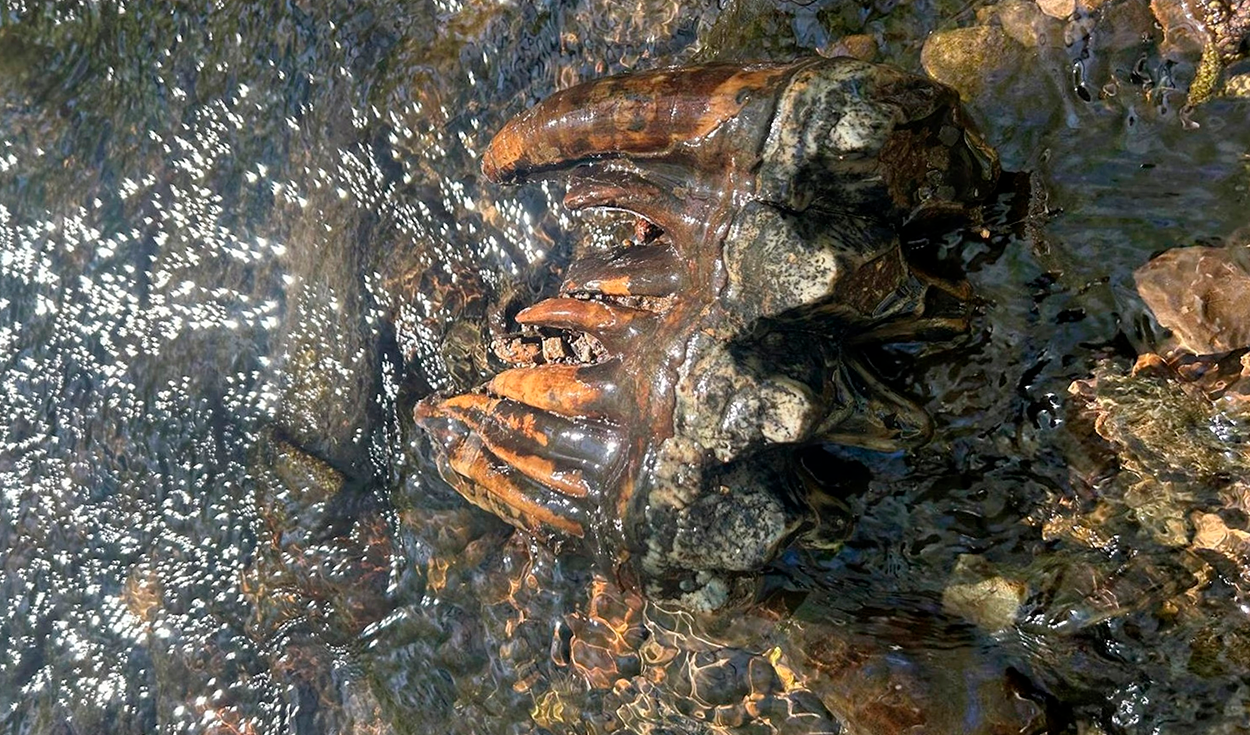
Scientists have discovered an intact fossilized molar from a Pacific mastodon at least 10,000 years old in the bed of a stream in San Mateo County, California. Researchers said the extraordinary condition of the specimen took them by surprise.
The fossil belongs to an adult mastodon and was found during fieldwork carried out as part of a habitat improvement project in a reserve managed by the Midpeninsula Regional Open Space District. At first, researchers thought they were looking at a rock with an unusual shape, according to ABC News.

An Exceptionally Preserved Molar
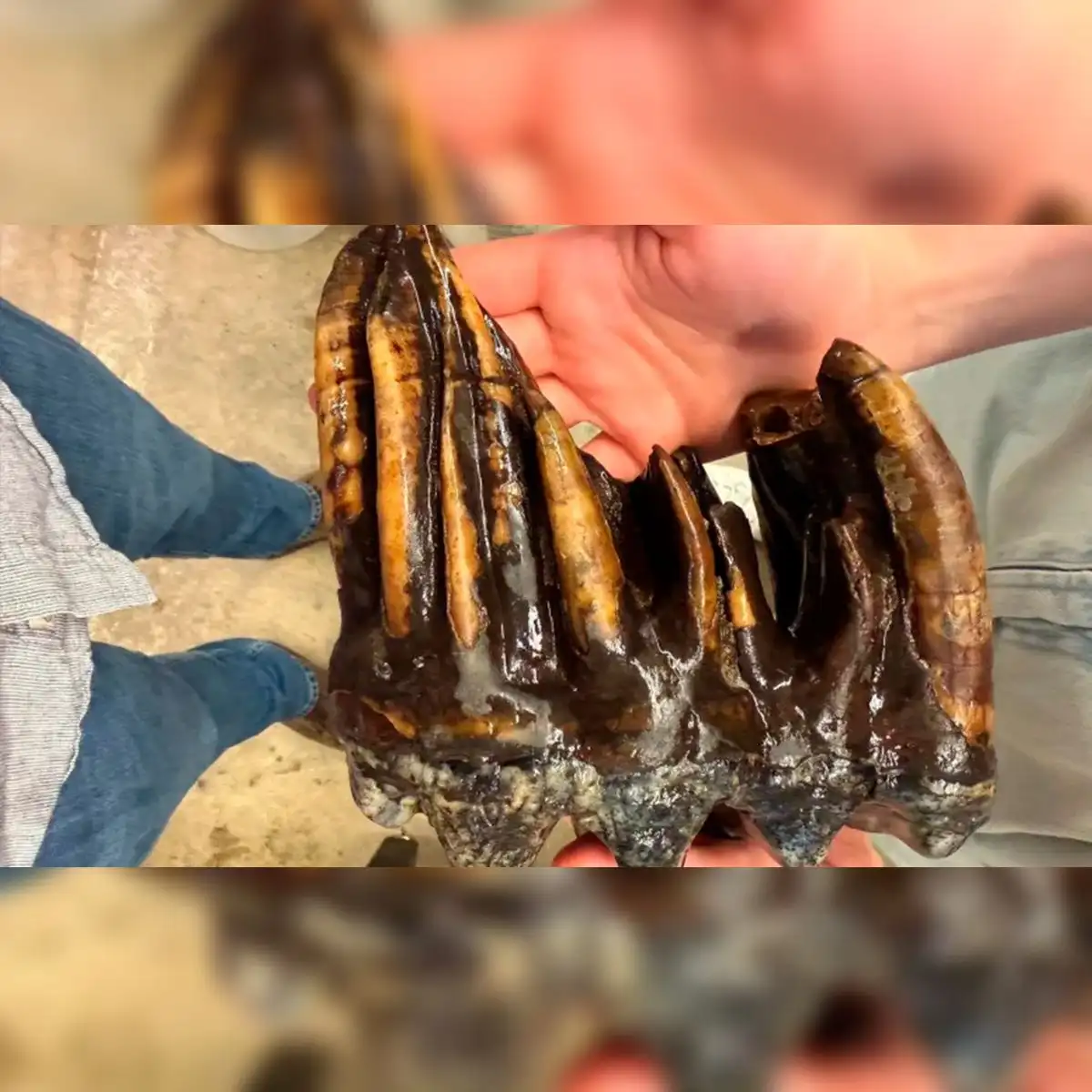
The tooth measures about 8.5 inches long, 7 inches deep and 3 inches wide. The Pacific mastodon was a large herbivore that lived during the Pleistocene, a period that stretched from roughly 2.5 million years ago to about 11,700 years ago. The species inhabited areas that today make up California, Oregon, the northern Rocky Mountains and parts of Mexico.
Wayne Thompson, a paleontologist and owner of the firm Pacific Paleontology, said it was the most complete mastodon molar found in their area and the most spectacular specimen he had ever seen. He said the discovery gave him chills all over his body.
How a Mastodon Differed From a Mammoth
Although the Pacific mastodon could resemble a woolly mammoth, and both animals were distant relatives of modern elephants, the two had important differences. A mastodon's molars were adapted for crushing branches and other tough vegetation, unlike the flatter, ridged teeth mammoths used to grind grasses.
What Happens Next
The fossil has been donated to Stanford University's Doerr School of Sustainability. Researchers plan to determine its exact age through carbon dating and to carry out a 3D scan of the specimen.
Christine Garcia, curator and head of the geosciences specimen collection at Stanford, said fossils allow scientists to better understand Earth's past, the animals that lived on it and the ecosystems they were part of. She said that knowledge can also help people make better decisions to protect ecosystems and biodiversity in the future.


