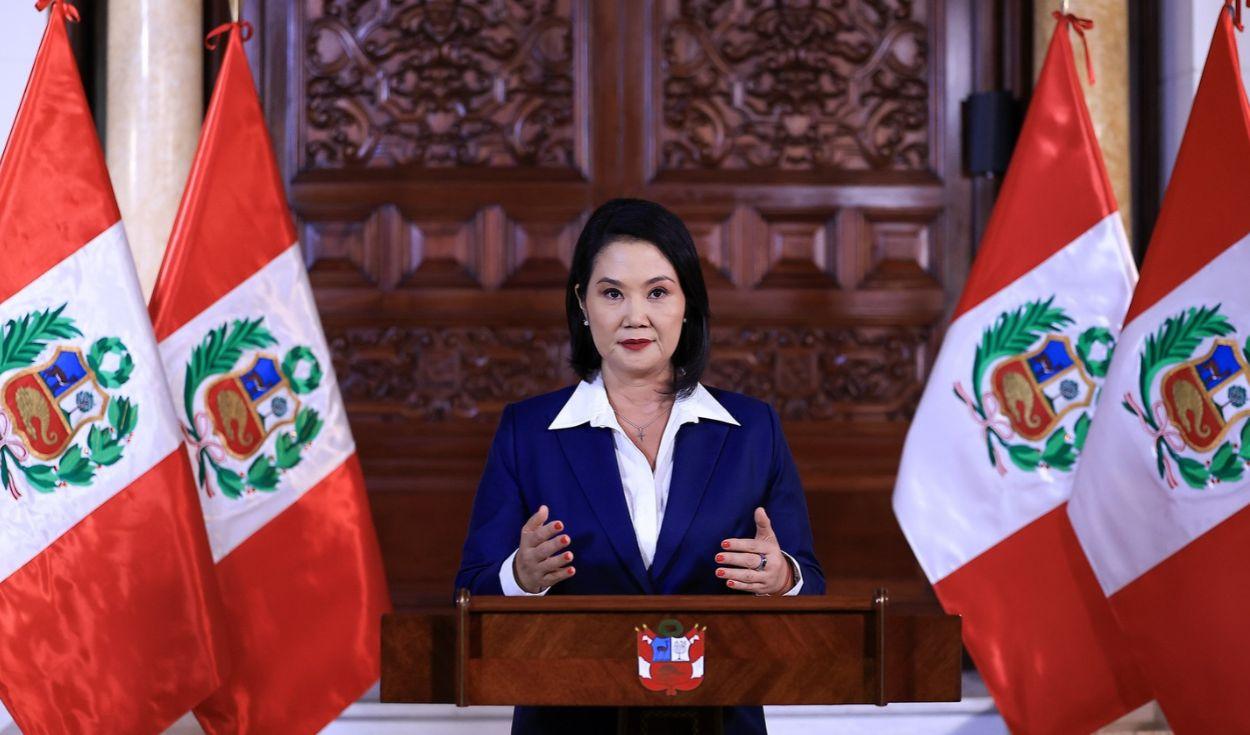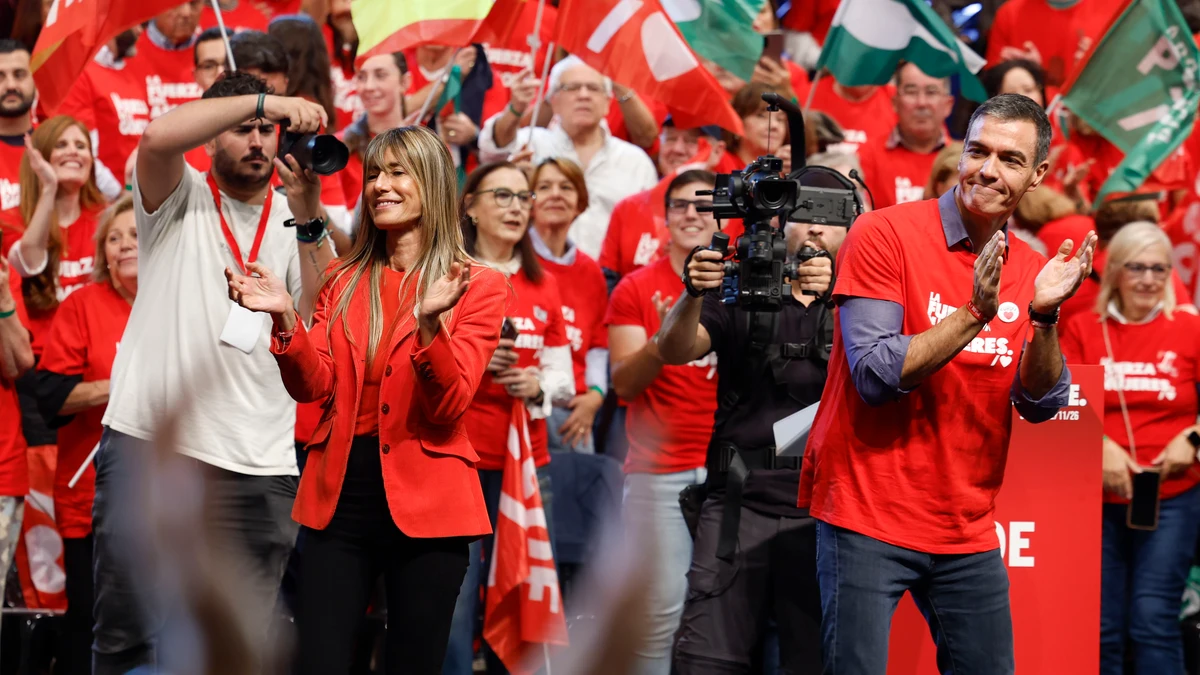
Begoña Gómez, the wife of Spanish Prime Minister Pedro Sánchez, took a high-profile role at the launch of her husband's campaign for Spain's November 29 general election, and columnist Jorge Fernández Díaz said nothing like it had happened before in Spanish politics.
Fernández Díaz, a journalist who served as Spain's interior minister in a Popular Party government between 2011 and 2016, made the point in his regular opinion column, El Trípode. He said Spanish political parties typically impose a precautionary suspension of membership on members under judicial investigation for alleged corruption, and argued that the only explanation for Gómez's prominent campaign role was that she is the prime minister's wife, a status he said runs directly against what she herself has said she wants to move beyond.
Begoña Gómez's judicial investigation
Gómez has faced a judicial investigation in Madrid since 2024 over allegations linked to an influence-peddling case, a matter opposition parties have repeatedly cited against Sánchez's government. Sánchez has led the Socialist Party since 2018 and has served as prime minister since that year. Fernández Díaz argued that giving Gómez such central billing at the campaign launch underlined the contradiction he was describing.
Abascal cancels interview with influencer
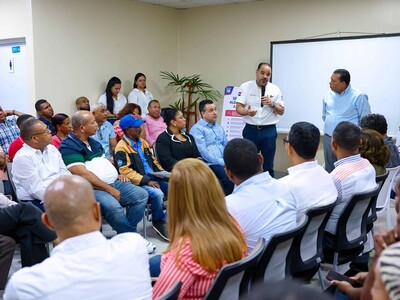
The column also addressed the campaign run by Santiago Abascal, the Vox candidate for prime minister, who cancelled a planned interview with Jordi Wild, a Spanish YouTuber and podcaster well known among young audiences for his programme The Wild Project. Fernández Díaz said the cancellation received unusually heavy coverage across Spanish media, particularly broadcasters.
He linked that attention to Abascal's standing in the polls, where, according to most published surveys, Vox sits in third place with support close to 20%. Vox is a far-right party founded in 2013 that has for several election cycles been Spain's third-largest parliamentary force under Abascal's leadership.
A disputed poll
Fernández Díaz said the 20% figure excluded the survey run by Spain's Centro de Investigaciones Sociológicas (CIS), the state-funded polling body headed by José Félix Tezanos, which he accused of being used as a tool to serve the political interests of Sánchez's Spanish Socialist Party (PSOE) rather than conducting independent research. The CIS is Spain's main public opinion research institute, and Tezanos, who has close ties to the Socialist Party, has faced similar criticism from opposition figures for years.
Record audience for Broncano show appearance
Fernández Díaz also pointed to Abascal's appearance on La Revuelta, the nightly talk show hosted by David Broncano on Spain's public broadcaster, RTVE, which has become one of the most-watched programmes on Spanish television and which he said drew a record audience of close to five million viewers for Abascal's appearance.
He said the booking had drawn criticism from government circles over inviting Abascal, whom supporters of Sánchez's government describe as representing the far right, onto a publicly funded programme. He added that the same show had also hosted candidates such as Ada Colau, the former mayor of Barcelona between 2015 and 2023 and a prominent figure of the Spanish left, which he said was enough to show who now controlled what was once one of Spain's leading television networks.
Polls point to a possible PP-Vox coalition
According to Fernández Díaz, daily polls and tracking surveys currently point to a clear majority in favour of a change of government, represented by a coalition between the Partido Popular (PP), Spain's main centre-right opposition party led by Alberto Núñez Feijóo, and Vox, and a clear defeat for the political project built around Sánchez, often referred to in Spanish political commentary as sanchismo.
He argued that PSOE was trying to pull voters from parties to its left into its own candidacy for Spain's Congress of Deputies, mirroring the approach it had already used for its Senate list. He said that strategy would leave the Frente Amplio coalition of left-wing parties sharply reduced rather than broadened, and would push Podemos, the left-wing party founded in 2014, close to losing its place in parliament altogether. The aim, he wrote, was to narrow PSOE's distance from the PP and ensure that, even in an unfavourable result, Sánchez could remain leader of the opposition.
Lula's visit to Spain
Fernández Díaz noted that Luiz Inácio Lula da Silva, the leftist president of Brazil who previously led the country from 2003 to 2011 and returned to office in 2023, visited Spain on the Monday before the column was published, in what he described as an attempt to help turn around unfavourable polling for the Socialist party. He said he would return to the subject of Lula's visit in a future column.
What happens next
Spain holds its general election on November 29.
Test yourself
Who is Begoña Gómez married to?
What did Santiago Abascal cancel according to the column?
What does Fernández Díaz accuse the CIS polling body of doing?
Have your say
Should a prime minister's spouse take a prominent role in an election campaign while under judicial investigation?
Where it happened
Madrid, Spain