
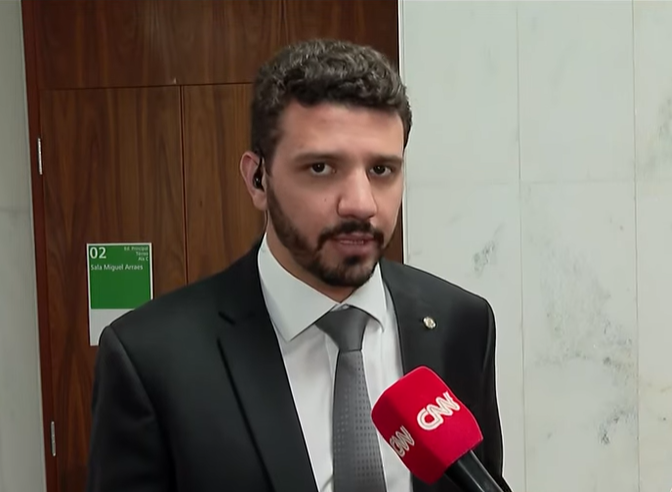
Brazil's Federal Police raided the parents of federal deputy Neto Carletto in Bahia on Tuesday in an investigation into the suspected diversion of public funds. Officers targeted Mariza Aparecida Carletto and Orlando Sulz de Almeida Filho over parliamentary budget allocations known as Pix amendments.
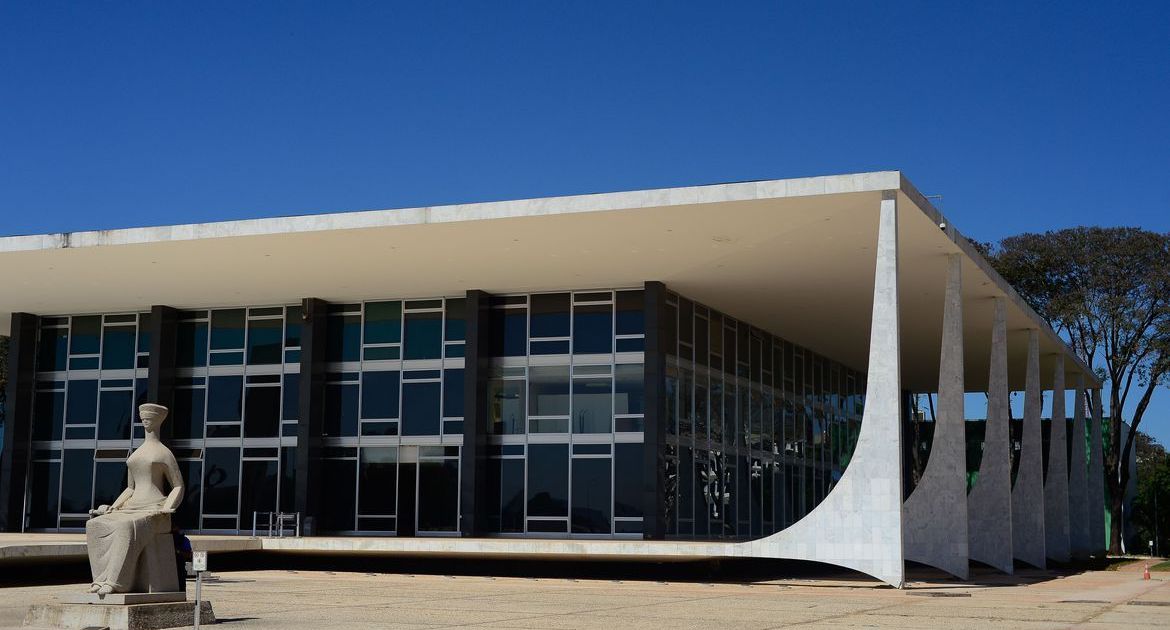
Investigators executed five search and seizure warrants in the municipalities of Porto Seguro, Eunápolis and Itamaraju in southern Bahia. Supreme Federal Court Justice Flávio Dino authorized the warrants as part of an inquiry dubbed Operation Parallel Flow.
During the Tuesday raids, agents seized more than R$ 607,000 in cash, three mobile phones and one computer. Police also confiscated jewelry that remains pending a detailed inventory.
Alongside the lawmaker's parents, the operation targeted the transport company Expresso Brasileiro Transportes, which is run by the deputy's uncle, Paulo Cesar Carletto. A fourth target, Juliana de Oliveira Lima, is under investigation for making cash withdrawals from the bank account of the lawmaker's mother.
Audit findings and R$ 8.63 million in Pix amendments
The Federal Police investigation focuses on two parliamentary amendments allocated by Neto Carletto, a member of the Avante party representing Bahia in Brazil's Chamber of Deputies. Those two budget allocations totaled R$ 8.63 million between 2020 and 2024.
Operation Parallel Flow grew out of an earlier inquiry into suspected irregularities in federal funds sent to municipalities in Bahia through special parliamentary transfers. An audit conducted by the Office of the Comptroller General, known in Brazil as the CGU, uncovered evidence of severe irregularities in how the money was spent.
Auditors cited evidence of bidding fraud, payments for services that were never performed, overbilling and a lack of traceability for the public funds. The CGU serves as the federal government's internal control and anticorruption agency, auditing how ministries and local governments spend money from the national budget.
Cash withdrawals and bank transfers under investigation
While tracing the path of the money, the Federal Police and the Council for Financial Activities Control, Brazil's financial intelligence unit known as Coaf, found a pattern of repeated cash withdrawals by individuals connected to the congressman. Investigators reported that Mariza Aparecida Carletto scheduled multiple bank visits to withdraw large sums of physical cash.
In August 2026 alone, scheduled withdrawals reached R$ 762,989. Out of that amount, R$ 650,000 was taken from her personal bank account, with Juliana de Oliveira Lima designated to carry out the withdrawals.
Police also identified Lima as the person responsible for separate cash withdrawals exceeding R$ 200,000. According to the Federal Police, official records list her as a rural worker employed by a relative of the deputy at a monthly wage of roughly R$ 1,450, an income investigators described as incompatible with the volume of money she handled.
On both occasions, after collecting the cash at the bank branch, Lima went straight to the garage of Expresso Brasileiro Transportes. Investigators noted that she traveled in a vehicle that had previously been rented by Neto Carletto himself.
Millions moved through family accounts and companies
The financial probe also implicated the lawmaker's father, Orlando Sulz de Almeida Filho. Investigators identified him as responsible for withdrawing R$ 300,000 in cash from a bank account belonging to Monte Pascoal Praia Hotel Ltda., a hotel company linked to the deputy.
Separate records compiled by Coaf show that Almeida Filho made 23 cash withdrawals totaling R$ 3.4 million. Coaf monitors banking activity across Brazil and flags atypical cash movements for law enforcement agencies investigating financial crimes.
Financial reports further indicated that the deputy's mother transferred more than R$ 1 million directly into Neto Carletto's personal account. She also sent large sums to O. Sulz de A. Neto Ltda., a company owned by the congressman.
In one transaction documented by investigators, Neto Carletto received R$ 750,000 from his mother through Brazil's instant payment system, Pix, and then transferred the money to his own firm. Created by the Central Bank of Brazil in 2020, Pix allows instant electronic transfers between bank accounts at any hour.
Suspected election crimes and oversight of special transfers
Based on the banking records, the Federal Police suspect three criminal offenses: embezzlement of public funds, money laundering, and the diversion of money to illegal campaign slush funds or unreported electoral expenses. Investigators linked the electoral hypothesis to the timing ahead of the 2026 elections and to records showing cash being transported in vehicles used in political campaigns.
In a statement, Neto Carletto emphasized that he is not a target of the police operation. The lawmaker added that he had full confidence in the integrity and proper conduct of the individuals reached by the search and seizure warrants. CNN reported that it was seeking comment from the four targets and that space remained open for their responses.
The case adds to scrutiny at the Supreme Federal Court over the budget mechanism nicknamed Pix amendments. Formally classified as special transfers, these allocations let lawmakers send federal funds directly to states, the Federal District or municipalities without requiring a formal agreement or contract.
In July 2026, an audit conducted by the Federal Court of Accounts, Brazil's external public spending watchdog known as the TCU, found irregularities in approximately 82% of Pix amendments.