

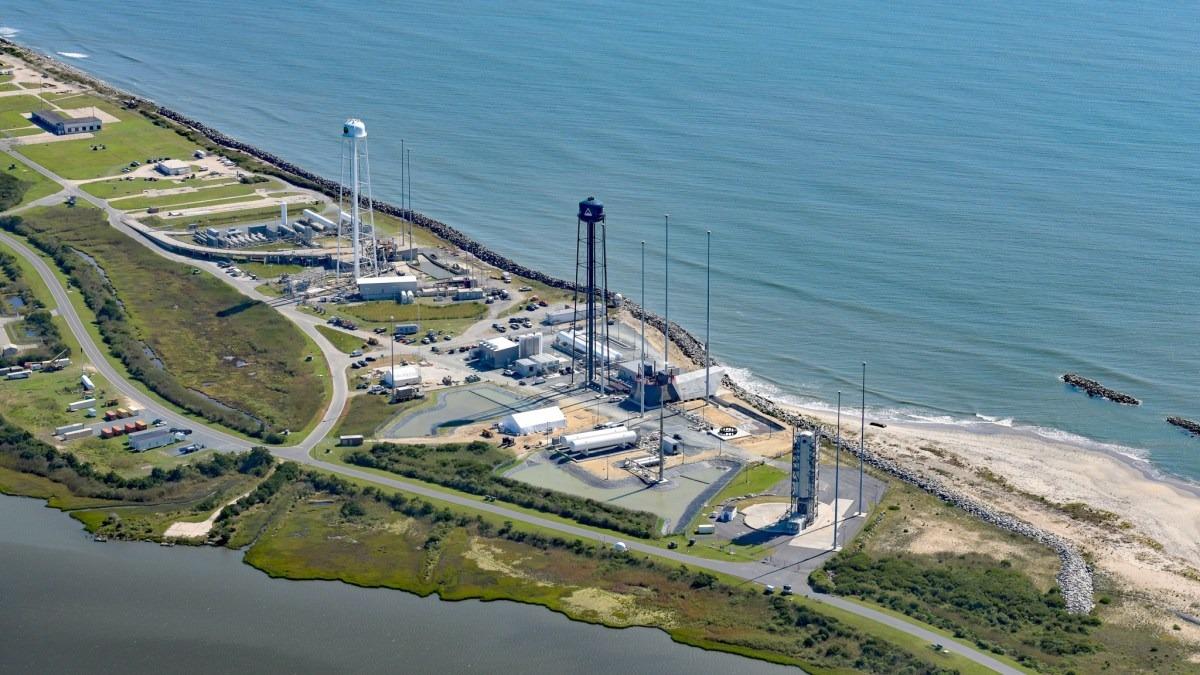
NASA Wallops Flight Facility in Virginia is preparing for a launch surge, with missions projected to grow from 17 in 2025 to 44 in 2030.
According to a forecast by the NASA Office of Inspector General, launch volume across the facility including pads operated by the Virginia Spaceport Authority will increase 2.6-fold over the five-year period. At an industry event on August 12, 2026, company representatives and local government officials stated that expanding infrastructure in advance is essential to accommodate the growth, with industry expectations pointing toward roughly weekly launches in the future.
Commercial space firms Firefly Aerospace and Rocket Lab will drive the majority of the planned expansion. Firefly Aerospace plans to begin launching its light Alpha rocket and medium-class Eclipse rocket from the Virginia site in 2027. Wallops also hosts suborbital testing, including launch operations for the MACH-TB 2.0 hypersonic program conducted by Kratos Defense and Security, as well as HASTE, a suborbital variant of Rocket Lab's light Electron rocket.
Both Firefly Aerospace and Rocket Lab selected Wallops in part due to heavy congestion at the Cape Canaveral spaceport in Florida. Located on the Eastern Shore of Virginia, Wallops provides an alternative East Coast launch location for commercial satellite and suborbital payloads.
Operational Adjustments and Pad Constraints
Handling the increased launch frequency will require broader improvements beyond building new launch pads and flight control centers. NASA Wallops Director David Pierce said that the agency is already working with Rocket Lab on process efficiency initiatives, which have successfully cut launch support costs for the company in half.
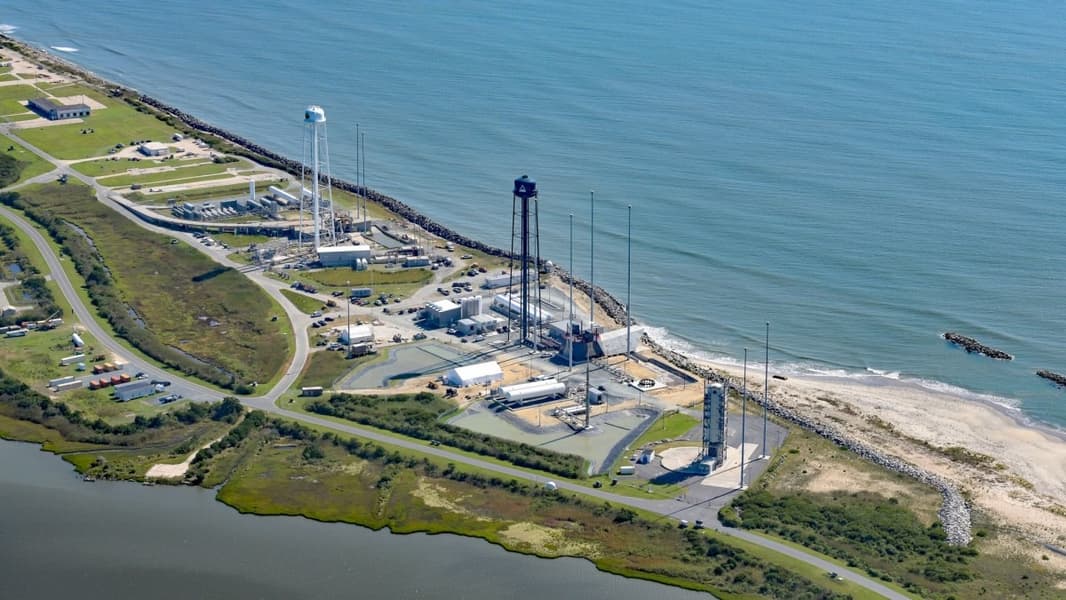
Engineers also face physical constraints on site, where some launch pads are situated only a few meters apart. Pierce noted that higher launch rates will require far more precise operational planning to prevent scheduling conflicts and maintain safe distance requirements between active pads.
Regional Infrastructure and Management Restructuring
The growth is also placing heavy demands on surrounding communities outside the facility gates. Local authority representatives identified social infrastructure as a critical bottleneck, citing urgent needs for additional housing, medical services, child care facilities, hotels, restaurants, and expanded transportation networks.
Because most Wallops employees live in neighboring Maryland, officials from both Virginia and Maryland said that state authorities must work together to improve regional roads and strengthen transport connections to local airports and sea ports.
To streamline future launch activities, NASA recently reorganized internal management structures by shifting Wallops launch operations from the Goddard Space Flight Center in Greenbelt, Maryland, to the Kennedy Space Center in Florida. Pierce said that placing operations under unified management will help the facility deploy existing resources more efficiently and sustain a higher launch frequency in the years ahead.


