Stress and burnout may feel like modern problems, but historical documents show that monks were grappling with nearly identical symptoms more than 1,600 years ago.
The religious writer John Cassian described a state of physical and emotional exhaustion that the Greeks called akedia, marked by low spirits, fatigue and a rejection of everyday tasks. His writings indicate the condition particularly affected those living lives of discipline and isolation.
Cassian's proposed remedy was to alternate intellectual work with manual labor. When mental effort produced weariness, he advised turning to physical tasks, and returning to contemplation once concentration had been restored.
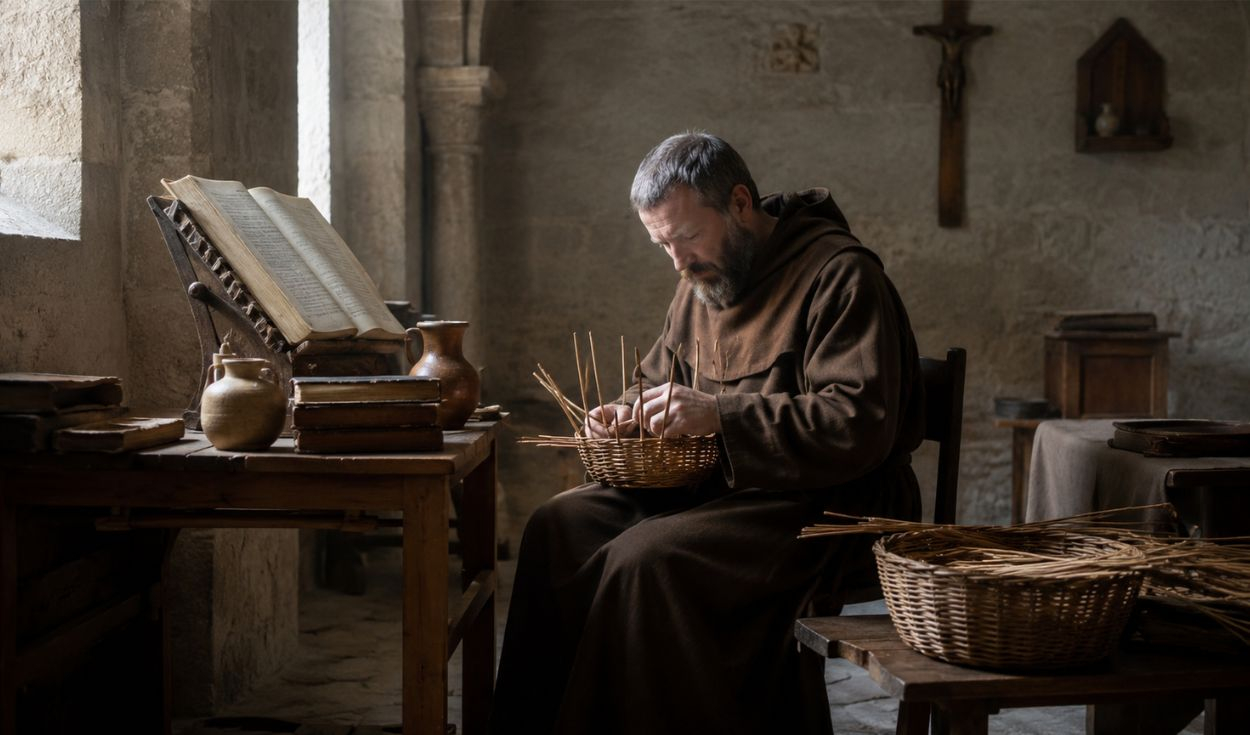
He cited the example of the abbot Paul, a monk who wove baskets throughout the year even when he had no prospect of selling them. Cassian argued that staying occupied was what mattered, not the outcome, because it reduced low spirits and restored emotional balance.
From akedia to burnout
The concept of akedia shifted over time. Pope Gregory the Great later linked it to sloth and folded it into Christian tradition as one of the seven deadly sins, though the symptoms he described still reflected exhaustion and a loss of motivation.
During the Middle Ages, the Church began addressing the condition through extended conversations in the confessional. It was not until 2019 that the World Health Organization officially recognized burnout as a phenomenon linked to chronic, poorly managed workplace stress.