
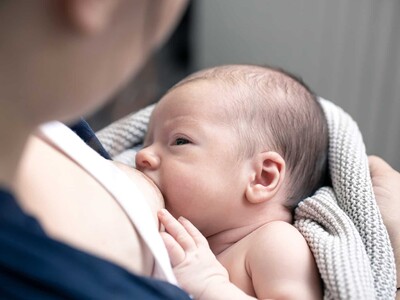
Mastitis, an inflammation of breast tissue, can become a medical emergency if left untreated, according to Dr. Francis Aquino, a gynecologist and obstetrician who subspecializes in gynecologic oncology at Médico Express.
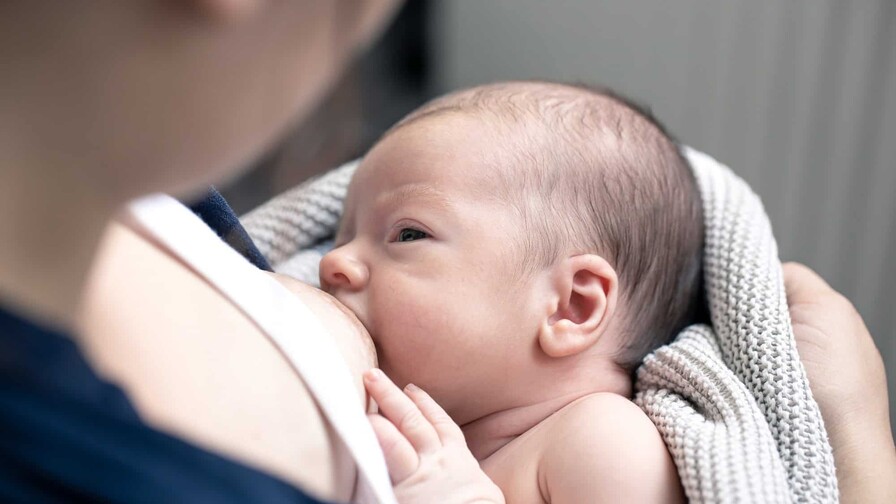
Aquino said the condition is often linked to breastfeeding but can also occur in women who are not nursing. He explained that it frequently develops when milk builds up in the breast ducts and the breast fails to empty completely.
Aquino said the main cause is milk retention or stagnation, which is favored when feedings are infrequent, the baby does not latch properly, or the mother produces an excess of milk. He added that a bacterial infection, usually from staphylococcus, can follow, entering through cracks or small lesions on the nipple and turning the initial inflammation into an infection requiring medical treatment.
Beyond breastfeeding
Mastitis is most common in the first weeks after childbirth, but it can also appear in women who are not lactating. In those cases, Aquino said it may be linked to infections entering through wounds, nipple piercings or skin lesions, or to blocked milk ducts caused by hormonal changes, thick secretions or ductal ectasia.
He said risk factors include smoking, diabetes, a weakened immune system, breast trauma and wearing clothing or bras that are too tight.
When to see a doctor
Symptoms usually appear suddenly and typically affect only one breast, according to Aquino. They include intense pain, inflammation, redness often shaped like a wedge, increased warmth in the affected area, and a hardened spot or painful lump. A burning sensation during breastfeeding can also occur.
General symptoms can include fever above 38 degrees Celsius, chills, extreme fatigue, headache, nausea and flu-like discomfort. Aquino said mastitis is not always an immediate emergency but should not be underestimated: if not treated in time, the infection can progress into a breast abscess requiring surgical drainage, and in rare cases bacteria can spread and cause sepsis, a potentially serious complication.
Continuing to breastfeed aids recovery

Aquino said nursing during mastitis can be challenging because of sharp, intense pain in the first minutes of feeding that improves afterward. He said one of the most common mistakes is stopping breastfeeding out of fear of the discomfort, which can make the condition worse, while continuing to nurse speeds recovery by emptying the breast.
He said treatment includes frequent feedings, warm compresses before nursing, gentle massage to encourage milk flow, rest, staying well hydrated, and using pain relievers compatible with breastfeeding when a doctor recommends them. If a bacterial infection is present, antibiotics are needed, with effects usually noticeable within 24 to 48 hours, though full recovery can take several days and the treatment should be completed even if symptoms disappear sooner.
Emotional toll
Aquino said mastitis can also affect a mother's emotional wellbeing, since pain, fever and exhaustion make it harder to rest and care for a newborn. Many women experience anxiety, frustration or fear of being unable to continue breastfeeding, especially when the diagnosis delays establishing a routine with the baby. He said the condition affects physical, mental and family health, and that being forced to stop breastfeeding earlier than desired can also take an emotional toll on the mother.
Prevention
Aquino said the risk of developing mastitis can be reduced by ensuring a good latch and correct positioning of the baby from the start of breastfeeding, nursing on demand and emptying both breasts properly, alternating positions during feedings, treating nipple cracks or injuries immediately, avoiding bras or clothing that press on the breasts, and maintaining good hydration, balanced eating and enough rest.