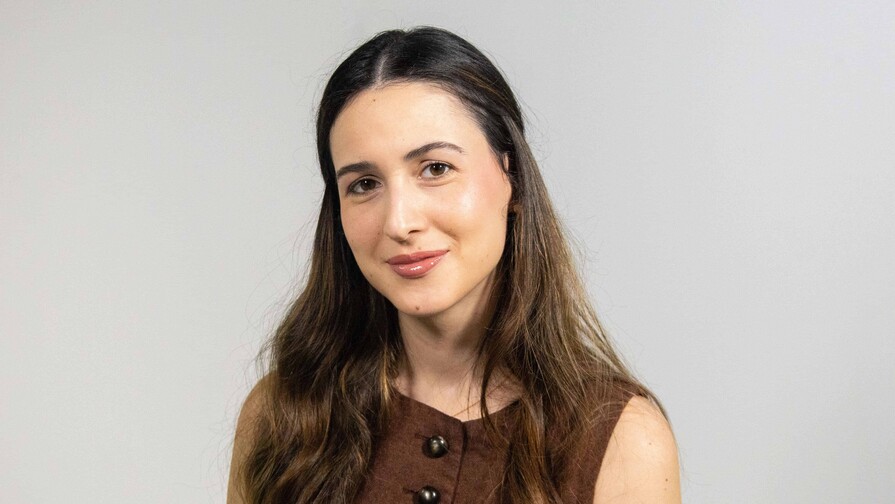
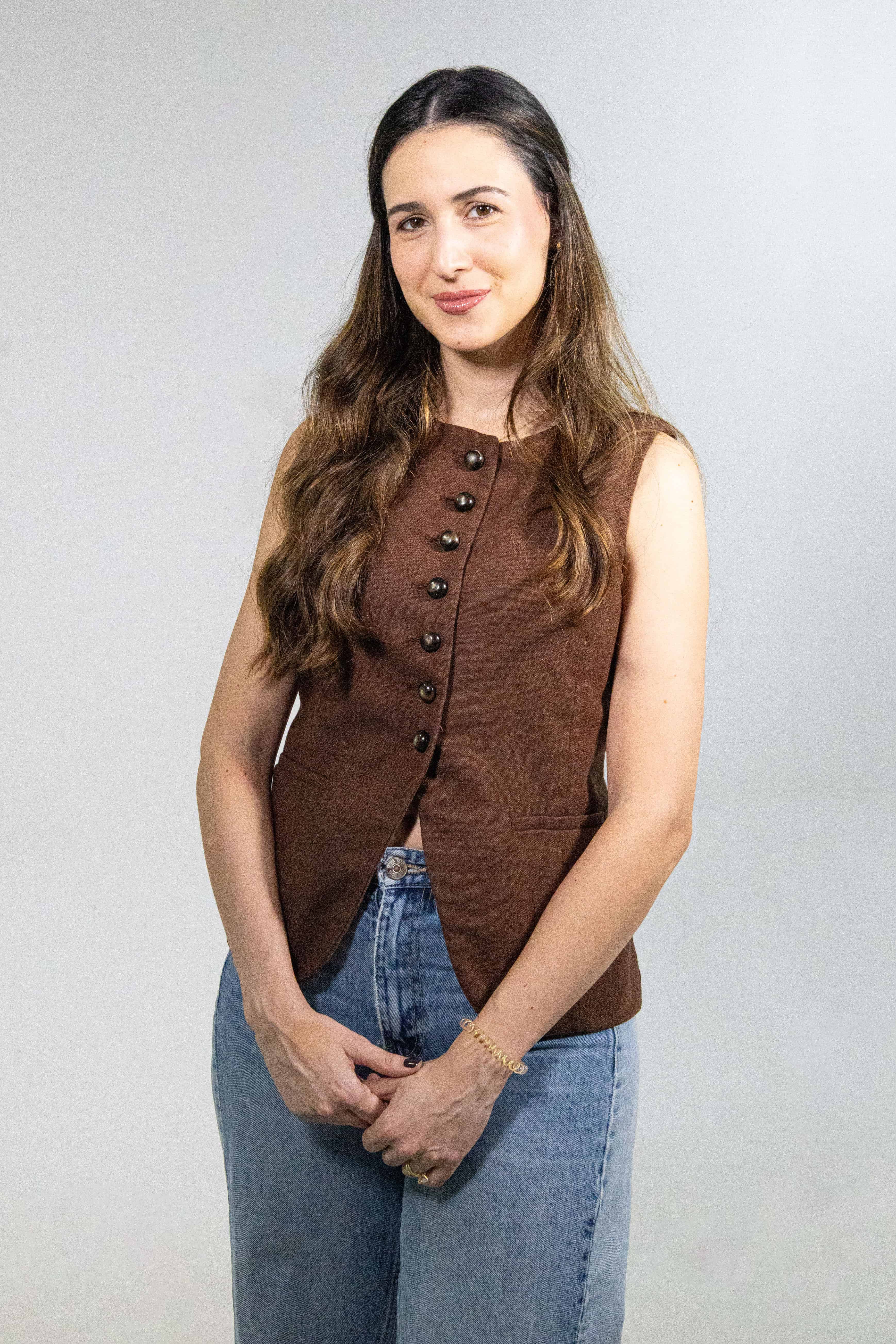
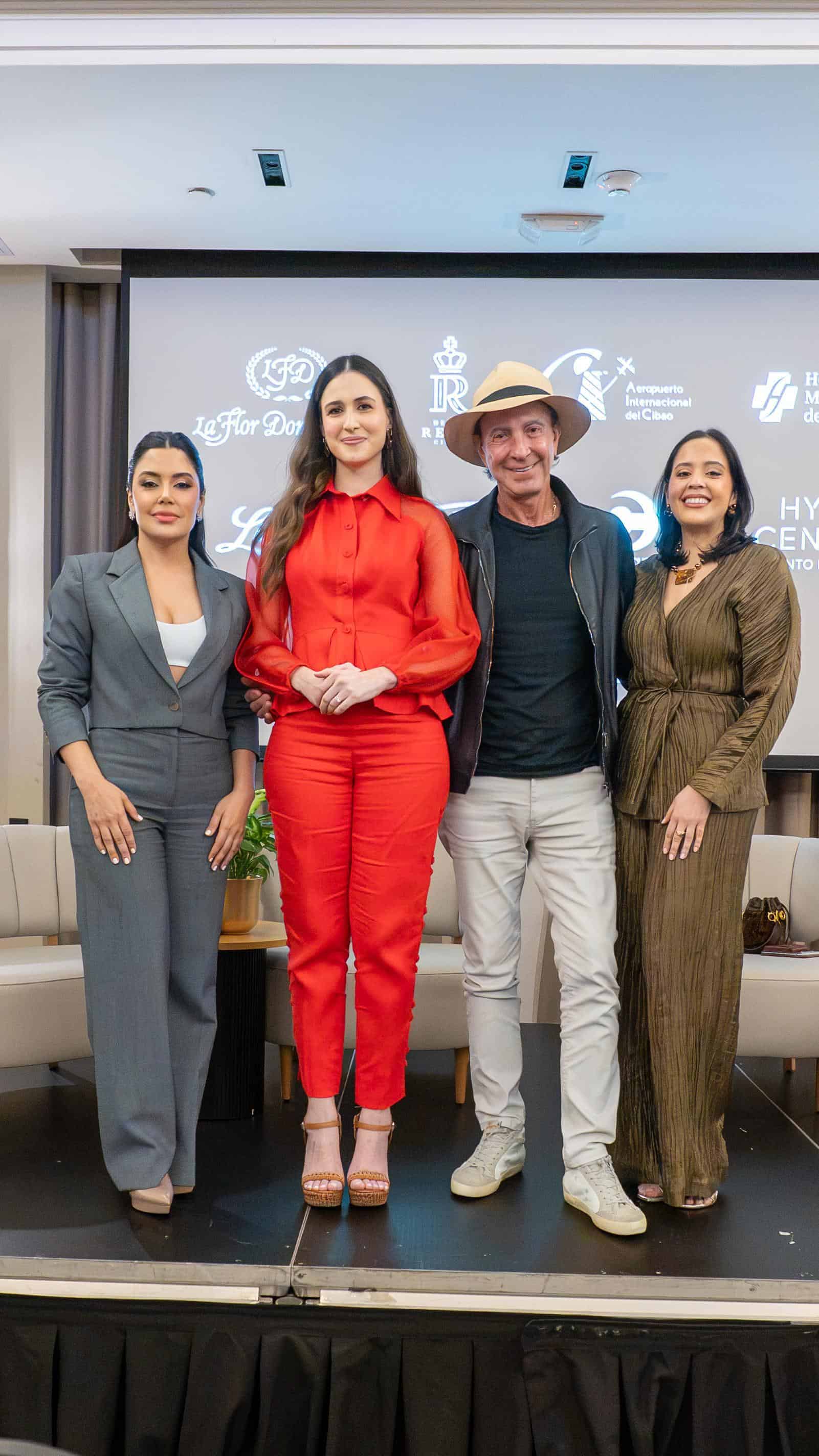
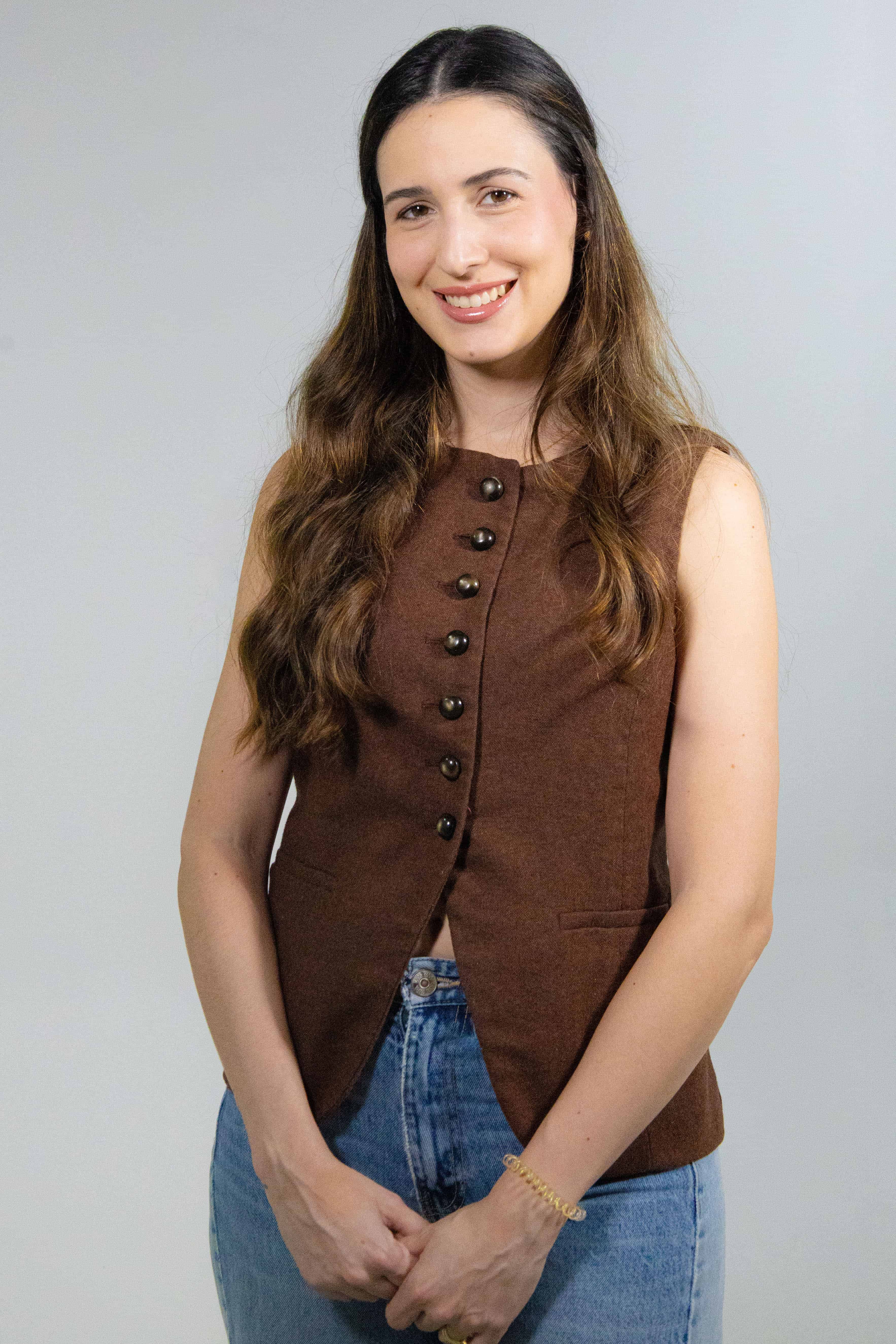
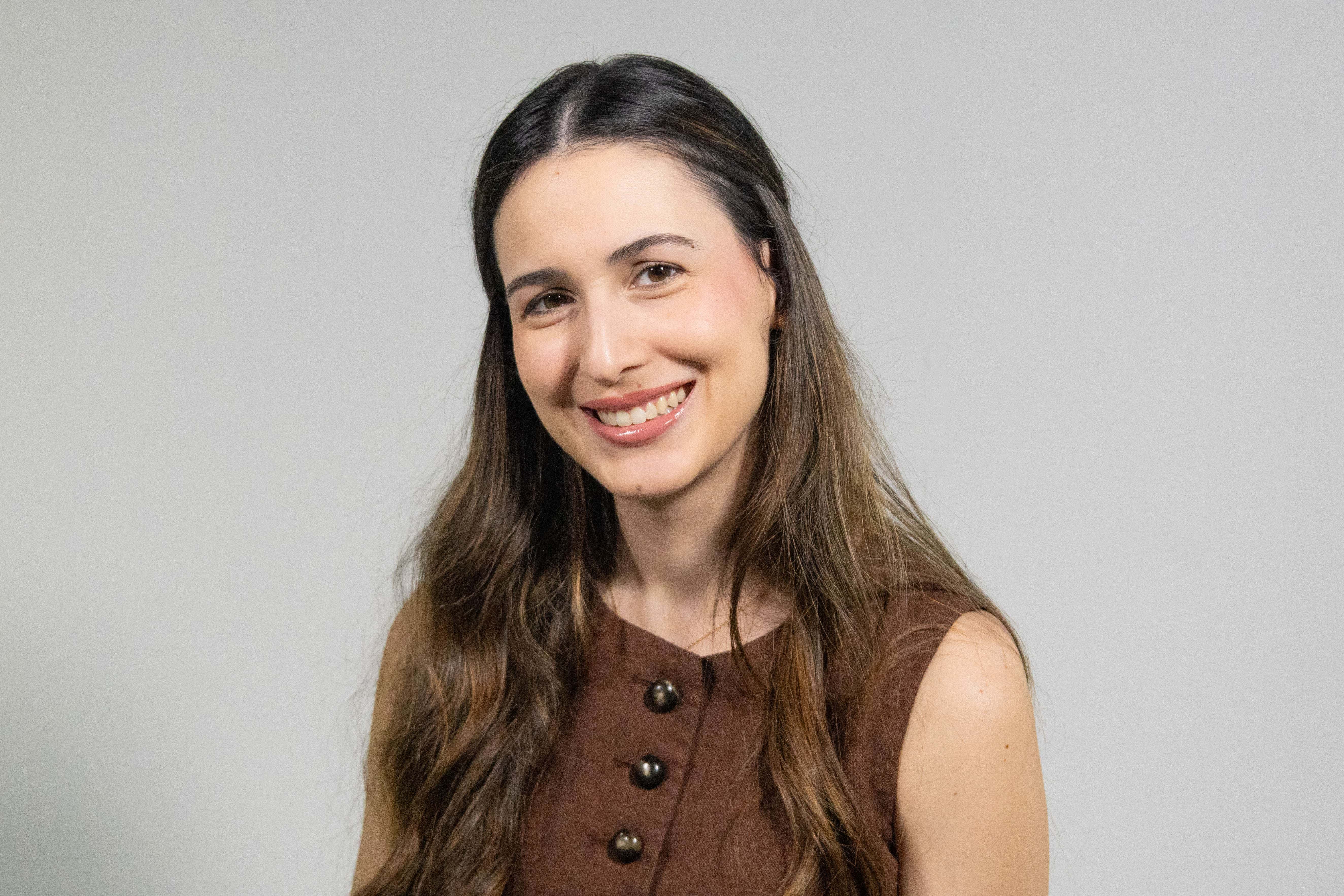
Dominican filmmaker Mariel Aponte will release her new documentary feature Más allá del humo in Caribbean Cinemas movie theatres on October 29.
The 71-minute film, presented in Spanish and English, explores the personal stories, family heritage, and generational traditions behind the Dominican Republic's cigar trade. Produced by Sterlyn Ramirez through Selene Films, the production moves past commercial figures to examine the workers, farmers, and factory owners sustaining an iconic national industry.
Aponte explained that behind every Dominican cigar lies a history of multi-generational households, continuous personal labor, and deep-seated traditions. Rather than focusing solely on export statistics, the documentary examines how families understand work, hospitality, and the transmission of their craft.
Origins of the film project
The project began when Aponte met producer Sterlyn Ramirez at a film festival. Aponte was looking for a producer, while Ramirez was seeking a director. Ramirez already had a close connection to tobacco culture through her grandfather's work in the trade.
Aponte recalled that their plans aligned at the gathering. Screenwriters Marite Hugas and Mariana Rondon soon joined the team to help develop the script.
To the original accounts focused on Nirka Reyes and Tony, the screenwriters added Wander, a young man who grew up connected to the industry but seeks to build his own path. In an unusual creative choice blending documentary observation with fiction, Wander was portrayed by a professional actor.
The factory workers and community members sharing the set with Wander did not know he was performing. His surrounding environment, including his family, formed part of the real community the production intended to portray.
Aponte explained that introducing an actor into an authentic setting prompted reflection on the responsibility of telling other people's stories. Involving the subjects in how their lives were depicted allowed the crew to work from a closer, more respectful perspective.
Human stories behind the cigar trade
A major challenge during production was preventing the documentary from turning into an institutional corporate video. Aponte found her directorial angle after researching the Dominican Republic's position in the international tobacco market and asking why the nation was number one.
Aponte explained that factory owners served as an instrument to answer that question, a shift she introduced to keep the film from feeling overly corporate. By focusing on personal experiences, the production examines the human dynamics behind the country's export leadership.
Among the featured figures is Nirka Reyes Estrella, a factory director navigating an industry traditionally dominated by men. Aponte highlighted that Reyes displayed empowerment without confrontational stereotypes, maintaining a calm and feminine approach. When others underestimated her, Reyes dismissed the doubts and kept working, which Aponte described as a valuable lesson. Aponte added that Reyes secured her standing simply by showing up repeatedly until she carved out her space.
The documentary also focuses on Litto Gomez, known as Don Lito, alongside his son Tony, chronicling how tobacco craftsmanship passes between generations. During filming, Gomez decided to construct a museum dedicated to his father, an unplanned tribute that altered the original storyline.
Aponte acknowledged that the experience taught her to listen more attentively and adapt to unexpected real-life developments. That willingness to follow unfolding events proved decisive during production, which spanned multiple filming stages in Santiago and Las Vegas between 2023 and 2024.
Family legacy and artisanal leaf harvesting
When asked what the production team discovered beyond the smoke of the cigar business, Aponte answered without hesitation that they found families and tradition. During their research, the crew found that the intergenerational transmission of the craft was a constant presence across every household.
Aponte reflected that she had never anticipated that the concept of tradition could generate so many internal tensions, observing that family heritage could prove to be either the best or the worst influence on individual lives.
The filming also provided Aponte with close contact with the physical process of making cigars. She was particularly captivated by the harvesting of tobacco leaves and the distinct tearing sound produced as leaves separate from the plant stalk, an auditory detail she chose to place at the very beginning of the film.
Aponte expressed surprise at the extensive manual labor and patient timeline needed to yield a finished cigar. However, she emphasized that her greatest lesson was learning how each family understands work, domestic hospitality, and personal relationships.
Documentary innovation and future projects
The narrative structure transformed significantly during post-production. An initial cut presented the individual stories separately, but a revised second edit introduced Wander as the guiding thread connecting the entire feature. Aponte observed that a documentary is effectively written three times: on the page, on set, and in the editing room.
Aponte asserted that while many people consider documentary and fictional cinema to be direct opposites, the two styles are actually first cousins. She plans to pursue that crossover in future work, including a docufiction project currently in development with Ramirez that will integrate professional actors into real-world documentary settings.
The experience also strengthened Aponte's appreciation for Dominican film incentives, which she identified as essential for sustaining the country's cinematic industry. She expressed that members of the public rarely realize that every completed movie is a miracle. Aponte added that the documentary format is driving the greatest innovation in local cinema because of its ability to experiment with visual language and storytelling methods.
Theatrical screenings in Dominican cinemas
Screenings open on October 29 across Caribbean Cinemas theatres in Santo Domingo and Santiago. Aponte said she hopes audiences discover both the manufacturing process and the personal stories behind the craft, noting that early preview audiences had even been moved to tears by the personal struggles depicted on screen.
The documentary invites viewers to approach an iconic national export from a fresh perspective: through the eyes of the people who build it, inherit its traditions, and discover an essential part of their own lives within it.