Lisbon City Council's deputy mayor, Gonçalo Reis, said on Friday that the municipality had made good use of Portugal's Recovery and Resilience Plan (PRR), securing around 584 million euros in European funding, matched by 321 million euros in municipal investment.
That combination produced a total investment package of 905 million euros, of which the PRR covered 65 percent, Reis said. More than 80 percent of that overall investment went to housing, he added.
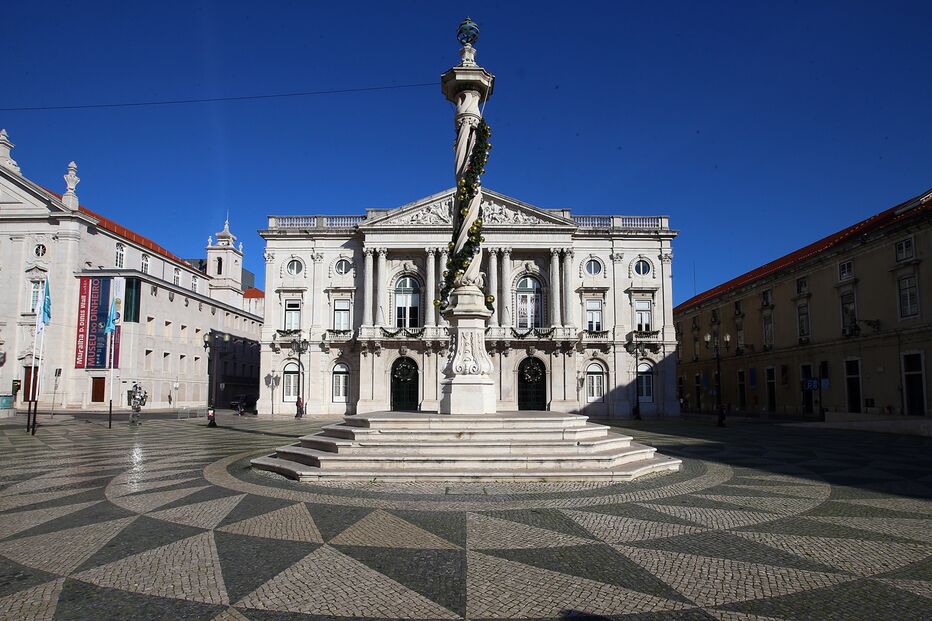
Reis, who holds the Finance portfolio and is a member of the Social Democratic Party (PSD), made the comments at the 1st Permanent Commission for Finance, Heritage and Human Resources of the Lisbon Municipal Assembly, where he presented the council's budget execution for the first half of the year.
The PRR was raised by CDS-PP municipal deputy Francisco Camacho. Reis said the programme's overall balance was positive, since its execution deadline ended in late August and it had accelerated and given significant scale to infrastructure investment programmes, particularly in housing.
The PRR is the European Union-backed recovery and resilience programme that channels EU funds to member states, including Portugal, to finance infrastructure and public investment.
Life after the PRR
Reis said that, like all good things that come to an end, the closing of the PRR also created problems for Lisbon, which will need to find other forms of financing, including the EU's Sustentável 2030 funding programme, to keep investing in the city, especially in housing.
Answering a question from PSD deputy Américo Vitorino, Reis said the municipal executive, which is run by a PSD, CDS-PP and Liberal Initiative (IL) coalition holding an absolute majority after being joined by a councillor elected for Chega who later left that party, wants to speed up investments that matter for the city, including for the parish councils, drawing on some bank financing.
He justified turning to bank loans by pointing to the "large margin" the council still has for borrowing under the prudence limits set out in municipal law, and to expected increases in revenue, notably from the sale of vacant municipal properties worth around 59 million euros.
Reis said future investments should include street paving, public lighting, video surveillance, transport, schools, fire stations and cultural facilities, though he gave no further details. He said this should be reflected in the 2027 municipal budget, which is already being drafted so it can be approved by the council by the end of November and by the Assembly in December.
Budget execution and tourist tax
On this year's budget, worth 1.3 billion euros in total, Reis said first-half execution reached 35.5 percent on the spending side, worth 485 million euros, while revenue collected reached 47.2 percent, worth 644 million euros. That is 107 million euros more than the same period last year, a rise of 20 percent.
On the revenue side, Reis highlighted the tourist tax, which brought in 39 million euros in the first half of this year, after generating around 82 million euros across the whole of 2025. He said raising the tax from 2 to 4 euros had been the right call, partly to respond to the pressure tourism places on the city.
Responding to Livre deputy João Monteiro, Reis said other council fees that had not been updated for a long time would likely be revised soon, defending the council's capacity to generate its own revenue.
He also criticised left-wing parties, in particular the Socialist Party (PS), for opposing an increase in parking charges in line with inflation, an update that had not happened in Lisbon for 15 years. He said the extra revenue was needed to keep investing in public transport run by the municipal company Carris.
Debt kept at stable levels
On the council's debt, Reis said it remained at "very stable and very safe" levels in the first half of the year, standing at 484 million euros, with the annual ceiling projected at 825 million euros. He said that figure was justified by loans taken out for education and housing.
Reis said Lisbon City Council had been very prudent about borrowing given the legal debt limits it faces, adding that there was still significant potential to increase financing and speed up investment in the city.
Asked by PS deputy Jorge Marques about housing spending in the first half of the year, Reis said the execution rate stood at 39 percent, which he described as reasonable.