

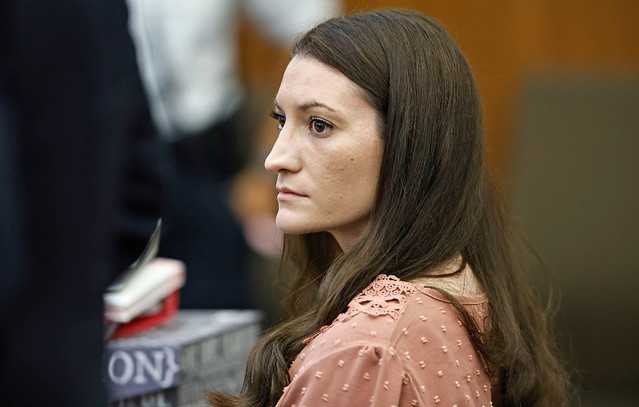
A court in Massachusetts declared a mistrial on Friday in the case of Lindsey Clancy, the mother accused of killing her three young children in 2023 and then attempting to take her own life, after jurors failed to reach a unanimous verdict. The case has renewed public debate over postpartum mental illness.
Clancy's defense argued she was suffering from the most severe form of postpartum psychiatric illness, while prosecutors described the children's deaths as premeditated murder.
The legal assessment of this particular case is separate from the wider medical discussion. Experts stress that perinatal mental health conditions are real and treatable illnesses, not a personal failure or evidence that a woman is a "bad mother."
What is postpartum mental illness
The term covers a broad range of emotional, psychological and behavioral problems that can appear during pregnancy or after a child is born. It is not a single condition. The spectrum includes the temporary sadness known as the "baby blues," postpartum depression, anxiety disorders and panic attacks, obsessive-compulsive disorder, post-traumatic stress disorder, and postpartum psychosis, which is rare but especially serious.
The most common of these conditions is postpartum depression. According to the U.S. Centers for Disease Control and Prevention, about one in eight women in the United States who have given birth reports symptoms of postpartum depression. Many cases go undiagnosed, as some mothers feel ashamed to speak up, feel guilty, or believe what they are experiencing is simply a normal part of motherhood.
Baby blues versus postpartum depression
The baby blues are very common and can appear in the first days after childbirth. They include mood swings, irritability, crying, anxiety, fatigue and a feeling that new responsibilities are overwhelming. Symptoms are usually mild and fade on their own within a few days or up to two weeks.
Postpartum depression is more intense, lasts longer and can seriously affect daily life. Its symptoms may include persistent sadness or hopelessness, loss of interest in activities that were previously enjoyable, intense fatigue and lack of energy, disrupted sleep or appetite, difficulty concentrating and making decisions, feelings of guilt, worthlessness or failure, difficulty bonding emotionally with the infant, doubts about the ability to care for the child, and thoughts of self-harm or suicide. Unlike the ordinary baby blues, postpartum depression requires evaluation by a health professional and, depending on the severity of symptoms, treatment.
Who is most at risk
Postpartum mental disorders can affect any woman, regardless of age, income or social background, and can appear even in people with no previous history of mental health problems. Factors that may increase the risk include a personal or family history of depression, anxiety or bipolar disorder; a difficult pregnancy or traumatic birth; health complications affecting the mother or infant; the birth of twins or more children; lack of support from family and social circles; financial difficulties; problems in the relationship with a partner; an unwanted or unplanned pregnancy; and severe sleep deprivation along with other stressful events.
Experts say there is no single cause. Hormonal changes, the physical strain of childbirth, lack of sleep, psychological pressure and social circumstances may all combine to contribute to these conditions.
Postpartum anxiety
Anxiety during pregnancy or after childbirth is also common and can occur alongside depression. A mother may worry excessively about her infant's health and safety, be unable to relax, feel constant fear or experience panic attacks. She may also have persistent, frightening thoughts that cause her significant distress.
Anxiety becomes a medical problem when it is intense, lasts for a long period, and makes it difficult for the mother to care for herself, her child, or to carry out everyday activities.
Postpartum psychosis
Postpartum psychosis is the rarest and most severe form of mental illness following childbirth. According to scientific estimates, it occurs in about one to two women per 1,000 births. Symptoms may include hallucinations, such as seeing or hearing things that are not there; delusional ideas and beliefs that do not correspond to reality; intense confusion and disorganized thinking; paranoia; sudden and extreme mood swings; a greatly reduced need for sleep; unusual agitation or hyperactivity; and dangerous thoughts or behaviors.
Postpartum psychosis is a medical emergency because it can endanger both the mother and the child. It requires immediate evaluation and often hospitalization. The presence of frightening or unwanted thoughts does not automatically mean a woman will act on them. However, any report of self-harm, thoughts of harming the child, hallucinations, delusions, or a loss of contact with reality must be addressed immediately by health professionals.
How these disorders are treated
Treatment depends on the diagnosis and the severity of symptoms. It may include psychotherapy, medication, or a combination of both. The choice of medication during pregnancy or breastfeeding must be made exclusively in cooperation with a doctor, so that the benefits and potential risks for mother and child can be weighed.
Support from family is also important, particularly with caring for the infant, allowing the mother rest, and enabling her to follow through with treatment. In severe cases, and especially with postpartum psychosis, immediate hospitalization may be necessary.
Doctors recommend seeking help when symptoms last longer than two weeks, worsen, or prevent a mother from caring for herself and her child.


