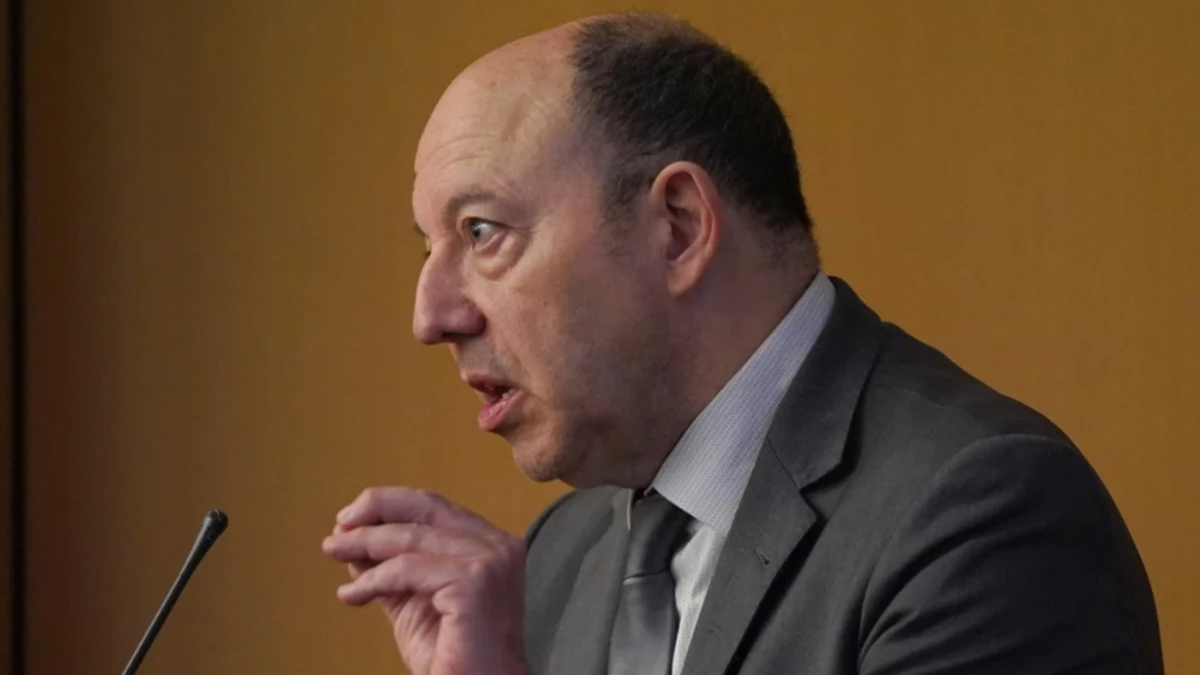
Gonzalo Bernardos, an economics professor, has urged Spanish landlords to leave their properties empty in response to two new housing decrees published by the government.
The University of Barcelona economist said owners should stop letting their flats until legal certainty is restored to the market.

The Official State Gazette has published two new measures. One rule is scheduled to take effect on Thursday, while a second decree mandating the forced extension of rental contracts will begin on November 15.
The decrees will only enter into force if they are approved by the Permanent Deputation of the Congress, the body that acts when the Spanish parliament is dissolved.
Spain is holding a general election on November 29 against the backdrop of a nationwide housing shortage. Protesters continue to camp out in Madrid at the Puerta del Sol square, and various sectors remain unconvinced by the government measures aimed at easing the crisis.
Landlord strike
Bernardos said on social media that the government was attempting to pass the legislation through the back door. He said the changes would harm new tenants, those seeking to renew their contracts, and property owners.
He suggested that a landlord strike would have a true social impact, comparing it to the current rent strike organised by the Tenants Union.
A pause in renting out properties would lead to two main consequences, Bernardos said. Couples finishing their current rental agreements would be forced to move back into their parents' homes, while people looking for a flat would face a prolonged search.
The professor said he did not want this outcome, but suggested it would demonstrate to the country that owners require legal protection. He said that guaranteeing legal certainty for landlords would ultimately benefit the whole of society by increasing the number of available flats.
Under the new regulations, landlords will not be able to recover their property from a vulnerable tenant in the event of non-payment until the rental contract expires.
Rental supply drop
Bernardos argued that landlords currently lack protection under the law and face the risk of losing the benefits of property ownership.
He warned that not being able to reclaim a flat, or having to pay for it, were two potential consequences, adding that leaving properties vacant would highlight that the decrees are a mistake.
The economist said the new measures would harm all groups by placing further stress on the market.
Spain has seen its rental supply fall by 44 percent since 2018, the year Prime Minister Pedro Sanchez arrived at the Moncloa Palace to take office.
Eight years ago, the property portal Idealista listed 902,664 permanent rental homes. By the end of 2025, the number of registered properties had dropped to 510,091.
The lack of supply and surging prices mean many young people are unable to secure accommodation. One young Spanish woman, Alexandra, said she was denied a social housing flat because she was too poor.
The fate of the housing decrees now rests with the Permanent Deputation, before Spanish voters go to the polls next month.