

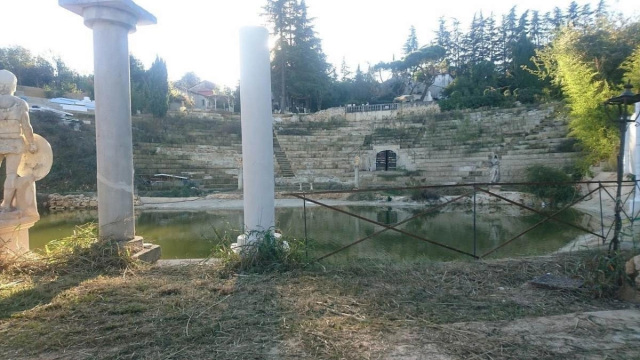
Italian authorities prosecuted Franco Malosso after he constructed a fake Roman theatre in Arcugnano and charged tourists up to 40 euros for entry. Malosso presented the site near Vicenza as a major historical discovery, but investigations revealed it was built using modern materials.
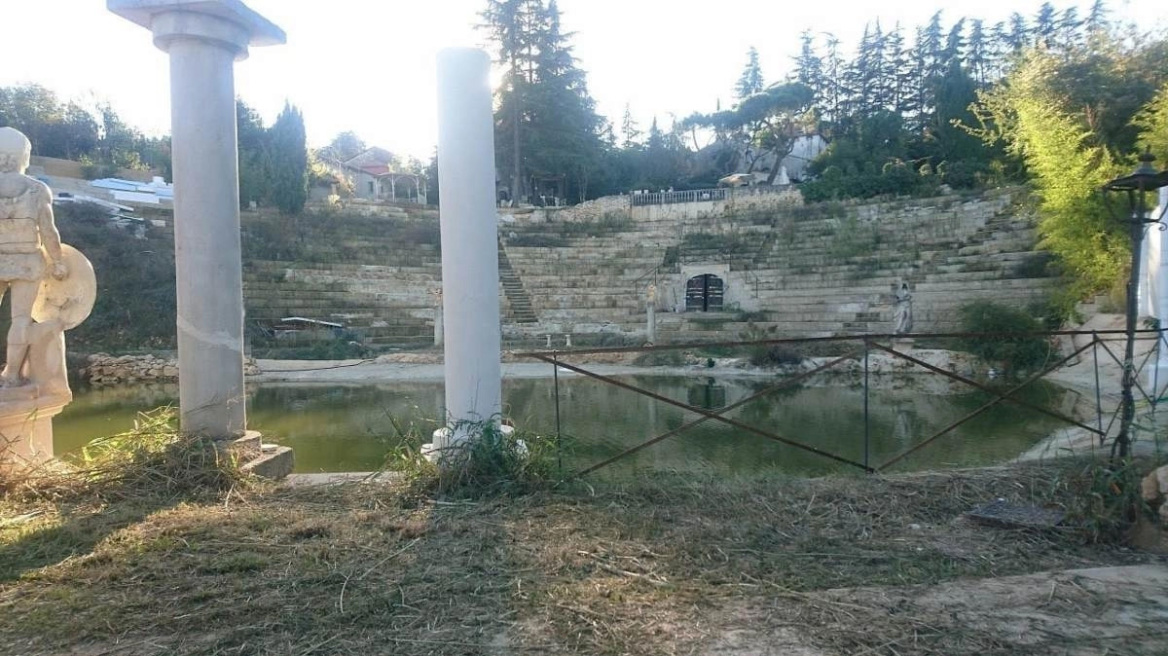
Malosso claimed he discovered the site in 2005 after a landslide uncovered ancient ruins. He called the location the Berico Amphitheater and told visitors its history dated back to 393 AD. Malosso also claimed the site contained historical artifacts spanning from the Neolithic era to ancient Greece and Rome.
Tourists paid up to 40 euros for guided tours of the venue, which featured stone seating, columns, and statues. Malosso reportedly linked the site to Julius Caesar and Cleopatra despite conflicting historical timelines. He also claimed that an ancient local church once hosted Shakespeare's fictional character Juliet Capulet.
Construction materials and satellite evidence
Investigations by Italian authorities established that the venue was a modern construction rather than an ancient monument. Investigators found concrete pillars, modern building supplies, fiberglass, papier-mache, and recently manufactured statues. Malosso had applied patina to the modern materials to give them the appearance of centuries of weathering under the sun and rain. The site also featured an artificial lake.
Satellite imagery of the hill provided crucial evidence against the landslide claims. Comparisons of the terrain before and after the construction showed extensive land shaping and excavation work. Italian authorities noted that these earthworks directly contradicted Malosso's assertion that a natural landslide had exposed the theatre.
Legal proceedings and site status
The Vicenza Prosecutor's Office began investigating the site in 2016. Authorities charged Malosso with forgery of works of art and illegal construction. Following court proceedings and appeals, courts upheld his conviction, sentencing Malosso to two years and four months in prison and ordering the restoration of the site.
Despite court orders issued in 2016, the fake theatre remains standing on the hillside. Removal of the modern structures and full restoration of the land have proven complex and expensive. The sealed site remains on the landscape as a modern artifact of archaeological fraud.


