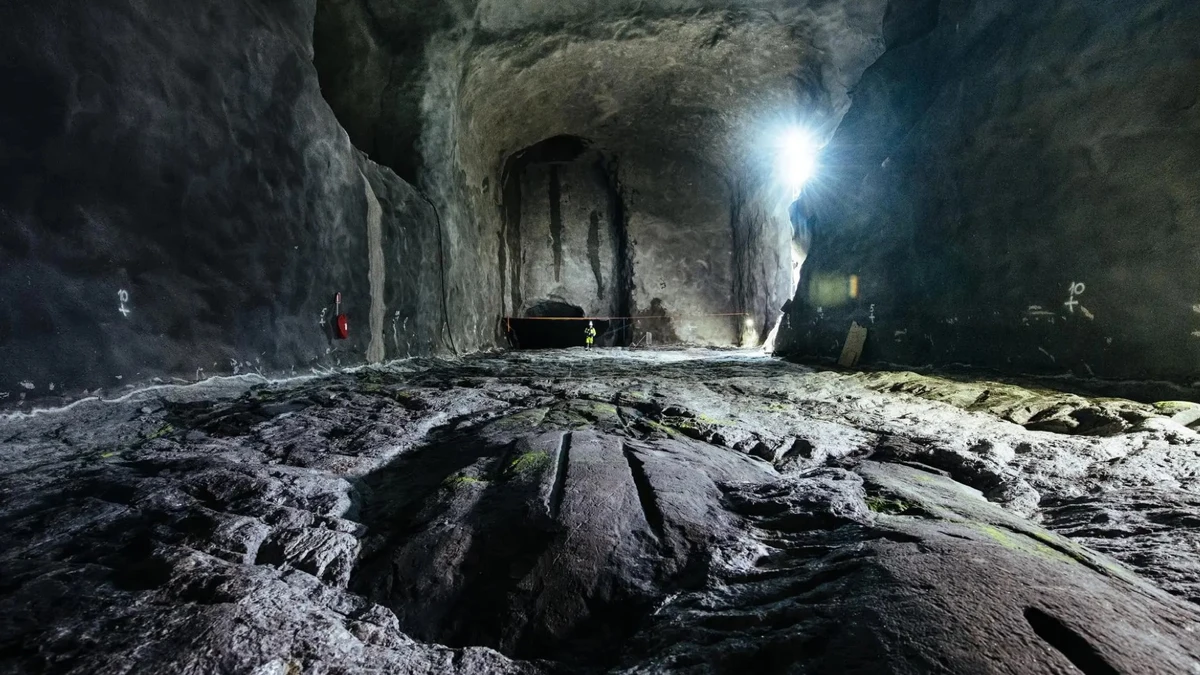
Finland has authorised Onkalo, the world's first permanent repository for spent nuclear fuel, excavated into ancient bedrock in the southwestern municipality of Eurajoki.
Nuclear waste management company Posiva secured the operating licence following 22 years of demanding work since construction began at the underground complex. The total investment in the deep geological project is estimated at 1.16 billion dollars.
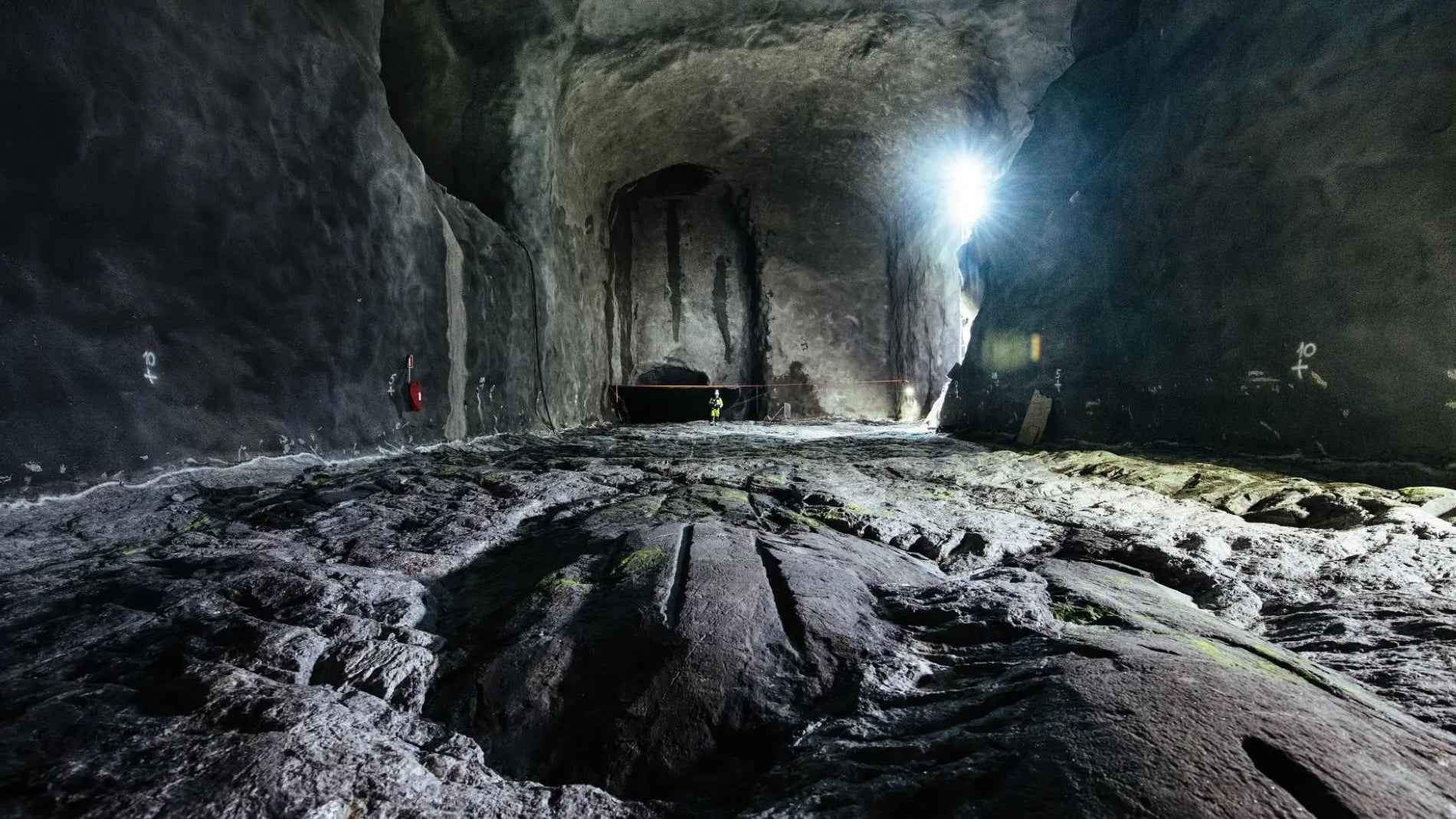
Posiva chief executive Ilkka Poikolainen welcomed the milestone, stating that it marked a great and historic day for both the company and Finland. The facility takes its name from Onkalo, the Finnish word for cave or cavity. Posiva plans to begin operations soon, although officials have not yet announced an exact launch date.
The municipality of Eurajoki sits along the Gulf of Bothnia in western Finland, an area known for hosting nuclear power facilities. Posiva was created as a joint venture between Finnish nuclear energy operators to manage the permanent disposal of highly radioactive waste produced by commercial power generation.
Commissioning and safety oversight
Before radioactive fuel can enter the facility, Posiva must complete a final commissioning phase. The Radiation and Nuclear Safety Authority, known as STUK, will conduct extensive inspections to verify and confirm that the site is fully suitable to store up to 6,500 tonnes of uranium.
STUK is Finland's government watchdog tasked with radiation safety and nuclear oversight. The agency supervises nuclear power plants, radioactive materials, and waste storage facilities to ensure compliance with strict legal and environmental standards. Its final review will evaluate the structural integrity of the rock formations and the reliability of all mechanical transfer systems.
Once approved, Onkalo will provide permanent housing for the spent fuel generated by all five nuclear reactors operating across Finland. Finnish reactors supply a substantial share of the country's electricity, but the resulting high-level radioactive waste requires complete isolation from living organisms until its radioactivity subsides.
The underground storage process
The disposal complex is carved hundreds of metres underground into solid bedrock that dates back 1.9 billion years. Spent fuel assemblies taken from nuclear power plants will be encapsulated inside thick copper canisters specifically manufactured to resist corrosion from subterranean groundwater.
Specialised transport machinery will lower the copper canisters into vertical holes bored into the floors of tunnels excavated through the granite bedrock. Workers will pack bentonite clay around each canister before sealing the tunnels with heavy concrete plugs.
Bentonite clay is a natural mineral material that swells when exposed to water, creating a tight, impermeable seal around the metal container. This swelling buffer protects the copper canisters against physical movement in the surrounding rock while preventing water from penetrating the storage chambers.
The multiple barrier approach relies on nested layers of natural and engineered protection. The ceramic fuel pellets, copper canisters, bentonite clay, concrete bulkheads, and hundreds of metres of stable bedrock work together to ensure that radioactive particles cannot escape into the biosphere.
Radioactive decay and geological timescales
Extreme engineering precision is required because the spent fuel remains hazardous for tens of thousands of years. Scientists calculate that after 100,000 years, radiation from the waste will drop to levels equivalent to the natural uranium ore from which the fuel was originally refined.
Nuclear fission inside a commercial power reactor breaks uranium atoms apart, creating intensely radioactive byproducts alongside transuranic elements such as plutonium. These materials emit dangerous ionising radiation and release thermal decay heat long after they are removed from electricity generation.
Most nuclear waste around the world remains stored on the surface in interim facilities, far from public reach. Freshly discharged fuel bundles are kept in water pools for several years to cool down, after which they are often moved to dry storage casks made of reinforced steel and thick concrete.
Surface storage requires continuous monitoring, active security guards, and constant maintenance against physical degradation. Deep geological disposal eliminates the need for future human management by placing the waste far below surface disruptions, climate shifts, and civil conflict.
International search for permanent disposal
Other countries are actively seeking their own disposal solutions, including Sweden and France, but both remain considerably behind Finland's operational timeline. The Finnish repository represents the first facility anywhere in the world to reach the threshold of active operation.
Sweden has approved plans for a similar repository at Forsmark using copper canisters embedded in crystalline granite, while French nuclear agencies are testing deep geological disposal inside dense clay formations at Bure in eastern France. Both projects remain years away from receiving their first waste canisters.
Around 400 commercial nuclear reactors operate worldwide, producing thousands of tonnes of spent fuel every year without a permanent resting place. The lack of an operating geological repository has fueled environmental opposition to nuclear expansion for more than half a century.
With an investment of 1.16 billion dollars, Onkalo carries enormous expectations as a global test case. Once STUK completes its final verification, the facility will demonstrate whether deep geological repositories can provide a practical, permanent answer to the nuclear industry's oldest environmental challenge.