

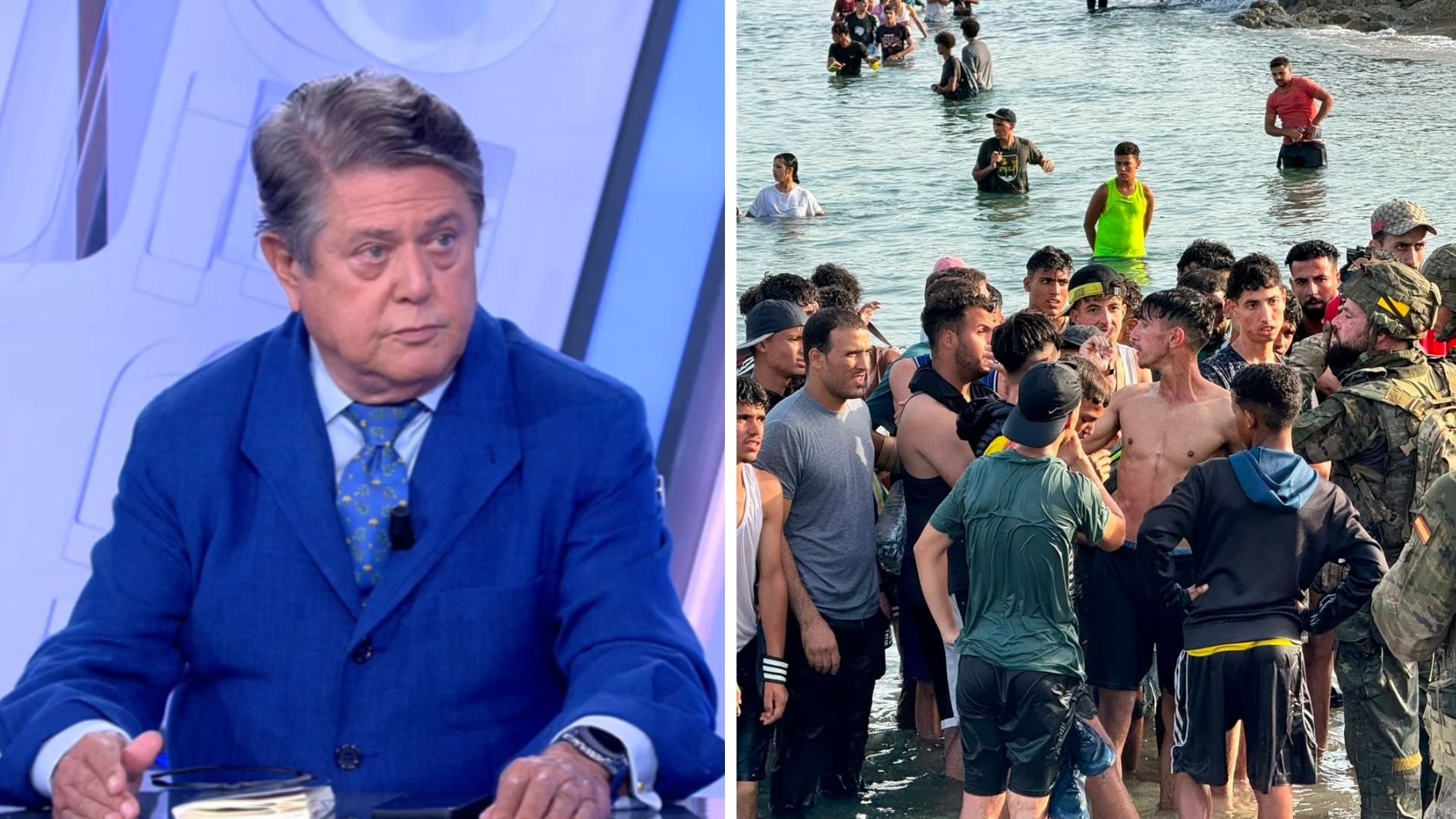
Former Spanish Defence Minister Federico Trillo told television channel TRECE that Morocco would not last 48 hours in a military conflict with Spain.
Speaking on the current affairs program El Cascabel, hosted by José Luis Pérez, Trillo delivered a stark assessment of Spanish national security and criticised the government handling of the border crisis in the North African autonomous city of Ceuta.
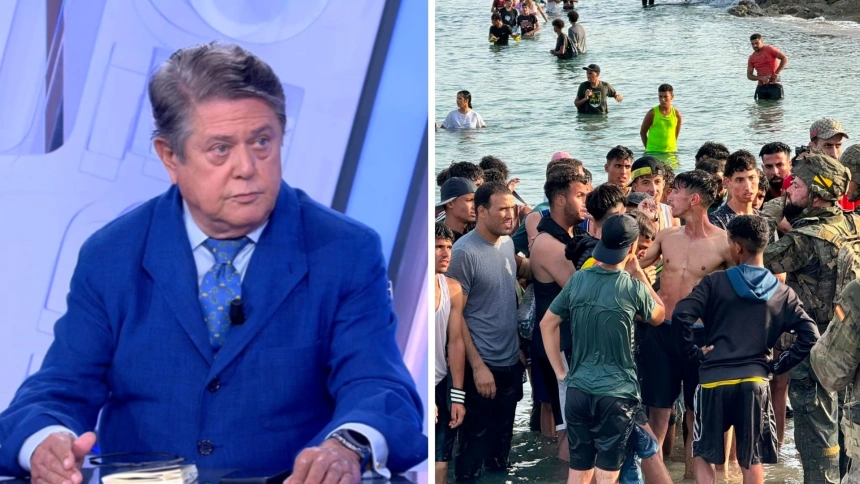
Trillo, who served as defence minister under former Prime Minister José María Aznar from 2000 to 2004, stated that Spain's armed forces possessed overwhelming operational capacity compared to the neighbouring North African kingdom. He claimed that Moroccan forces would not last two days if an armed confrontation broke out between the two nations.
During the broadcast, Trillo revealed for the first time a confidential conversation held between Aznar and the Joint Chiefs of Staff prior to Spain's military operation on Perejil Island in July 2002. He recalled that the Chief of the Defence Staff of the Army, General Pardo de Santayana, told the prime minister that if Spain were Britain, it would have already taken the disputed island by military force. Trillo noted that General Santayana was pointing out how other sovereign nations do not hesitate regarding costs when defending national dignity and territorial integrity.
Call for State of Exception in Ceuta
Turning to the ongoing instability in Ceuta, a Spanish autonomous city situated on the North African coast bordering Morocco, Trillo condemned the lack of protection provided to local residents. He described the central government inaction as a complete abandonment of state responsibilities.
Trillo advocated for immediate legal action to restore public order in the territory. He stated that when the exercise of fundamental rights, democratic institutions, and essential public services are severely disrupted beyond the capacity of ordinary authorities, the government is legally required to seek congressional authorization and declare a formal state of exception.
The former defence chief also addressed the legal limitations facing Spanish soldiers currently deployed on the streets of Ceuta. He pointed out that military personnel lack the formal legal authority of law enforcement officers, leaving them unable to use standard riot control equipment when facing physical attacks.
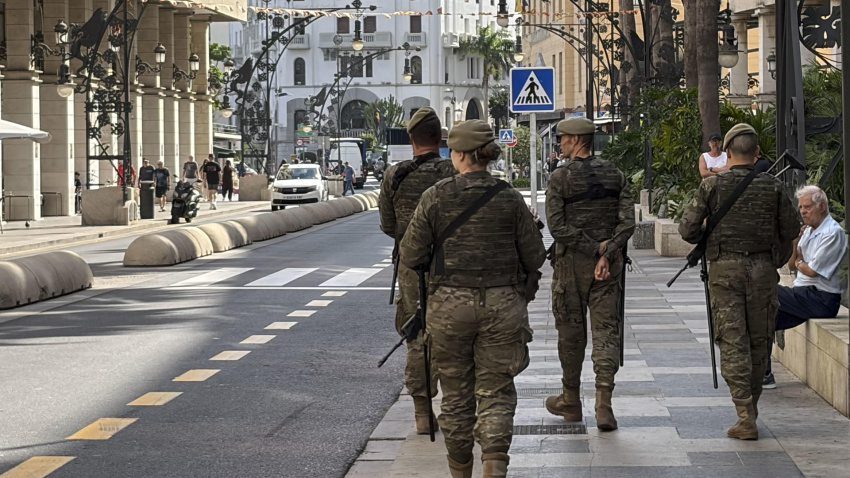
To resolve the operational bottleneck, Trillo proposed using Airbus A400M transport aircraft to immediately airlift NATO high-readiness military police units based in Bétera, near Valencia. He argued that this specialized military police battalion possesses both the legal standing and operational training required to restore public order while protecting frontline troops.
Intelligence Warnings and Border Response
Trillo strongly rejected claims made by Spanish Prime Minister Pedro Sánchez regarding an alleged lack of advance warning prior to the border surge in Ceuta. He stated that government ministers were fully aware of the impending surge days before it occurred.
According to Trillo, detailed advance warning had been provided to La Moncloa by Spain's National Intelligence Centre (CNI), the Armed Forces, and the National Police, as well as through investigative reporting published by local newspaper El Faro de Ceuta.
Historical Sovereignty and the Royal Visit
The former minister also responded forcefully to recent threats made by a former Moroccan senator concerning a potential official visit by King Felipe VI to Ceuta and Melilla. Trillo dismissed the former senator as ignorant of regional history.
To defend Spain's historical rights over the North African enclaves, Trillo cited the 1629 play El Príncipe Constante by Golden Age dramatist Pedro Calderón de la Barca. He emphasized that the sovereign status of Ceuta and Melilla is supported by centuries of continuous Portuguese and Spanish administration.
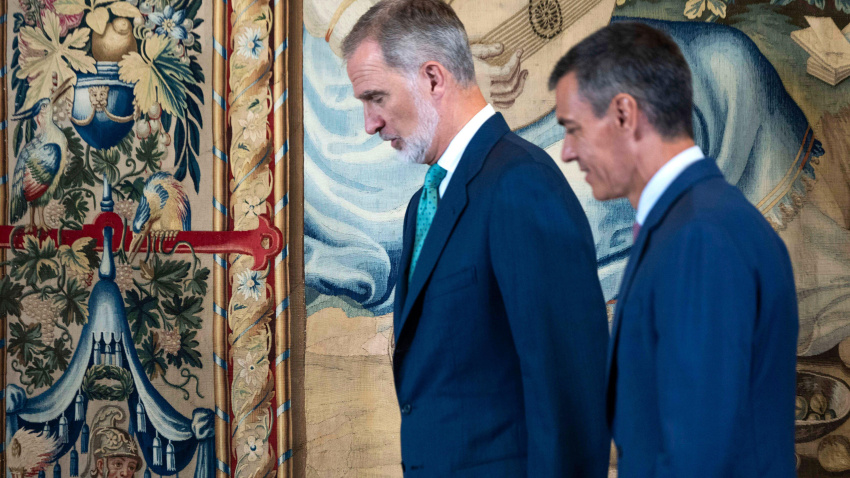
Addressing constitutional protocol, Trillo explained that in a parliamentary monarchy, any travel by the head of state requires formal countersignature from the executive branch, signified by the presence of a cabinet minister or the prime minister. He suggested that an evident rift exists between the Royal Household at Casa Real and the prime minister's office at La Moncloa, pointing to executive meetings lasting up to three hours and the absence of cabinet members from crucial briefings with military command.
Diplomatic Lessons from the Perejil Crisis
Reflecting on past diplomatic conflicts, Trillo recalled his high-level institutional contact with King Mohammed VI of Morocco during the 2002 Perejil Island crisis. He highlighted the diplomatic intervention of the United States, specifically noting the mediation of then US Secretary of State Colin Powell, which helped resolve the military standoff within 48 hours.
Trillo maintained that Spain's decisive stance during the Perejil incident established more than a decade of balanced diplomatic relations with Morocco, proving that firm defense of national sovereignty generates long-term stability.
Concluding his interview, the former minister reflected on broader societal issues, warning of a decline in ethical values and respect for human life stemming from ongoing debates over abortion law. Trillo stressed that the erosion of moral principles cannot be blamed entirely on political leaders, calling instead for deep self-criticism across civil society and democratic institutions.


