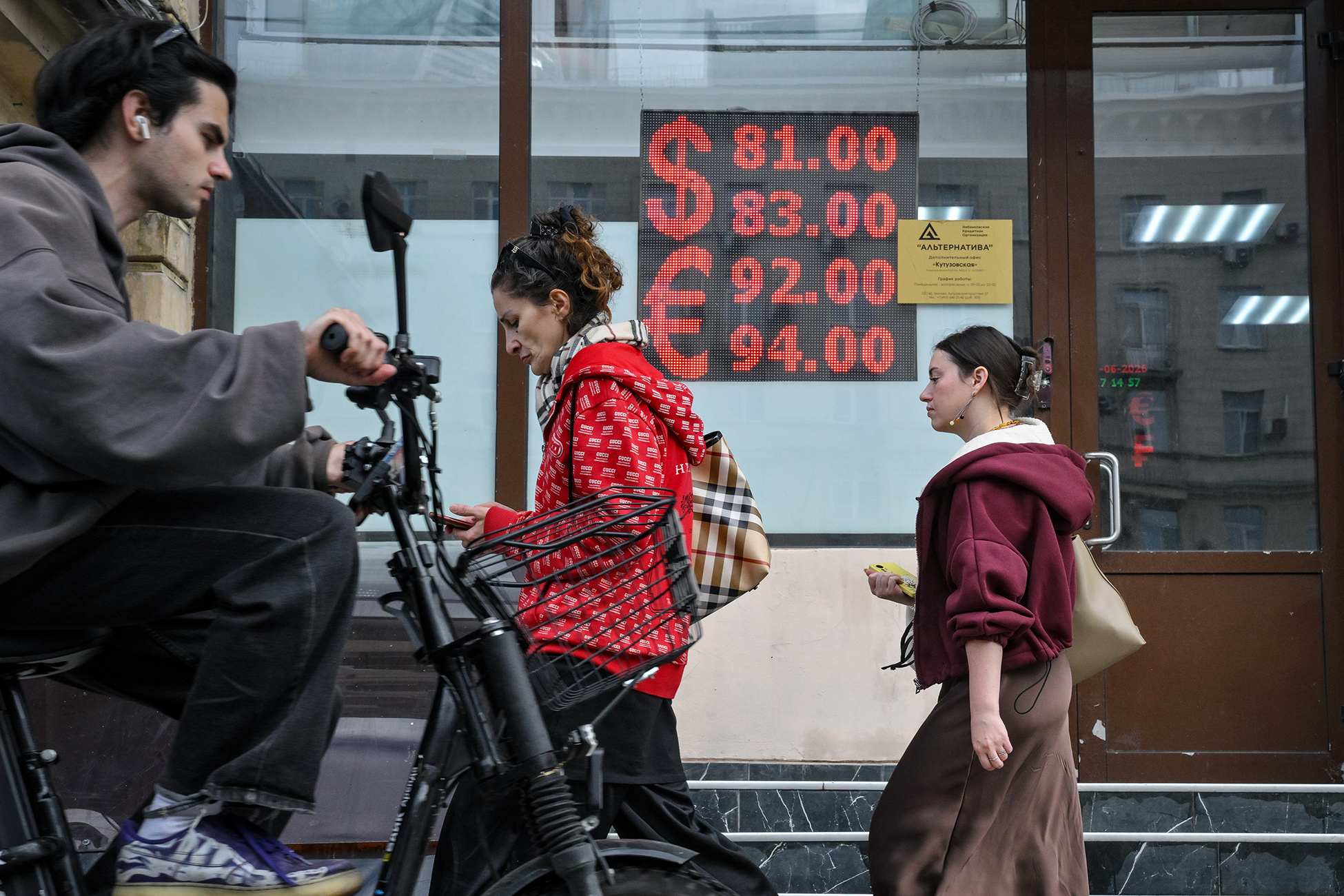
The current weakening of the ruble is a smooth correction rather than a currency shock, according to entrepreneur, fund manager and SharesPro fintech platform founder Denis Astafyev.
Speaking to Lenta.ru, Astafyev said the dollar could settle in a range of 82 to 86 rubles in the coming weeks, and could climb to 85 to 88 rubles if external conditions worsen.
Reasons behind the ruble's slide
Astafyev said the dollar's rise against the ruble is tied not to one factor but to a combination of causes: recovering import demand, weaker support from high interest rates, expectations of further easing by Russia's central bank, and exporters behaving more cautiously in selling foreign currency earnings. He said the movement currently looks less like a currency shock and more like a gradual weakening of the ruble following a period of strong overvaluation.

He said a weaker ruble is partly beneficial for the economy, since it supports budget revenues and exporters whose foreign currency earnings rise in ruble terms. But for the public and businesses, he said, it means a risk of faster inflation through imported goods, appliances, cars, components and foreign travel, with the effect on different parts of the economy running in opposite directions.
Forecast range and key drivers
Astafyev's base forecast puts the dollar in a range of 82 to 86 rubles. He said that if oil prices stay stable and the geopolitical situation does not worsen, a sharp jump above that range is unlikely. But he said that if interest rates fall, imports rise or external conditions deteriorate, the dollar could settle closer to 85 to 88 rubles.
He said the key factors remain the central bank's rate decisions, oil price dynamics, the volume of currency sales by exporters, budget operations and import demand, adding that it is this combination of factors, not any single driver, that will determine which way the exchange rate moves in the coming weeks.
Since the start of summer, the dollar has risen more than 15 percent, exceeding 83 rubles on August 10.