Fundación Nido para Ángeles highlighted the vital role of comprehensive rehabilitation in helping children with cerebral palsy achieve daily independence in Santo Domingo.
The Dominican non-profit organization marked World Cerebral Palsy Day on October 6 by emphasizing that specialized therapeutic intervention helps young patients maximize their physical capabilities and daily autonomy.
Every small milestone represents a major accomplishment for a child living with cerebral palsy. The foundation noted that learning to eat unassisted, holding a spoon, dressing without help, pronouncing a word clearly, or moving with a walker can transform the lives of both children and their families.
Comprehensive therapy approach
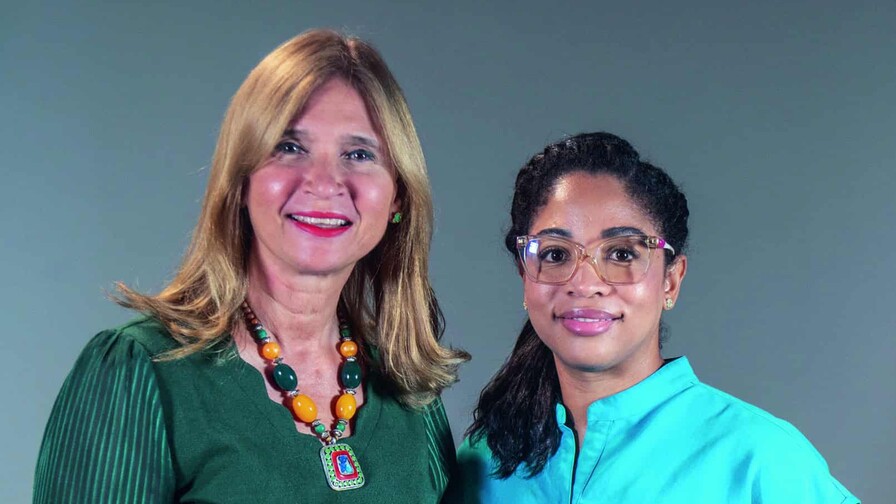
Glennys Carela, a specialist in physical medicine and rehabilitation at the center, explained that effective treatment extends far beyond basic physical therapy. Carela said care at the foundation incorporates respiratory therapy, occupational therapy, aquatic therapy, and multisensory intervention.
Carela said the overarching goal of rehabilitative treatment is to help each child reach the highest possible level of functionality based on their individual abilities. She noted that walking is not the sole objective of treatment, as children who cannot walk can still learn to feed or dress themselves, train for specific activities, or prepare for university education.
Achieving personal independence also reduces the daily burden placed on caregivers and helps children recognize their own potential. Carela stressed that even incremental progress brings immense psychological and practical benefits to families caring for a child with motor impairment.
Early intervention and hospital partnerships
Carela highlighted the critical importance of starting rehabilitation as early as possible, particularly when a newborn exhibits neurobiological risk factors. Fundación Nido para Ángeles operates a dedicated program in coordination with maternity hospitals across the Dominican Republic to identify at-risk infants early.
Under the hospital network initiative, infants with risk factors such as a history of perinatal asphyxia are referred to the center for timely intervention. Physical therapy sessions focus on strengthening mobility, posture, and stability while utilizing orthoses to prevent muscle contractures and structural deformities.
Cerebral palsy is a permanent neurological condition caused by damage to the developing brain before, during, or shortly after birth. Although the brain lesion itself does not worsen over time, targeted rehabilitation works directly on the central nervous system, neuroplasticity, and the musculoskeletal system to maximize patient capabilities.
Support for families and permanent care
Mónika Despradel, president of Fundación Nido para Ángeles, emphasized that society must reframe how it views children with neurological conditions. Despradel said people should not limit children based on assumed disabilities, but rather shift their mindset to recognize what young patients can accomplish.
Because children spend far more time at home with parents than in clinical sessions, therapists provide structured guidance to caregivers so interventions continue daily in the household. Carela explained that rehabilitation has no formal discharge point because cerebral palsy is a lifelong condition rather than a temporary illness.
Carela added that progress and treatment outcomes vary for every patient depending on the specific type and scope of the brain injury. Fundación Nido para Ángeles currently provides free care to approximately 265 children, supported by multidisciplinary teams in medicine, therapy, psychology, social work, and education.
Awareness activities in Santo Domingo
To commemorate World Cerebral Palsy Day, the foundation launched a series of activities centered on defending rights, expanding opportunities, and promoting a dignified life. Despradel stated that the campaign will showcase inspirational stories of youth and adults with cerebral palsy who have achieved academic and professional goals.
The foundation will also host its annual Ángeles sobre ruedas event on October 18 at Parque Iberoamérica in Santo Domingo. The public event will feature 100 wheelchairs navigating a 1,000-meter route divided into four stations to promote inclusion and visibility.
Parque Iberoamérica is a prominent public park and recreational venue in Santo Domingo. The site frequently hosts community gatherings, public health awareness campaigns, and accessibility initiatives in the capital city.