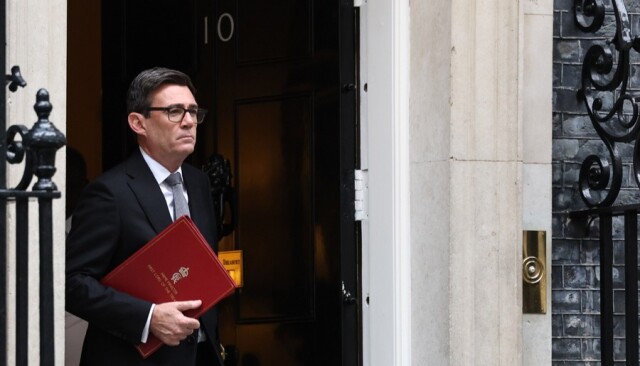
Fifteen young Canadians opened an unprecedented federal court trial against the Canadian government in Vancouver on Monday over alleged state inaction on the climate crisis.
The plaintiffs, aged between 17 and 25, are seeking a court order to compel Canada to strengthen its greenhouse gas emissions reduction plan and meet its official targets.
Five weeks of hearings are scheduled in the lawsuit, known as the La Rose case after one of the young claimants.
Lawyers for the youth argue that federal climate inaction breaches their constitutional rights to life, liberty and security of the person. They contend that the federal state has failed to protect younger generations from the existential threat posed by climate change.
Canada currently aims to reduce greenhouse gas emissions by 40 percent to 45 percent below 2005 levels by 2030. That goal is less ambitious than targets set by other major global economies, and the federal government recently announced that the country will fail to reach it.
Constitutional claims in the La Rose trial
The lawsuit finally reached court after seven years of legal proceedings, and hearings are expected to conclude in late February 2027. Legal teams for the plaintiffs will call scientific researchers, engineers and a paediatrician to give evidence before the judge.
The expert witnesses will outline the specific impacts of global heating on young people, detailing threats to their physical and mental health. The plaintiffs argue that unchecked warming imposes immediate and lasting harm on children and adolescents across the country.
Sadie Vipond, a 19-year-old plaintiff from Calgary in the western province of Alberta, told Agence France-Presse that she wanted to express herself before the court and make her voice heard. She said their future and their rights were worth fighting for.
Catherine Boies Parker, a lawyer representing the youth, pointed out that judicial examination of whether Ottawa is respecting the constitution on climate policy is unprecedented in Canada. She said authorities have traditionally dismissed climate change as a political issue rather than a matter for the justice system.
However, Boies Parker insisted that the case is fundamentally a legal issue. She argued that a court has legitimate authority to act whenever government actions inflict harm on citizens.
Wildfire smoke and personal testimony
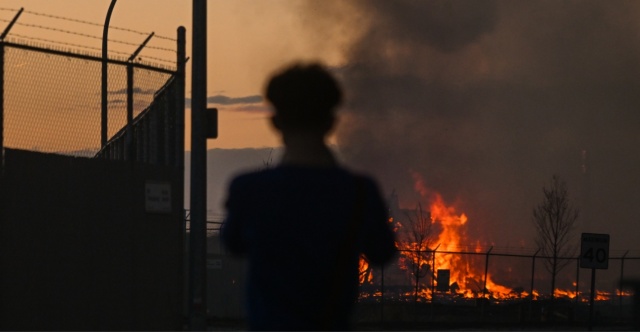
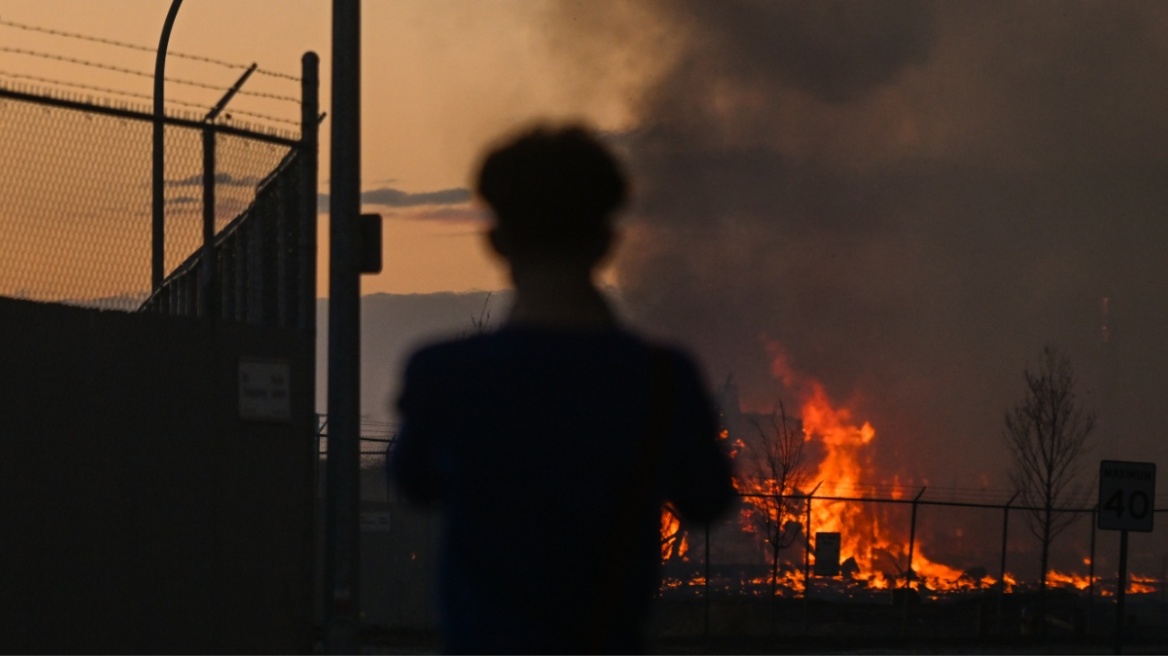
The 15 plaintiffs plan to present firsthand accounts of how climate disruption already affects their daily lives. They will cite the rapid increase in severe wildfires, sudden floods and dangerous heat waves across Canadian provinces.
Lauren Wright, a plaintiff from the central province of Saskatchewan, pointed to the severe fires that hit her home region during childhood. She said she remembered 2015 when northern Saskatchewan was engulfed in flames, adding that the air was suffocating and residents could not breathe.
The court will hear further testimony on how toxic smoke from increasingly intense wildfire seasons has triggered respiratory emergencies and forced northern communities to evacuate their homes.
International legal precedents for youth climate action
The case in Vancouver is part of a growing wave of climate litigation worldwide as young activists turn to the courts to force governments and corporations into action. Similar lawsuits have achieved significant legal victories in countries such as South Korea and the Netherlands.
In Germany, nine youth activists secured a landmark victory in 2021 when the Federal Constitutional Court ruled in their favour. The German court ordered the federal government to tighten its emissions reduction laws, ruling that delayed climate action violated the fundamental rights of future generations.
Maria Antonia Tigre, a legal expert at the Sabin Center for Climate Change Law at Columbia University, said Canadian judges could consider several prominent global precedents. She cited the German ruling and a widely discussed 2025 advisory opinion from the International Court of Justice in The Hague on state obligations to protect the climate for present and future generations.
Energy policy shift under Prime Minister Mark Carney
The Vancouver trial opens against the backdrop of a major policy reversal by Prime Minister Mark Carney, who took office in March 2025. Carney has scrapped multiple signature environmental policies introduced by his predecessor, Justin Trudeau.
The federal government eliminated the consumer carbon tax on individuals and dismantled an emissions cap that applied to the oil and gas sector. Trudeau had championed those measures as the backbone of Canadian climate strategy during his decade in power.
Amid an escalating trade war with the United States, Carney has pushed to fast-track major industrial and energy developments. His administration aims to lessen economic dependence on its southern neighbour, pushing earlier federal emissions targets into the background as the court proceedings begin.