

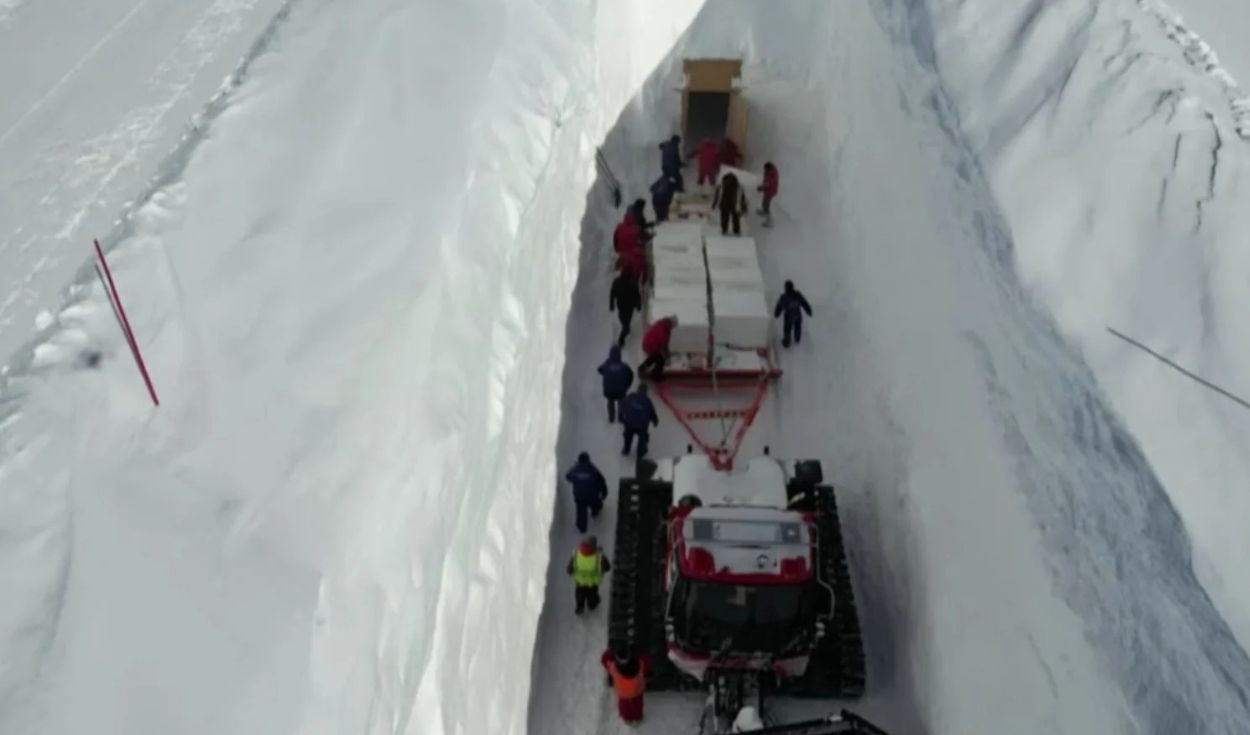
The Ice Memory project is building a subterranean climate sanctuary in Antarctica, storing ice cores extracted from rapidly disappearing glaciers to protect thousands of years of environmental history.
The frozen samples are kept inside a cave excavated directly into the polar ice at an altitude of 3,230 metres above sea level, where temperatures remain near minus 51 degrees Celsius.
Scientists created the remote repository to ensure that future generations of researchers will have access to invaluable atmospheric records before global warming destroys the world's most vulnerable glaciers.
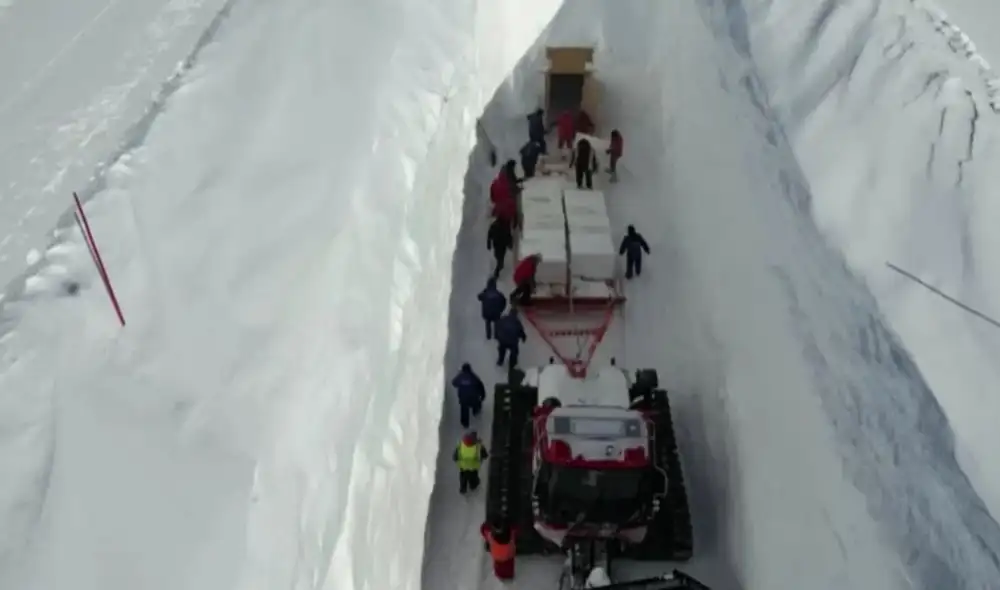
Preserving historical climate archives
Ice cores form naturally over centuries as successive layers of seasonal snow accumulate and compress under their own weight. During this process, microscopic air bubbles, atmospheric particles, and chemical indicators become trapped inside the ice matrix, locking away a physical archive of what the Earth's atmosphere was like during different historical periods.
Global warming presents an immediate threat to these natural archives because rising global temperatures can melt frozen ice layers or cause irreversible physical transformations to their structure. Once melting occurs, the trapped air bubbles escape and the historical record is permanently lost.
To prevent this loss of environmental history, the Ice Memory initiative targets high-altitude and high-latitude glaciers that face imminent transformation or total disappearance in the coming decades, extracting core samples while they remain intact.
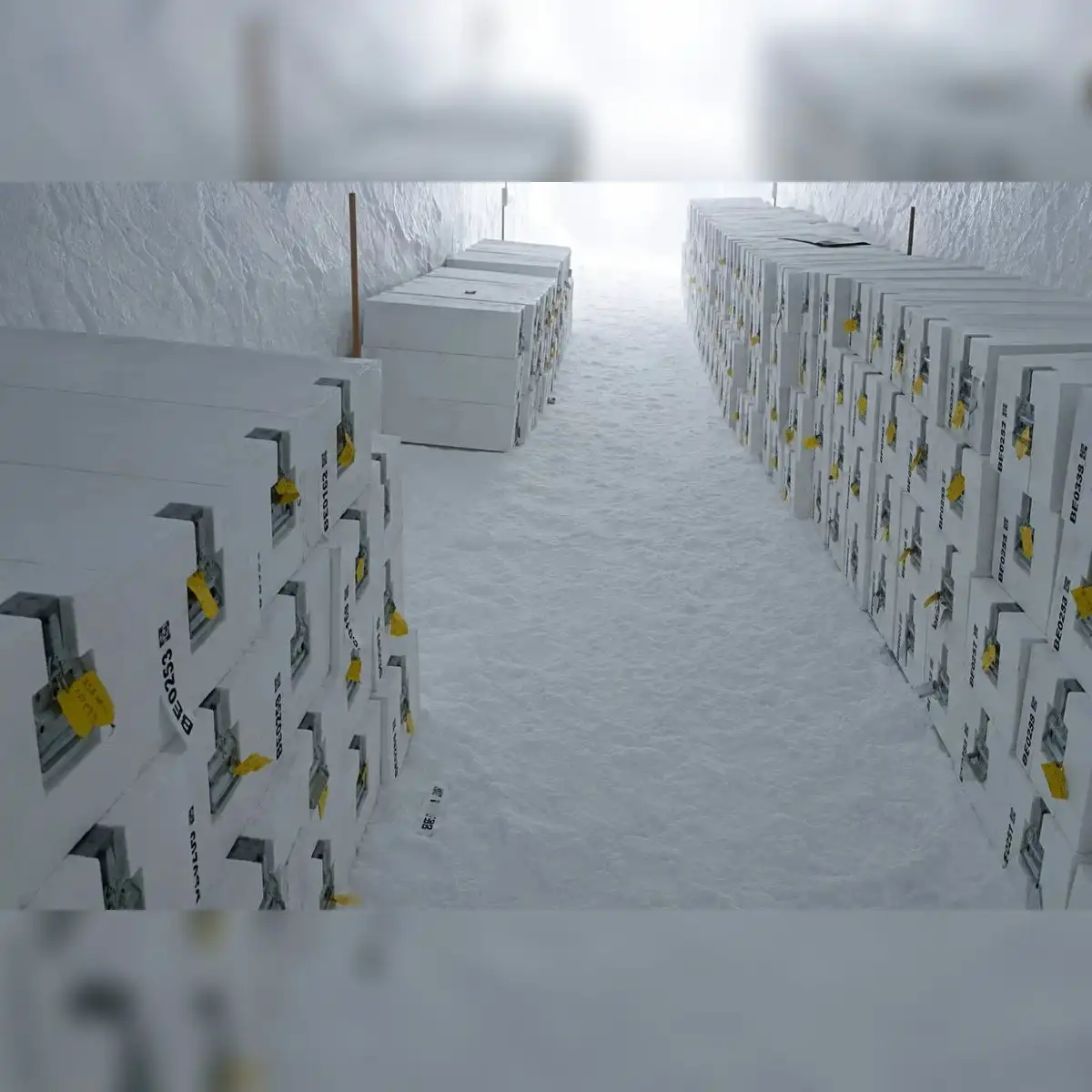
A frozen repository for future science
The Antarctic sanctuary functions as a reliable natural freezer thanks to the continent's extreme polar climate and high elevation. The vault holds ice cores retrieved from alpine glaciers across multiple continents, including the South American Andes, the Arctic archipelago of Svalbard, and the Hindu Kush mountain range spanning Central and South Asia.
Transporting these delicate ice cylinders across vast distances to the remote Antarctic interior requires rigorous cold-chain logistics. Specialized transport teams must keep the samples continuously frozen throughout their journey from remote mountain peaks to the polar facility.
Researchers emphasized that the primary goal is not immediate testing, but long-term conservation for future scientific analysis. Scientists expect that in 50 to 100 years, future generations will possess far more advanced analytical instruments capable of uncovering environmental data in the ice that current technology cannot detect.


